Senior Cat Arthritis: Subtle Signs Owners Miss
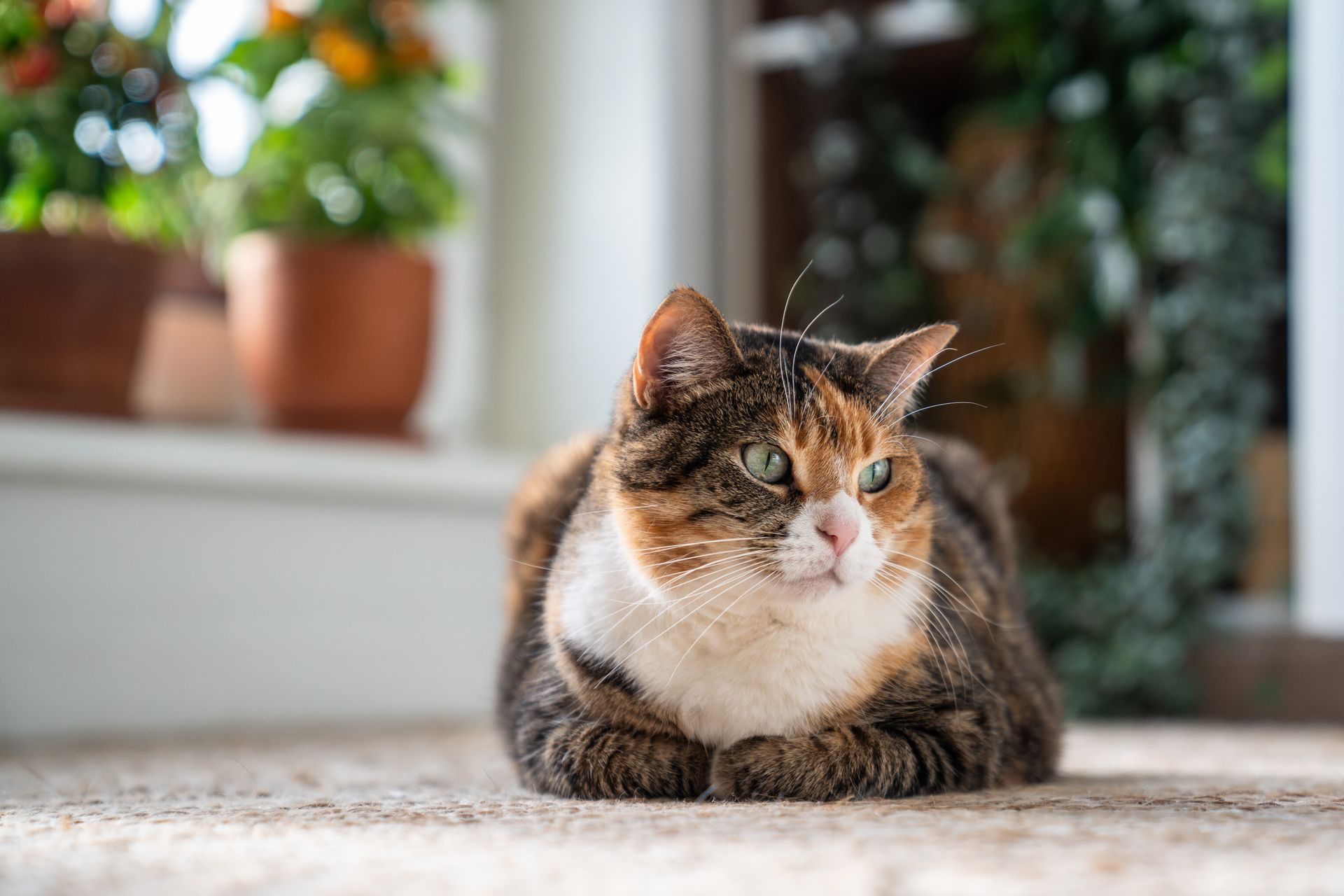
Arthritis is extremely common in older cats, but many cases go unrecognized because cats naturally hide pain. Unlike dogs, cats rarely limp noticeably or cry out when joints become uncomfortable. Instead, the signs are often subtle and gradual.
For many families in Akron, Fairlawn, and Copley, the first clue is simply that their cat seems less active than before. A cat that once jumped easily onto counters or furniture may begin hesitating, sleeping more, or avoiding stairs.
At
Copley Fairlawn Veterinary Clinic, we frequently evaluate senior cats for mobility changes associated with arthritis and degenerative joint disease. Early recognition allows for better long-term comfort and improved quality of life.
Arthritis in Cats Is More Common Than Many Owners Realize
Arthritis develops when joint cartilage gradually wears down, causing inflammation and discomfort during movement.
As cats age, years of jumping and repetitive joint stress can contribute to degenerative changes. Arthritis most commonly affects:
- Hips
- Knees
- Elbows
- Spine
Many senior cats have some degree of arthritis even if they do not show dramatic outward symptoms.
Because the condition develops slowly, owners often mistake the changes for “normal aging.”
Older Cats Often Hide Joint Pain
Cats instinctively hide weakness and discomfort. Instead of obvious limping, arthritic cats usually change their daily habits gradually.
You may notice:
- Jumping less often
- Hesitating before jumping
- Difficulty climbing stairs
- Sleeping more than usual
- Reduced grooming
- Increased irritability
- Hiding more frequently
Some cats become less social simply because movement feels uncomfortable.
Older cats from Akron, Fairlawn, and Copley are commonly evaluated after owners notice subtle behavior changes rather than obvious lameness.
Changes in Grooming Habits
Reduced grooming is one of the most overlooked signs of arthritis in cats.
Cats with spinal or hip discomfort may struggle to twist comfortably while grooming. This often leads to:
- Matted fur
- Greasy coat texture
- Dandruff along the back
- Reduced grooming around the hips
Some cats may also overgroom painful joints due to irritation.
Why Cats Stop Jumping
Many owners first become concerned when a cat stops jumping onto furniture or window ledges.
Jumping requires significant joint flexibility and strength. Cats with arthritis often begin avoiding higher surfaces because landing and climbing become uncomfortable.
Some cats still attempt jumps but appear hesitant or awkward during movement.
This change is frequently mistaken for simple aging when joint pain is actually contributing.
Arthritis Can Affect the Spine
Spinal arthritis is particularly common in senior cats.
Cats with spinal discomfort may appear stiff through the back legs or reluctant to be touched near the lower spine.
You may notice:
- Difficulty getting comfortable
- Stiffness after resting
- Reduced activity
- Less willingness to play
Because these signs progress gradually, they are easy to overlook early on.
How Arthritis in Cats Is Diagnosed
Diagnosis begins with a physical examination and evaluation of mobility.
Your veterinarian may assess:
- Joint flexibility
- Muscle mass
- Pain response
- Walking posture
- Spinal movement
Many arthritic cats also develop muscle loss because they become less active over time.
Digital X-Rays are often recommended to evaluate joint degeneration and confirm arthritic changes.
Radiographs help determine which joints are affected and how advanced the changes appear.
Treatment Options for Senior Cat Arthritis
Arthritis management focuses on improving comfort and preserving mobility.
Treatment plans may include:
- Weight management
- Joint-supportive nutrition
- Pain management medication
- Environmental modifications
- Therapeutic laser treatment
Our Therapeutic Laser services are commonly used to help reduce inflammation and improve mobility in arthritic pets.
Nutritional support may also play an important role in long-term joint health.
Our
Nutritional Counseling services help guide diet recommendations that support healthy body weight and joint function.
Why Weight Management Matters
Even small amounts of excess weight increase stress on arthritic joints.
Cats carrying extra body weight often experience worsening stiffness and reduced mobility over time.
Maintaining a healthy weight is one of the most effective long-term strategies for supporting arthritic cats.
Can Arthritis Be Cured?
Arthritis cannot be reversed completely, but it can often be managed successfully.
The goal of treatment is to:
- Reduce pain
- Improve movement
- Maintain muscle mass
- Preserve quality of life
Many cats remain comfortable for years with appropriate management and regular monitoring.
Routine
Wellness Exams help track mobility changes as cats age.
Frequently Asked Questions
What are the first signs of arthritis in cats?
Early signs often include jumping less, stiffness, sleeping more, reduced grooming, and decreased activity.
Do cats hide arthritis pain?
Yes. Cats commonly mask discomfort, which is why behavior changes are often subtle initially.
Why is my older cat not jumping anymore?
Joint pain, arthritis, muscle loss, or spinal stiffness may make jumping uncomfortable for senior cats.
How is arthritis diagnosed in cats?
Diagnosis typically involves physical examination and radiographs to evaluate joint changes.
Can arthritis in cats be treated?
While arthritis cannot be cured, pain management, weight control, laser therapy, and supportive care often improve comfort significantly.
Schedule a Senior Mobility Evaluation
If your cat is jumping less, moving more slowly, or showing changes in grooming or activity, evaluation can help determine whether arthritis may be contributing.
Call Copley Fairlawn Veterinary Clinic at (234) 400-PETS to schedule an examination.
We provide senior cat wellness care, imaging, and arthritis management for cats in Akron and serve families from Fairlawn and Copley.
Early intervention often improves long-term mobility and quality of life for aging cats.


Introducing Vello
A Better Way to Stay Connected

Scan the QR code or use the portal login link below to get started.
SHARE THIS