Why Is My Dog Drinking So Much Water?
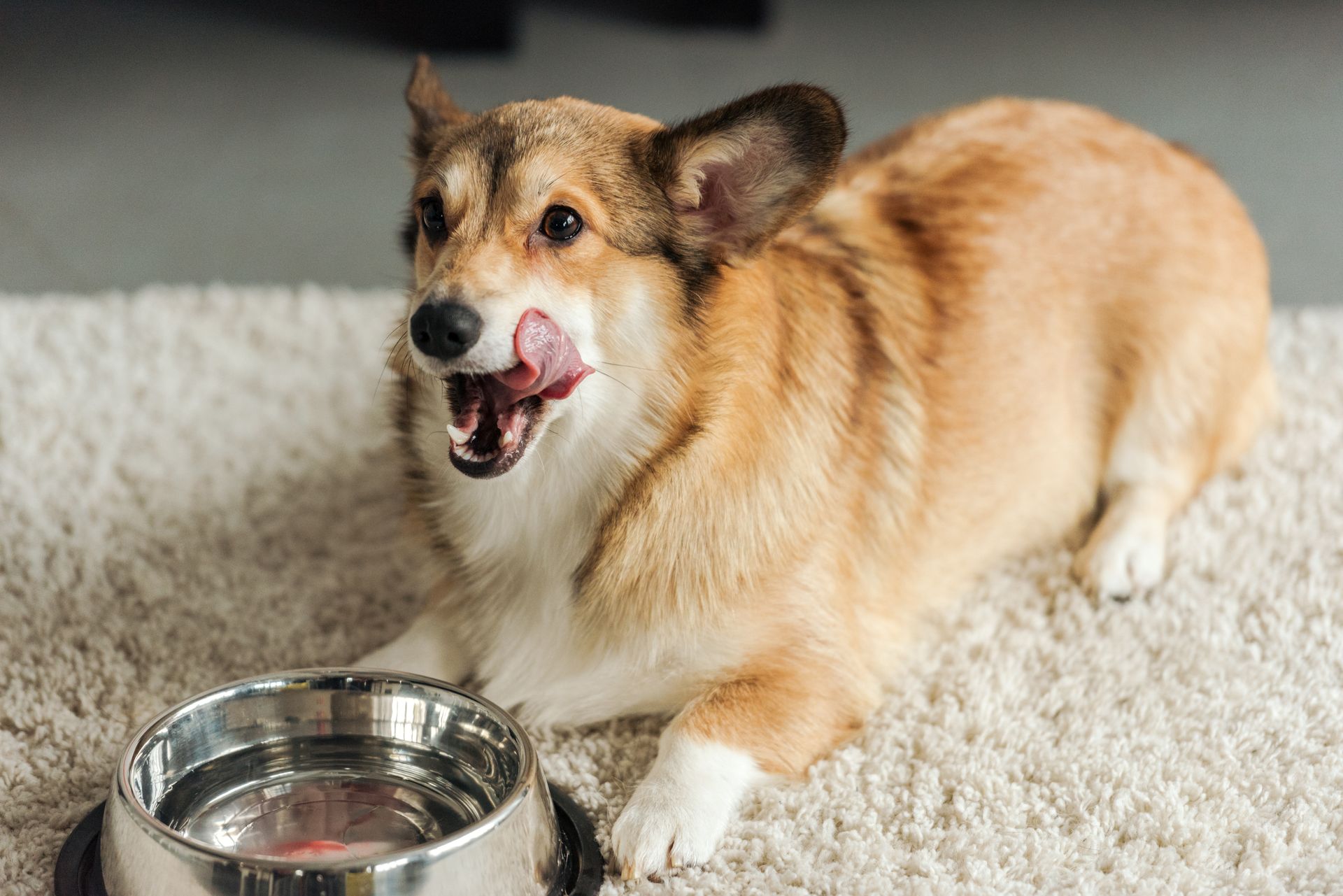
Most dogs drink more water occasionally after exercise, warmer weather, or increased activity. However, when excessive thirst becomes persistent or noticeable, it may indicate an underlying medical condition that should not be ignored.
If you find yourself refilling the water bowl more often or noticing your dog waking overnight to drink, it is reasonable to wonder whether something more serious could be happening.
For many families in Akron, Fairlawn, Copley, and surrounding areas, increased thirst is one of the earliest signs of chronic disease. At Copley Fairlawn Veterinary Clinic, we commonly evaluate excessive water intake because it can provide important clues about kidney function, blood sugar regulation, hormone balance, and overall health.
Understanding what causes increased thirst helps determine when veterinary evaluation is appropriate.
What Counts as Excessive Thirst in Dogs?
Dogs naturally vary in how much water they drink. Activity level, diet, age, and weather all affect hydration needs.
However, excessive thirst generally means your dog is consistently drinking more than usual over several days.
You may notice:
- Empty water bowls more quickly
- More frequent urination
- Waking overnight to drink
- Increased accidents in the house
- Constant interest in water
In some cases, owners notice increased urination before they recognize increased drinking.
When these changes persist, diagnostic evaluation is recommended.
Diabetes Mellitus
One of the most common medical causes of excessive thirst in dogs is diabetes mellitus.
Diabetes occurs when the body cannot properly regulate blood sugar. Excess glucose spills into the urine and pulls water with it, causing increased urination and dehydration.
Dogs with diabetes often drink significantly more water to compensate.
Additional signs may include:
- Increased appetite
- Weight loss
- Lethargy
- Cloudy eyes from cataracts
Bloodwork and urinalysis help confirm diagnosis.
Early diagnosis allows treatment to begin before complications progress.
Kidney Disease
Kidney disease is another major cause of increased thirst.
The kidneys regulate hydration and filter waste products from the bloodstream. When kidney function declines, dogs lose the ability to concentrate urine effectively.
As a result, they produce larger amounts of dilute urine and drink more water to maintain hydration.
Early kidney disease may cause only subtle symptoms, making routine testing especially important in older dogs.
Our
Onsite Diagnostics services help identify kidney changes before severe illness develops.
Cushing’s Disease
Cushing’s disease occurs when the body produces excessive cortisol.
Dogs with Cushing’s commonly experience:
- Increased thirst
- Increased urination
- Increased appetite
- Panting
- Hair thinning
- Abdominal enlargement
Because symptoms often develop gradually, owners may initially assume changes are simply related to aging.
Hormone testing and bloodwork are typically needed for diagnosis.
Urinary Tract Infection
Increased thirst and urination may also occur with urinary tract infections.
Dogs with UTIs may ask to go outside more frequently or have accidents indoors.
Additional signs can include:
- Straining to urinate
- Bloody urine
- Discomfort during urination
Urinalysis helps determine whether infection is present.
Liver Disease and Other Conditions
Liver disease, certain medications, electrolyte imbalances, and some infections can also increase water intake.
Steroid medications, for example, commonly cause increased thirst as a side effect.
Because many different conditions produce similar symptoms, laboratory testing is often necessary to identify the underlying cause accurately.
Why Diagnostics Matter
When owners search “why is my dog drinking so much water,” there is no single answer that applies to every dog.
A physical examination alone often cannot determine the exact cause.
Diagnostic testing may include:
- Bloodwork
- Urinalysis
- Blood glucose testing
- Kidney and liver evaluation
- Hormone testing
These tests help identify whether excessive thirst is related to chronic disease, infection, or metabolic imbalance.
Routine Wellness Exams are especially important because they help detect disease before more severe symptoms appear.
When Should You Be Concerned?
Veterinary evaluation is recommended if increased thirst occurs alongside:
- Increased urination
- Weight loss
- Vomiting
- Reduced appetite
- Lethargy
- Accidents in the house
Puppies and highly active dogs may naturally drink more water at times, but sudden or persistent changes should still be evaluated.
If your dog seems unable to stop drinking or appears ill, prompt assessment is important.
How Excessive Thirst Is Evaluated
Evaluation begins with a physical examination and discussion of drinking habits, appetite, medications, and urination patterns.
Bloodwork and urinalysis are commonly recommended to evaluate organ function and hydration status.
Additional diagnostics may be advised depending on initial findings.
The goal is to identify the cause early and create a treatment plan before complications develop.
Can Excessive Thirst Be Treated?
Yes, in many cases.
Treatment depends on the underlying condition.
For example:
- Diabetes may require insulin therapy
- Kidney disease may benefit from dietary management and fluids
- Infections may require antibiotics
- Hormonal disease may require medication
Early intervention often improves long-term management and quality of life.
Our Chronic Disease Management services help monitor and support dogs with ongoing medical conditions.
Frequently Asked Questions
Why is my dog suddenly drinking so much water?
Sudden excessive thirst can occur with diabetes, kidney disease, infection, hormonal disorders, or medication side effects. Persistent changes should be evaluated.
How much water is too much for a dog?
Water needs vary by size and activity level, but consistently drinking far more than usual may indicate an underlying medical condition.
Can diabetes make dogs thirsty?
Yes. Diabetes commonly causes excessive thirst and increased urination due to elevated blood sugar levels.
Why is my older dog drinking more water than usual?
Senior dogs are at increased risk for kidney disease, diabetes, and Cushing’s disease, all of which may increase thirst.
Should I limit my dog’s water intake?
Leptospirosis is zoonotic, meaning it can be transmitted to humans. Veterinary management and hygiene reduce risk.
Schedule a Vaccine Consultation
If you are unsure whether your dog should receive the leptospirosis vaccine, we can review your pet’s lifestyle and risk factors.
Call Copley Fairlawn Veterinary Clinic at (234) 400-PETS to schedule a wellness visit. We provide preventive care and vaccination services for dogs in Akron and serve families from Fairlawn and Copley.
Making informed vaccine decisions supports long-term health and protection.

Introducing Vello
A Better Way to Stay Connected

Scan the QR code or use the portal login link below to get started.
SHARE THIS