Dog Constipation: Signs Your Dog Needs Veterinary Care
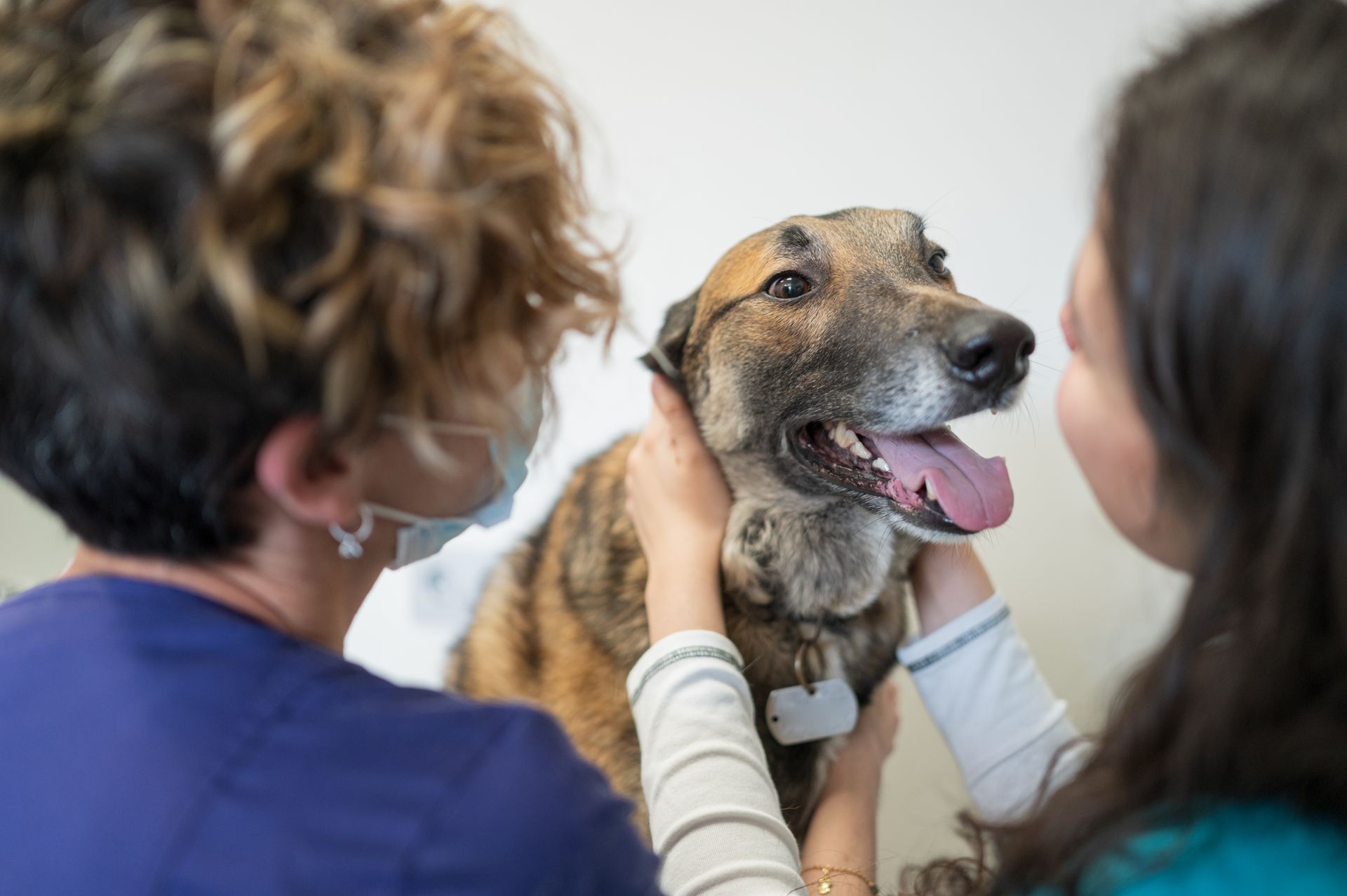
Dog constipation can be uncomfortable and sometimes concerning. If your dog is straining to poop, passing small hard stools, or not pooping at all, it is important to watch closely and determine whether veterinary care is needed.
Mild constipation may happen occasionally after diet changes, dehydration, reduced activity, or eating something unusual. However, persistent straining or the inability to pass stool can indicate a more serious problem, including pain, obstruction, dehydration, or underlying disease.
For families in Akron, Fairlawn, and Copley, constipation is a common reason for veterinary visits. At
Copley Fairlawn Veterinary Clinic, we evaluate constipation by looking at your dog’s hydration, abdomen, stool history, diet, medications, and overall comfort.
What Dog Constipation Looks Like
A constipated dog may strain repeatedly with little or no stool passed. When stool does come out, it may be dry, firm, small, or pebble-like.
Some dogs posture as if they need to go but produce very little. Others seem uncomfortable, circle repeatedly, or avoid food. A dog may also appear bloated or sensitive when the abdomen is touched.
It is important to distinguish constipation from diarrhea. Dogs with diarrhea may also strain frequently, but the treatment approach is different. If you are unsure what your dog is passing, an exam can help clarify the cause.
Common Causes of Constipation in Dogs
Constipation can develop for many reasons. Dehydration is common, especially if a dog is not drinking well or has been active in warm weather. Diet changes, low fiber intake, reduced exercise, or eating bones, hair, fabric, or other material may also contribute.
Some medications can slow intestinal movement. Painful orthopedic problems or arthritis can make it difficult for older dogs to posture comfortably. Prostate enlargement in male dogs, pelvic injury, anal gland discomfort, neurologic disease, or masses may also affect stool passage.
Because the causes vary, recurring constipation should not be managed with repeated home remedies without veterinary guidance.
Dog Straining to Poop: When It Is Urgent
Straining should be taken seriously when it is persistent, painful, or unproductive.
Call a veterinarian if your dog has not passed stool for more than a day or two, is repeatedly straining, seems painful, vomits, becomes lethargic, refuses food, or has a swollen abdomen.
If your dog is trying to defecate but nothing comes out and they appear weak, uncomfortable, or distressed, evaluation should not wait.
Straining can also be confused with urinary difficulty, especially in male dogs. A dog that is trying to urinate but cannot produce urine may have an urgent urinary problem rather than constipation.
Could It Be a Bowel Blockage?
A bowel blockage occurs when something prevents normal movement through the intestines. This may happen if a dog swallows a toy, bone, fabric, corn cob, or other object.
Dog bowel blockage symptoms may include vomiting, loss of appetite, abdominal pain, lethargy, bloating, and little or no stool production.
Constipation and obstruction can look similar at home, but obstruction is more serious and may require urgent treatment. If your dog has a history of eating objects or has vomiting along with straining, veterinary care is recommended promptly.
Our
Emergency Vet services are available when symptoms appear sudden, painful, or severe.
What a Veterinary Exam May Include
Evaluation begins with a physical examination. Your veterinarian will assess hydration, abdominal comfort, rectal area, temperature, and overall condition.
A rectal exam may be recommended to evaluate stool presence, anal gland issues, masses, or discomfort.
If constipation is recurring or severe, testing may be needed to look for underlying causes. Bloodwork may help assess hydration, kidney function, electrolytes, and metabolic health.
Our Onsite Diagnostics services help evaluate whether constipation is connected to dehydration, systemic illness, or another medical issue.
Why X-Rays May Be Recommended
Digital X-rays can help determine how much stool is present and whether there may be an obstruction, mass, abnormal gas pattern, or foreign material.
X-rays are especially useful when a dog is painful, bloated, vomiting, or not improving with initial care.
Our
Digital X-Rays services allow us to evaluate abdominal concerns and guide appropriate treatment.
Treatment Options for Dog Constipation
Treatment depends on the cause and severity.
Mild cases may involve hydration support, diet adjustment, stool-softening medication, or increased fiber when appropriate. More significant constipation may require enemas or additional medical treatment.
Do not give human laxatives, enemas, or oils unless directed by a veterinarian. Some products can be unsafe for dogs or may worsen certain conditions.
If obstruction is suspected, treatment may require hospitalization, imaging, fluids, or surgery depending on the findings.
Preventing Recurring Constipation
Prevention depends on identifying the cause.
For some dogs, consistent hydration, regular exercise, and an appropriate diet help maintain normal stool quality. Older dogs may need pain management or mobility support if arthritis makes posture difficult.
Routine
Wellness Exams
help identify chronic issues that may contribute to constipation, including pain, dehydration, metabolic disease, or medication effects.
Frequently Asked Questions
How do I know if my dog is constipated?
A constipated dog may strain repeatedly, pass small hard stools, produce no stool, seem uncomfortable, or have a reduced appetite. Persistent signs should be evaluated.
How long can a dog go without pooping?
Some variation is normal, but if your dog has not pooped for more than 24 to 48 hours or seems uncomfortable, veterinary guidance is recommended.
Can constipation be a sign of blockage?
Yes. Straining, no stool, vomiting, abdominal pain, bloating, or appetite loss may suggest obstruction and should be evaluated promptly.
What can I give my dog for constipation?
Do not give human medications or enemas without veterinary direction. Treatment depends on the cause, hydration status, and whether obstruction is possible.
When should I take my dog to the vet for constipation?
Schedule care if constipation persists, your dog is painful, vomiting, lethargic, not eating, bloated, or repeatedly straining without producing stool.
Schedule an Exam for Dog Constipation
If your dog is straining to poop, not passing stool, or showing signs of discomfort, an exam can help determine whether constipation, obstruction, pain, or another condition is involved.
Call Copley Fairlawn Veterinary Clinic at (234) 400-PETS to schedule an examination.
We provide diagnostic evaluation, digital X-rays, wellness care, and urgent support for dogs in Akron and serve families from Fairlawn and Copley.
Early evaluation helps relieve discomfort and prevents more serious digestive problems from progressing.

Introducing Vello
A Better Way to Stay Connected

Scan the QR code or use the portal login link below to get started.
SHARE THIS