Why Is My Dog Panting So Much? Normal vs Emergency Signs
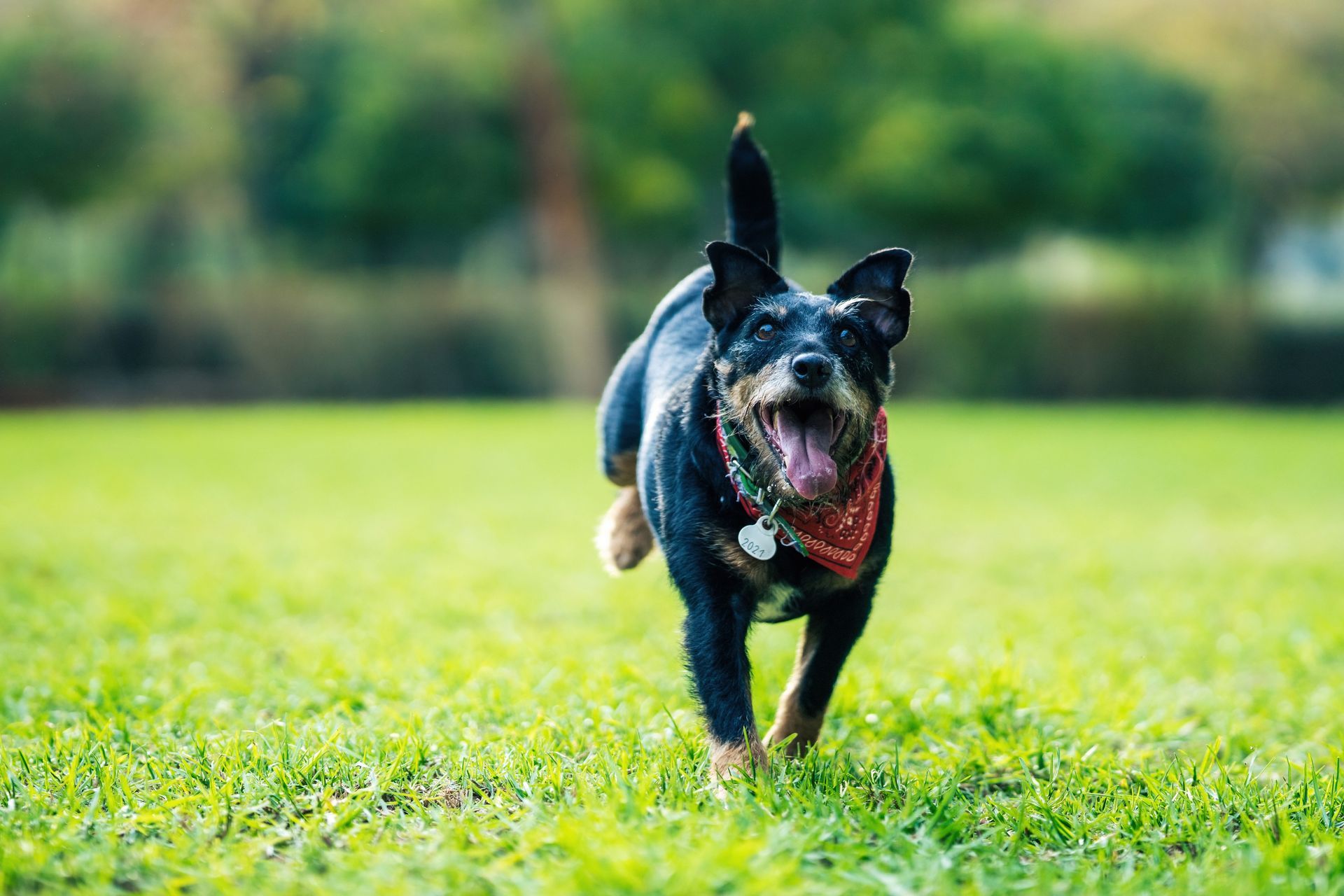
Panting is a normal behavior in dogs, especially after exercise, excitement, or exposure to warm temperatures. Dogs rely on panting to regulate body temperature because they do not sweat the same way people do.
However, excessive or unusual panting can sometimes signal an underlying medical problem.
For many families in Akron, Fairlawn, and Copley, sudden changes in panting behavior raise understandable concern, particularly during humid Ohio summers or after outdoor activity. At Copley Fairlawn Veterinary Clinic, we evaluate dogs experiencing abnormal panting patterns to determine whether the cause is environmental, behavioral, or medically significant.
Understanding when panting is expected and when it may indicate an emergency can help guide appropriate decisions.
When Panting Is Normal
Normal panting typically occurs after:
- Exercise
- Excitement
- Car rides
- Warm weather
- Play activity
In healthy dogs, breathing gradually returns to normal after the dog cools down or relaxes.
Normal panting should not appear labored or distressed. Your dog should still be alert, responsive, and comfortable.
Some breeds naturally pant more than others, especially brachycephalic breeds such as Bulldogs, Pugs, and French Bulldogs.
When Panting Becomes Concerning
Panting may be abnormal when it:
- Occurs at rest
- Appears excessive for the situation
- Starts suddenly without explanation
- Continues for prolonged periods
- Is accompanied by weakness or lethargy
Owners often notice that something feels different from their dog’s normal behavior.
Heavy panting combined with pacing, anxiety, collapse, coughing, or pale gums warrants closer evaluation.
Heat Stress and Overheating
One of the most common causes of excessive panting during warmer months is overheating.
Ohio summers can become humid quickly, especially during outdoor walks or activities. Dogs cool themselves less efficiently than humans, making them vulnerable to heat stress.
Signs of overheating may include:
- Heavy panting
- Drooling
- Bright red gums
- Weakness
- Vomiting
- Disorientation
Severe heat stroke can become life threatening.
Dogs left in parked vehicles are at particularly high risk because interior temperatures rise rapidly, even with windows cracked.
Pain and Discomfort
Pain is another common reason dogs pant excessively.
Dogs experiencing abdominal pain, orthopedic injury, arthritis flare-ups, or spinal discomfort may pant heavily even while resting.
Older dogs sometimes begin panting more due to chronic pain associated with arthritis or degenerative disease.
If panting appears unrelated to temperature or exercise, discomfort may be contributing.
Anxiety and Stress
Stress and anxiety can also increase respiratory rate.
Some dogs pant excessively during:
- Thunderstorms
- Fireworks
- Car rides
- Veterinary visits
- Separation anxiety episodes
Stress-related panting often improves once the trigger resolves.
However, because anxiety and medical problems may appear similar initially, persistent symptoms should still be evaluated.
Heart and Lung Disease
Panting can sometimes indicate underlying heart or respiratory disease.
Dogs with heart disease may pant more because the body is compensating for reduced circulation or fluid accumulation.
Respiratory disease affecting the lungs or airways may also increase breathing effort.
Signs that may suggest a more serious issue include:
- Panting while resting
- Coughing
- Exercise intolerance
- Rapid breathing during sleep
- Weakness
- Blue or pale gums
Diagnostic imaging such as
Digital X-Rays and
Ultrasound/Echocardiogram evaluation may be recommended if heart or lung disease is suspected.
Why Older Dogs May Pant More
Senior dogs commonly pant more due to multiple overlapping factors.
Chronic arthritis, heart disease, cognitive changes, endocrine disease, or reduced respiratory efficiency may all contribute.
If an older dog develops new or worsening panting, evaluation is appropriate even if symptoms appear mild initially.
Families throughout Akron, Fairlawn, and Copley frequently bring senior dogs in for evaluation after noticing subtle breathing or behavior changes at home.
Dog Panting at Night
Panting that occurs mainly at night can sometimes indicate discomfort or underlying illness.
Dogs may pant at night because of:
- Pain
- Anxiety
- Heart disease
- Respiratory problems
- Cognitive dysfunction in older dogs
If nighttime panting becomes persistent or interferes with rest, veterinary assessment is recommended.
How Excessive Panting Is Evaluated
Evaluation begins with a physical examination and review of your dog’s recent activity, environment, and medical history.
Your veterinarian may assess:
- Respiratory rate and effort
- Heart rate
- Gum color
- Temperature
- Lung sounds
Depending on findings, additional diagnostics may include:
- Bloodwork
- Chest radiographs
- Cardiac imaging
- Oxygen monitoring
Our
Onsite Diagnostics services help identify underlying disease efficiently so treatment decisions can be made promptly.
When Panting Requires Emergency Care
Emergency evaluation is recommended if panting is accompanied by:
- Collapse
- Blue or pale gums
- Weakness
- Severe lethargy
- Difficulty breathing
- Abdominal swelling
- Persistent vomiting
If your dog appears distressed or unable to settle comfortably, prompt evaluation is safest.
Frequently Asked Questions
Why is my dog panting so much while resting?
Panting at rest may indicate pain, overheating, anxiety, respiratory disease, or heart problems.
Is panting normal in older dogs?
Some increase in panting can occur with age, but new or excessive panting should be evaluated.
When should I worry about dog panting?
Heavy panting with weakness, coughing, pale gums, collapse, or breathing difficulty requires veterinary attention.
Can anxiety cause excessive panting?
Yes. Stress and anxiety commonly increase panting, especially during storms, travel, or stressful situations.
Why is my dog panting at night?
Nighttime panting may be associated with pain, anxiety, heart disease, or respiratory problems.
Schedule an Evaluation
If your dog is panting excessively, breathing heavily at rest, or showing other concerning symptoms, evaluation can help determine the underlying cause before the condition worsens.
Call Copley Fairlawn Veterinary Clinic at (234) 400-PETS for guidance.
We provide emergency and diagnostic care for dogs in Akron and serve families from Fairlawn and Copley.
Early assessment allows heat-related illness, pain, cardiac disease, and respiratory conditions to be identified and treated appropriately.

Introducing Vello
A Better Way to Stay Connected

Scan the QR code or use the portal login link below to get started.
SHARE THIS