Why Is My Cat Drooling? Dental Pain, Nausea, or Emergency Signs
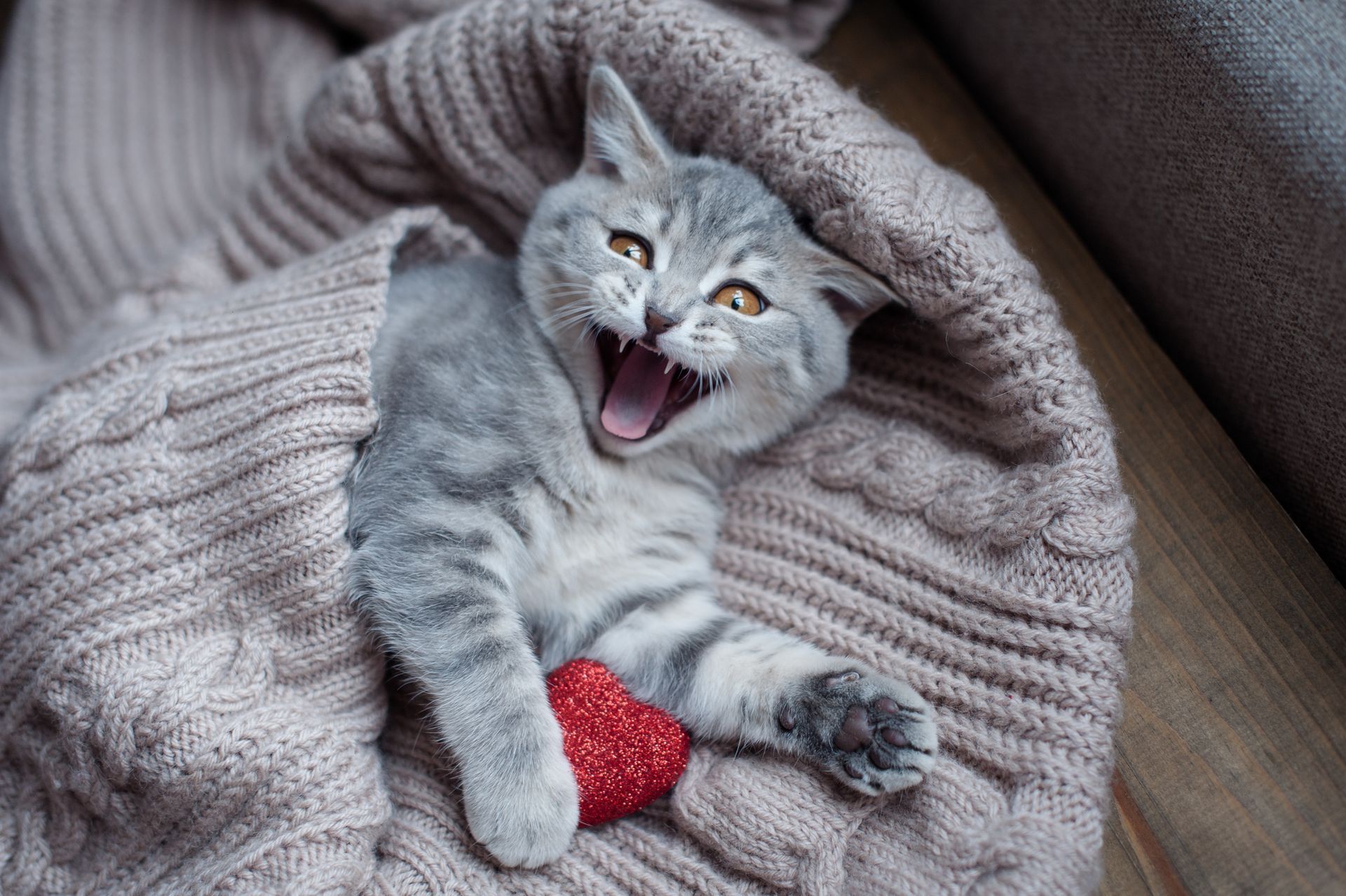
Occasional drooling can happen in some cats when they are relaxed, purring, or very content. However, sudden drooling, excessive drooling, or drooling with other symptoms can signal a medical problem that should be evaluated.
Cats may drool because of dental disease, mouth pain, nausea, toxin exposure, trauma, foreign material in the mouth, or certain systemic illnesses. Since cats often hide discomfort, drooling may be one of the first visible signs that something is wrong.
For families in Akron, Fairlawn, and Copley, cat drooling is a common reason for urgent veterinary calls. At
Copley Fairlawn Veterinary Clinic, we evaluate drooling by looking closely at the mouth, hydration, nausea signs, toxin risk, and overall health.
When Cat Drooling May Be Normal
Some cats drool lightly when they are relaxed, kneading, or purring. This type of drooling is usually mild, brief, and happens in a predictable situation.
Normal drooling should not be sudden, heavy, foul-smelling, bloody, or associated with pain. Your cat should still be eating, grooming, breathing normally, and acting like themselves.
If drooling is new, increasing, or paired with behavior changes, it is safer to schedule an exam.
Dental Disease and Mouth Pain
Dental disease is one of the most common medical causes of drooling in cats. Painful teeth, inflamed gums, oral infection, tooth resorption, abscesses, or broken teeth can all make saliva production increase.
Cats with mouth pain may drool, drop food, chew on one side, paw at the mouth, avoid dry food, or develop bad breath. Some cats continue eating despite significant dental pain, which can make the problem easy to miss.
Dental evaluation through our
Advanced Dental Care
services can help identify whether oral pain, infection, tooth resorption, or gum disease is contributing to drooling.
Nausea and Digestive Illness
Cats may drool when they feel nauseated. Nausea can occur with gastrointestinal upset, kidney disease, liver disease, pancreatitis, toxin exposure, or certain medications.
A nauseated cat may lick their lips, swallow repeatedly, hide, refuse food, vomit, or seem quieter than normal. Some cats sit near the food bowl but do not eat.
If drooling is accompanied by vomiting, appetite loss, weight loss, or lethargy, diagnostic testing may be recommended to look for an internal cause.
Our
Onsite Diagnostics services can help evaluate organ function, hydration status, blood sugar, and other health concerns when drooling may be connected to systemic illness.
Toxin Exposure and Irritating Substances
Sudden heavy drooling can occur if a cat licks or chews something irritating or toxic.
Possible triggers include certain household cleaners, plants, topical flea products meant for dogs, medications, essential oils, insecticides, or bitter-tasting substances. Some cats drool heavily after tasting something unpleasant, while others may develop more serious signs.
If you suspect toxin exposure, do not wait for symptoms to worsen. Call a veterinarian and provide the product name or container information if available.
Foreign Material or Mouth Injury
Cats may drool if something is stuck in the mouth or if oral tissue has been injured. String, plant material, bone fragments, or small objects can irritate the tongue, gums, or throat.
Mouth injuries may also occur from chewing electrical cords, trauma, falls, or sharp objects.
Signs may include pawing at the mouth, gagging, repeated swallowing, reluctance to eat, or visible blood. Do not pull on string or material coming from the mouth unless directed by a veterinarian, since it may extend deeper.
When Drooling Is an Emergency
Some drooling situations require urgent care.
Call promptly if your cat is drooling heavily, having trouble breathing, pawing at the mouth, vomiting repeatedly, refusing food, acting weak, hiding, bleeding from the mouth, or showing signs of toxin exposure.
Drooling with open-mouth breathing is especially concerning because cats should not breathe through their mouths at rest.
Our
Emergency Vet services can help when drooling appears suddenly, is severe, or occurs with concerning symptoms.
What a Veterinary Exam May Include
Evaluation begins with a physical examination. Your veterinarian will check your cat’s mouth, teeth, gums, tongue, hydration, temperature, heart rate, breathing, and overall condition.
If dental disease is suspected, a more detailed oral evaluation may be recommended. Dental X-rays may be needed because many painful tooth problems occur below the gumline.
If nausea or internal illness is suspected, bloodwork, urinalysis, imaging, or additional testing may be discussed.
The goal is to identify whether the drooling is coming from mouth pain, nausea, toxin exposure, trauma, or another medical condition.
How Treatment Depends on the Cause
Treatment depends on what is found.
Dental causes may require dental cleaning, extractions, pain control, or treatment of infection. Nausea-related drooling may require anti-nausea medication, fluids, diet support, or treatment of the underlying condition.
Toxin exposure may require decontamination, monitoring, or supportive care depending on the substance and timing.
Because causes vary widely, treatment should be based on diagnosis rather than guessing at home.
Frequently Asked Questions
Why is my cat drooling suddenly?
Sudden drooling may be caused by dental pain, nausea, toxin exposure, mouth injury, foreign material, or stress. If it is new or heavy, veterinary evaluation is recommended.
Is cat drooling an emergency?
Drooling can be urgent if it is heavy, sudden, associated with breathing difficulty, toxin exposure, vomiting, weakness, mouth bleeding, or refusal to eat.
Can dental disease make a cat drool?
Yes. Painful teeth, inflamed gums, tooth resorption, oral infection, or abscesses can cause drooling and mouth discomfort.
Why is my cat drooling and not eating?
Drooling with appetite loss may suggest mouth pain, nausea, systemic illness, or toxin exposure. This combination should be evaluated promptly.
What should I do if my cat is drooling a lot?
Check for obvious toxin exposure or mouth injury if safe to do so, but do not force your cat’s mouth open. Call your veterinarian for guidance, especially if symptoms are sudden or severe.
Schedule an Exam for Cat Drooling
If your cat is drooling suddenly, drooling heavily, or showing signs of mouth pain, nausea, or illness, an exam can help identify the cause.
Copley Fairlawn Veterinary Clinic at (234) 400-PETS to schedule an examination.
We provide dental evaluation, diagnostics, and urgent care for cats in Akron and serve families from Fairlawn and Copley.
Early evaluation helps relieve discomfort and determine whether drooling is related to dental disease, nausea, toxin exposure, or another health concern.

Introducing Vello
A Better Way to Stay Connected

Scan the QR code or use the portal login link below to get started.
SHARE THIS