Cat Sneezing and Runny Eyes: When It’s Time to See a Vet
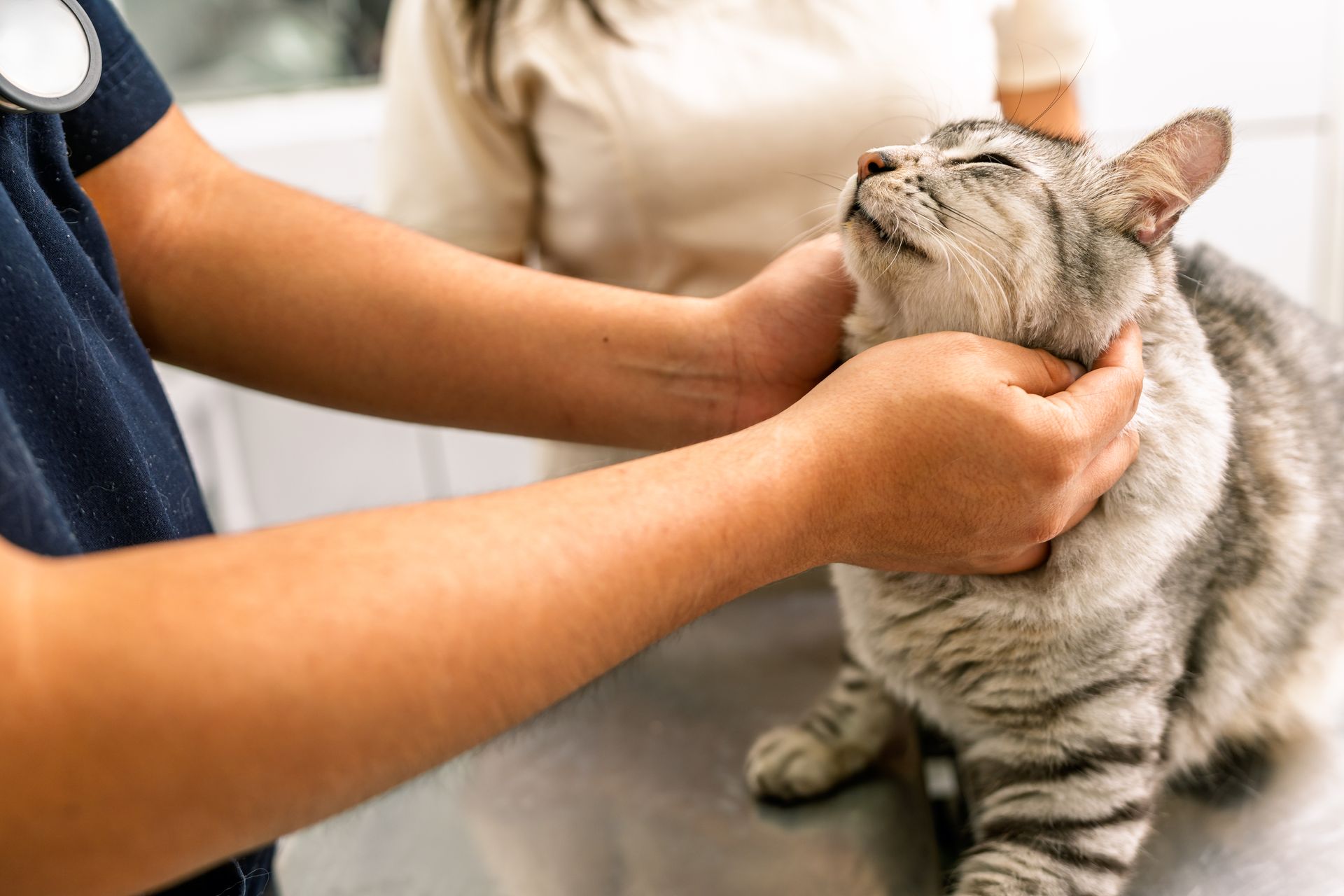
Sneezing in cats can happen occasionally from dust, litter, or mild irritation. However, frequent sneezing, runny eyes, nasal discharge, or reduced appetite may point to an upper respiratory infection or another medical issue.
For families in Akron, Fairlawn, and Copley, cat sneezing and eye discharge are common reasons for veterinary visits, especially for kittens, recently adopted cats, and multi-cat households. At Copley Fairlawn Veterinary Clinic, we evaluate respiratory symptoms by looking at the full picture, including eye health, nasal discharge, appetite, vaccine history, and overall comfort.
Because cat respiratory symptoms can range from mild irritation to contagious illness, knowing when to schedule an exam is important.
Why Cats Sneeze
Sneezing is a reflex that helps clear the nose of irritants. A few occasional sneezes may not be concerning if your cat is otherwise eating, breathing normally, and acting like themselves.
More persistent sneezing can be caused by viral infections, bacterial involvement, allergies, dental disease, nasal inflammation, foreign material, or environmental irritants. Common household triggers may include dusty litter, smoke, strong cleaners, perfumes, candles, or dry indoor air.
The pattern matters. Sneezing that lasts more than a day or two, worsens, or occurs with eye discharge should be evaluated.
Cat Runny Eyes and Upper Respiratory Infections
Runny eyes often occur with feline upper respiratory infections. These infections may involve the nose, throat, and eyes.
Feline herpesvirus and calicivirus are common causes of upper respiratory symptoms in cats. These infections can spread between cats through respiratory droplets, shared bowls, grooming, bedding, or close contact. Kittens and cats in shelters, rescues, or multi-cat homes may be at higher risk.
Symptoms may include sneezing, watery eyes, nasal discharge, congestion, squinting, fever, reduced appetite, or lethargy. Some cats also develop mouth ulcers, especially with calicivirus.
A mild infection may cause clear discharge and occasional sneezing. Thicker yellow or green discharge, eye pain, or appetite loss is more concerning.
Kitten Sneezing
Kitten sneezing should be taken seriously because young cats can become dehydrated or stop eating more quickly than healthy adults.
Kittens with respiratory infections may have runny eyes, crusting around the nose, congestion, or difficulty smelling food. When kittens cannot smell well, they may lose interest in eating.
Prompt care helps protect hydration, nutrition, and comfort. Kittens from Akron, Fairlawn, and Copley are commonly evaluated for sneezing after adoption, shelter exposure, or contact with other cats.
When Sneezing Is More Concerning
Veterinary evaluation is recommended if your cat has frequent sneezing that continues, thick discharge, eye redness, squinting, coughing, open-mouth breathing, loss of appetite, fever, or lethargy.
Open-mouth breathing in cats is not normal and should be treated as urgent.
If your cat seems congested but is still eating and acting normally, an exam may still be appropriate, especially if symptoms persist or other cats in the home are affected.
What a Vet Visit May Include
During the exam, your veterinarian will evaluate your cat’s eyes, nose, mouth, hydration, temperature, breathing pattern, and overall condition.
Testing depends on severity and history. Some cats need only an exam and supportive care. Others may need diagnostic testing if symptoms are severe, recurrent, or not improving.
Our Onsite Diagnostics services may help evaluate infection, hydration, systemic illness, or other causes when symptoms are more significant.
In some cases, additional testing may be recommended for chronic nasal discharge, suspected dental involvement, or recurring respiratory signs.
How Cat Respiratory Symptoms Are Treated
Treatment depends on the cause.
Viral upper respiratory infections often require supportive care. This may include hydration support, appetite support, eye medication, nasal care, or medication for secondary bacterial infection when appropriate.
Cats should not be given human cold medications unless specifically directed by a veterinarian. Many human medications are unsafe for cats.
At home, keeping your cat comfortable, encouraging food intake, and gently cleaning discharge from the eyes or nose can help. If appetite decreases, symptoms worsen, or breathing changes, veterinary care should not be delayed.
Vaccine and Prevention Tie-In
Vaccination does not prevent every respiratory infection, but it can reduce the risk and severity of important contagious diseases.
The FVRCP vaccine helps protect against feline viral rhinotracheitis, calicivirus, and panleukopenia. Feline viral rhinotracheitis and calicivirus are common contributors to upper respiratory disease in cats. Core feline vaccines commonly include protection against these respiratory viruses.
Routine
Vaccinations
and
Wellness Exams help maintain protection and allow early discussion of respiratory concerns, especially for kittens and multi-cat households.
Multi-Cat Homes and Contagion
If one cat is sneezing, other cats may be exposed depending on the cause. Respiratory infections commonly spread through close contact, shared items, and secretions from the eyes or nose.
It is helpful to separate symptomatic cats when possible, clean shared bowls and bedding, and wash hands between handling cats.
If multiple cats develop symptoms, schedule an exam to determine the safest next steps.
Frequently Asked Questions
Why is my cat sneezing so much?
Frequent sneezing may be caused by an upper respiratory infection, irritants, allergies, dental disease, or nasal inflammation. If sneezing persists or occurs with discharge, an exam is recommended.
Why does my cat have runny eyes and sneezing?
Sneezing with runny eyes often suggests an upper respiratory infection, especially in kittens or multi-cat homes. Eye redness, squinting, or thick discharge should be evaluated.
Is kitten sneezing serious?
Kitten sneezing can become serious if appetite drops, congestion worsens, or dehydration develops. Young kittens should be evaluated sooner than healthy adult cats.
Can cats get colds?
Cats can develop upper respiratory infections that resemble colds in people. These are often caused by feline-specific viruses and are not the same as a human cold.
When should I take my cat to the vet for sneezing?
Schedule a visit if sneezing lasts more than a couple of days, discharge becomes thick, appetite decreases, breathing changes, or your cat seems lethargic.
Schedule an Exam for Cat Sneezing or Runny Eyes
If your cat is sneezing frequently, has runny eyes, or is showing signs of congestion, early evaluation can help determine whether treatment is needed.
Call Copley Fairlawn Veterinary Clinic at (234) 400-PETS to schedule an examination.
We provide respiratory evaluations, wellness care, vaccinations, and onsite diagnostics for cats in Akron and serve families from Fairlawn and Copley.
Prompt care can help protect your cat’s comfort and reduce the risk of symptoms worsening.




Introducing Vello
A Better Way to Stay Connected

Scan the QR code or use the portal login link below to get started.
SHARE THIS