Why Is My Cat Losing Weight? Common Causes in Older Cats
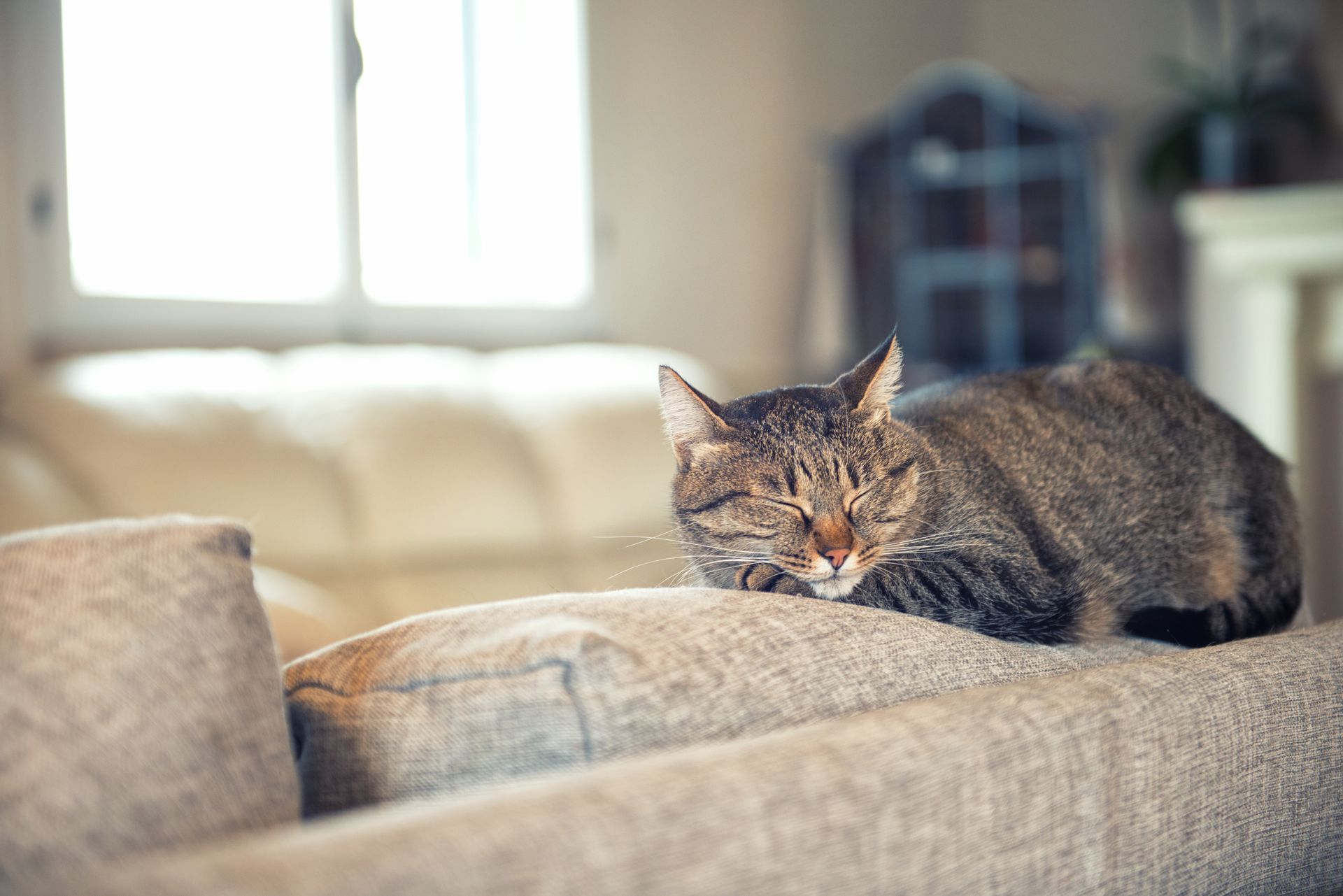
If you have noticed your cat losing weight, especially during their senior years, it is important not to ignore the change. Weight loss in older cats is often one of the earliest signs of an underlying medical condition, even when appetite appears normal.
For many families in Akron, Fairlawn, and Copley, gradual weight loss is the first indication that something is affecting their cat’s long-term health. At Copley Fairlawn Veterinary Clinic, we approach feline weight loss as a diagnostic concern that deserves careful evaluation rather than simple monitoring at home.
Identifying the cause early often allows for more effective treatment and improved quality of life.
When Weight Loss Becomes Concerning
Small fluctuations in weight can happen occasionally, but ongoing weight loss should always be evaluated in older cats.
You may notice:
- More visible ribs or spine
- Muscle loss around the hips or shoulders
- Reduced body condition despite normal eating
- A dull or unkempt coat
- Lower activity levels
Many owners are surprised when a cat continues eating but still loses weight. This combination is particularly important because it commonly occurs with several chronic medical conditions.
Hyperthyroidism in Cats
Hyperthyroidism is one of the most common causes of senior cat weight loss.
This condition develops when the thyroid gland produces excessive hormone, increasing the body’s metabolic rate. Cats burn calories more rapidly and may lose weight even while eating more than usual.
Additional signs may include:
- Increased appetite
- Increased thirst
- Restlessness
- Vomiting
- Poor coat condition
Because symptoms often progress gradually, owners may not immediately recognize the change.
Diagnosis is confirmed through blood testing, and treatment options vary depending on the severity of disease and overall health.
Chronic Kidney Disease
Kidney disease is another common cause of weight loss in older cats.
As kidney function declines, toxins begin accumulating in the bloodstream. Cats may develop nausea, reduced appetite, dehydration, and muscle loss.
Early kidney disease may initially cause only subtle symptoms, which is why routine screening is valuable for aging pets.
Cats with kidney disease may also show:
- Increased drinking
- Increased urination
- Poor appetite
- Vomiting
- Weakness
Routine laboratory testing through our Onsite Diagnostics services often helps detect kidney changes before severe illness develops.
Diabetes Mellitus
Diabetes can also cause significant weight loss.
Cats with diabetes are unable to properly regulate blood sugar levels, preventing the body from using nutrients effectively.
Many diabetic cats continue eating normally or develop increased appetite while still losing weight.
Common signs include:
- Increased thirst
- Increased urination
- Lethargy
- Weakness
Bloodwork and urinalysis help confirm diagnosis and guide treatment planning.
Dental Disease and Oral Pain
Dental disease is an overlooked but important cause of feline weight loss.
Painful teeth, inflamed gums, tooth resorption, and oral infection can make eating uncomfortable. Some cats continue approaching food while eating smaller amounts because chewing is painful.
Cats are particularly skilled at hiding oral discomfort, so signs may be subtle.
Older cats from Akron, Fairlawn, and Copley are commonly evaluated for weight loss associated with untreated dental disease.
Evaluation through our Advanced Dental Care services can help determine whether oral pain is contributing to appetite or weight changes.
Inflammatory Bowel Disease and Intestinal Lymphoma
Chronic gastrointestinal disease is another possible cause of weight loss in older cats.
Inflammatory bowel disease, commonly called IBD, can interfere with normal nutrient absorption and may cause chronic vomiting, diarrhea, or gradual weight loss. In some senior cats, intestinal lymphoma may produce very similar symptoms.
Cats with gastrointestinal disease may continue eating while steadily losing weight over time.
Because these conditions can appear similar early on, additional diagnostics such as bloodwork, ultrasound, or intestinal sampling may be recommended.
Why Diagnostic Testing Matters
When owners ask why is my cat losing weight, the answer cannot usually be determined through symptoms alone.
Physical examination provides important clues, but laboratory testing is often necessary to identify the underlying condition accurately.
Diagnostic evaluation may include:
- Bloodwork
- Urinalysis
- Thyroid testing
- Blood glucose evaluation
- Imaging such as ultrasound or radiographs
Comparing current results with previous screening values is often extremely helpful in detecting early disease progression.
Routine
Wellness Exams allow many chronic conditions to be identified before severe symptoms develop.
What to Expect During an Evaluation
When a senior cat presents with unexplained weight loss, evaluation typically begins with a complete physical examination and review of medical history.
Your veterinarian may assess:
- Body condition and muscle mass
- Hydration status
- Oral health
- Thyroid enlargement
- Abdominal comfort
Further recommendations are based on examination findings and laboratory results.
The goal is to identify the underlying cause efficiently so treatment can begin before disease progresses further.
Can Weight Loss Be Reversed?
In many cases, yes.
Conditions such as hyperthyroidism, diabetes, dental disease, and early kidney disease are often manageable when diagnosed early.
Successful treatment frequently improves appetite, energy levels, and body condition.
The earlier evaluation occurs, the greater the opportunity to stabilize disease and maintain quality of life.
Frequently Asked Questions
Why is my cat losing weight but still eating?
Hyperthyroidism, diabetes, gastrointestinal disease, and some cancers may cause weight loss despite normal or increased appetite.
Is weight loss normal in older cats?
Mild muscle loss can occur with aging, but noticeable or progressive weight loss should always be evaluated.
Can dental disease cause weight loss in cats?
Yes. Painful dental disease can reduce food intake and make eating uncomfortable even if your cat still approaches food.
What diseases cause older cats to lose weight?
Common causes include hyperthyroidism, kidney disease, diabetes, gastrointestinal disease, dental problems, and certain cancers.
When should I take my cat to the vet for weight loss?
If your cat is steadily losing weight, especially if vomiting, drinking more water, or acting differently, veterinary evaluation is recommended.
Schedule an Evaluation
If your cat is losing weight or showing changes in appetite, activity, or behavior, early evaluation can help identify the cause before symptoms become more advanced.
Call Copley Fairlawn Veterinary Clinic at (234) 400-PETS to schedule an examination.
We provide comprehensive diagnostic and senior wellness care for cats in Akron and serve families from Fairlawn and Copley.
Early detection allows for more targeted treatment and better long-term management of chronic disease.


Introducing Vello
A Better Way to Stay Connected

Scan the QR code or use the portal login link below to get started.
SHARE THIS