Why Is My Cat Peeing Outside the Litter Box?
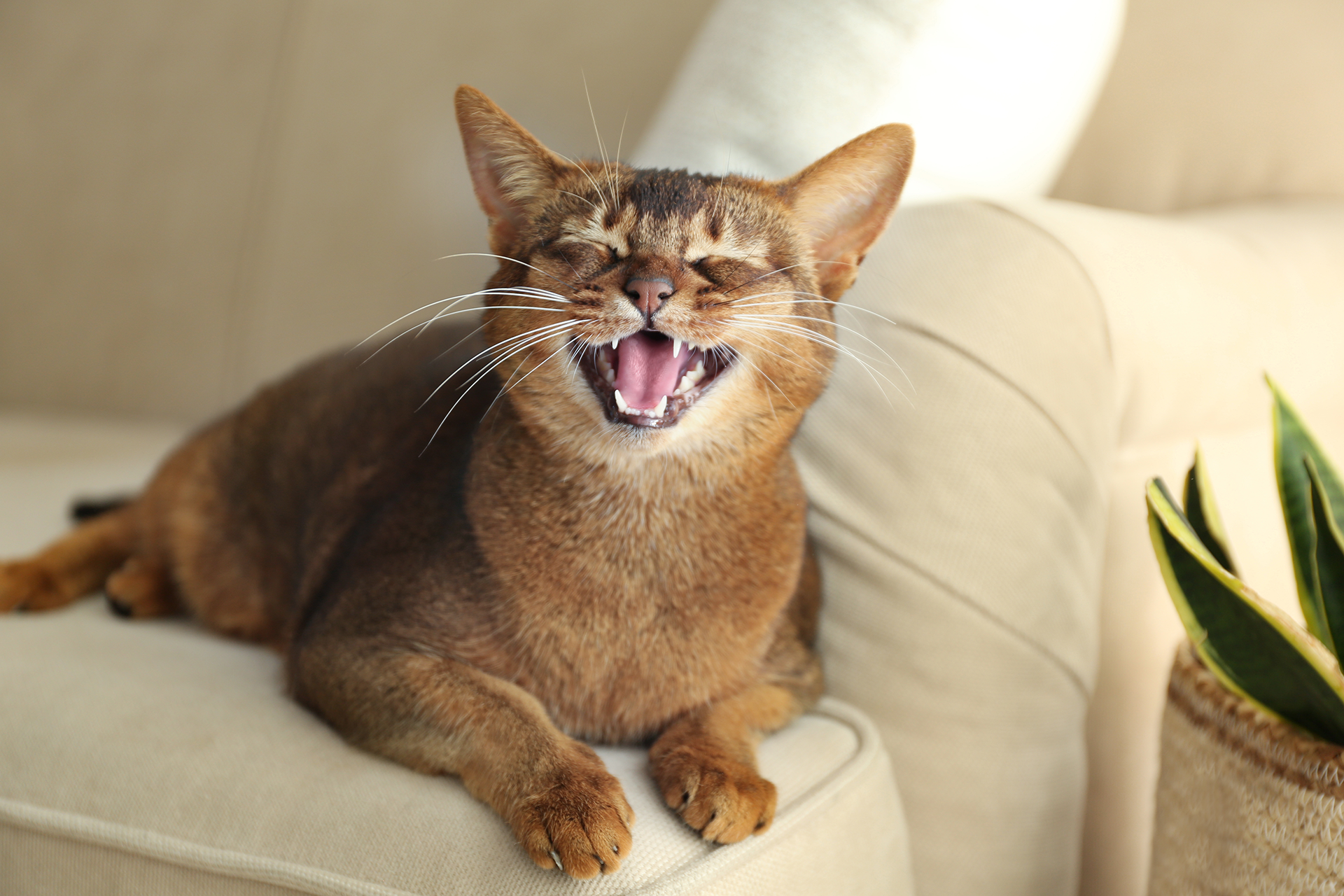
When a cat starts peeing outside the litter box, it can be frustrating and concerning. Many owners assume the issue is behavioral, but urinary accidents often have a medical cause that should be ruled out first.
Cats may urinate outside the box because of bladder discomfort, urinary tract inflammation, kidney disease, diabetes, arthritis, stress, or litter box preferences. In many cases, the behavior is not intentional. It is a sign that something about your cat’s health, comfort, or environment has changed.
For families in Akron, Fairlawn, and Copley, litter box problems are a common reason for veterinary visits. At
Copley Fairlawn Veterinary Clinic, we evaluate cats with inappropriate urination by first looking for medical causes, then considering behavioral and environmental factors once health concerns are addressed.
Why Cats Pee Outside the Litter Box
Cats are usually consistent with bathroom habits. When a cat suddenly starts urinating outside the box, it often means something has changed.
The location of the accident can sometimes provide clues. A cat peeing on the bed may be seeking a soft, familiar surface. A cat urinating near the box may be associating the box with discomfort. A cat peeing in multiple areas may have increased urgency or urine volume.
Because several conditions can cause similar signs, an exam and diagnostic testing are often needed to determine what is happening.
Medical Causes Should Be Ruled Out First
Before assuming your cat is acting out, medical problems should be considered.
Common medical causes include urinary tract inflammation, bladder stones, kidney disease, diabetes, arthritis, and pain. Cats with bladder discomfort may feel the urge to urinate frequently, even when little urine is produced. Others may associate the litter box with pain and begin avoiding it.
Senior cats may develop mobility issues that make it harder to climb into a box, especially if the sides are high. Cats with kidney disease or diabetes may produce more urine, causing the box to become soiled faster than usual.
This is why veterinary evaluation is the first step when a cat is urinating outside the box.
Urinary Tract Inflammation and Bladder Problems
Feline lower urinary tract disease can cause frequent urination, straining, blood in the urine, and accidents outside the litter box. Some cats appear restless, lick near the urinary opening, or make repeated trips to the box.
A urinary tract infection is possible, but bladder inflammation without infection is also common in cats. Bladder stones or crystals may also contribute to irritation.
Male cats require special attention because urinary blockage can develop if the urethra becomes obstructed. If your cat is straining and producing little or no urine, this should be treated as urgent.
Diagnostic testing through our
Onsite Diagnostics services can help evaluate urine concentration, infection, crystals, kidney values, and other causes of urinary changes.
Cat Peeing on the Bed or Soft Surfaces
When a cat pees on a bed, laundry, couch, or rug, owners often assume the behavior is emotional. In reality, cats do not urinate outside the box to punish people.
Soft surfaces may feel more comfortable if the cat has bladder pain, joint pain, or stress-related urinary issues. Beds and clothing also carry familiar scents, which can make them appealing when a cat feels insecure.
If this happens suddenly, especially in a cat that previously used the litter box normally, medical evaluation is recommended before focusing only on behavior.
When Litter Box Problems Are Behavioral
If medical causes are ruled out, behavior and environment should be reviewed carefully.
Cats may avoid the litter box if it is dirty, too small, difficult to access, covered, placed in a stressful area, or filled with a litter texture they dislike. Multi-cat households can also create conflict around litter box access.
A good general rule is to provide one litter box per cat, plus one extra. Boxes should be placed in quiet, accessible locations and cleaned consistently.
Behavioral litter box problems are often manageable, but success depends on identifying the trigger.
Senior Cats and Litter Box Access
Older cats may stop using the litter box because of arthritis, weakness, vision changes, or cognitive decline.
A senior cat with stiff hips may avoid a box with high sides. A cat with arthritis may struggle to reach a box in the basement or upstairs. A cat with cognitive changes may become less consistent with routine habits.
Routine
Wellness Exams help identify age-related changes that may affect litter box behavior, including arthritis, kidney disease, thyroid disease, and dental pain.
What Testing May Include
When a cat is peeing outside the litter box, your veterinarian may recommend testing based on symptoms, age, and medical history.
Testing may include urinalysis, urine culture, bloodwork, thyroid screening, blood glucose evaluation, or imaging if stones or structural concerns are suspected.
Urinalysis can show urine concentration, blood, crystals, inflammation, or signs of infection. Bloodwork helps evaluate kidney function, diabetes, thyroid disease, and overall health.
Testing allows treatment to be based on evidence instead of guessing.
Red Flags That Need Veterinary Care Quickly
Some urinary symptoms should not wait.
Prompt evaluation is recommended if your cat is straining, producing only small amounts of urine, crying in the litter box, showing blood in the urine, vomiting, hiding, or acting weak.
If a male cat is repeatedly trying to urinate but little or no urine is coming out, this may indicate urinary blockage. That is a medical emergency.
Even if your cat is still eating and acting mostly normal, repeated accidents or sudden litter box avoidance should be evaluated.
Frequently Asked Questions
Why is my cat peeing outside the litter box all of a sudden?
Sudden litter box accidents may be caused by urinary discomfort, bladder inflammation, stress, arthritis, kidney disease, diabetes, or changes in the home. Veterinary evaluation is recommended before assuming it is behavioral.
Why is my cat peeing on my bed?
Cats may pee on beds because soft surfaces feel comfortable, familiar, or safer when they are stressed or experiencing urinary discomfort. Medical causes should be ruled out first.
How do I know if my cat has a urinary problem?
Warning signs include frequent litter box trips, straining, blood in urine, crying while urinating, licking near the urinary opening, or urinating outside the box.
Can stress make a cat pee outside the litter box?
Yes. Stress can contribute to litter box avoidance and may worsen bladder inflammation in some cats. Medical causes should still be checked.
When is a cat not using the litter box an emergency?
It is urgent if your cat is straining and producing little or no urine, especially in male cats. Vomiting, weakness, crying, or hiding with urinary signs also warrants prompt care.
Schedule an Exam for Litter Box Problems
If your cat is peeing outside the litter box, early evaluation can help determine whether the cause is medical, behavioral, or both.
Call Copley Fairlawn Veterinary Clinic at (234) 400-PETS to schedule an examination.
We provide urinary evaluation, diagnostics, wellness care, and behavior guidance for cats in Akron and serve families from Fairlawn and Copley.
Finding the cause early helps protect your cat’s comfort and makes it easier to restore healthy litter box habits.





Introducing Vello
A Better Way to Stay Connected

Scan the QR code or use the portal login link below to get started.
SHARE THIS