Cat Drinking More Water Than Usual: When It Signals a Health Problem
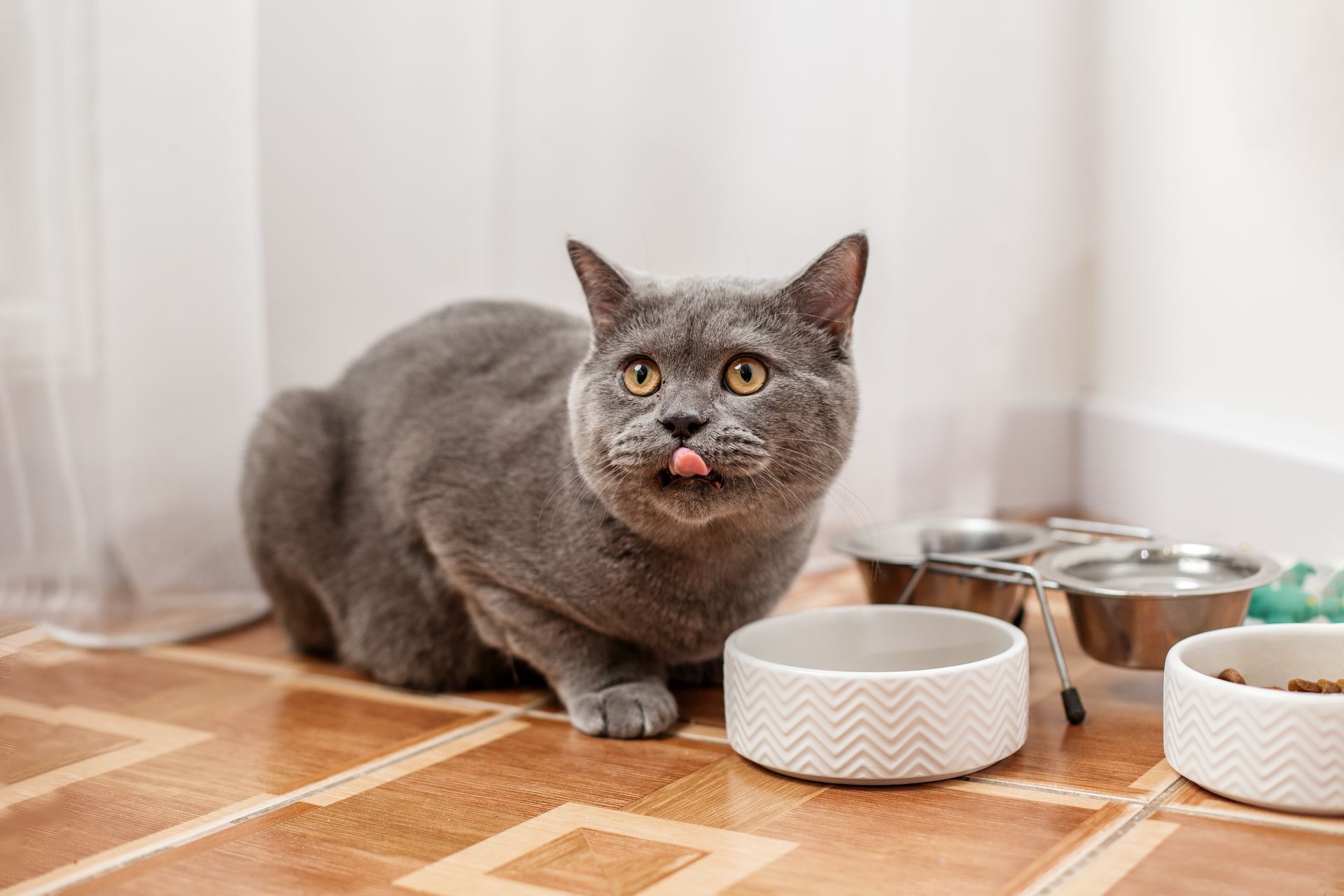
Cats are naturally subtle when it comes to changes in behavior, which is why increased thirst is often one of the earliest signs owners notice when an underlying health condition develops. If your cat suddenly seems to spend more time at the water bowl or the litter box is becoming wetter than usual, it is important to pay attention.
For many families in Akron, Fairlawn, and Copley, excessive thirst is one of the first indicators of chronic disease in older cats. While some changes in drinking habits may be temporary, persistent increased water intake often warrants medical evaluation.
At
Copley Fairlawn Veterinary Clinic, we commonly evaluate cats for increased thirst associated with kidney disease, diabetes, thyroid disease, and other chronic medical conditions. Identifying the cause early often allows for more effective long-term management.
How Much Water Is Normal for a Cat?
Water intake varies depending on diet, activity level, and environmental temperature.
Cats eating canned food typically consume less water because moisture is already present in the diet. Cats eating primarily dry food often drink more.
What matters most is a noticeable change from your cat’s normal habits.
You may notice:
- More frequent visits to the water bowl
- Empty water dishes sooner than usual
- Increased urination
- Larger urine clumps in the litter box
These changes may develop gradually, especially in senior cats.
Chronic Kidney Disease
One of the most common causes of excessive thirst in cats is chronic kidney disease.
As kidney function declines, the kidneys lose the ability to properly conserve water. Cats begin producing larger amounts of dilute urine, which leads to increased thirst.
Additional signs may include:
- Weight loss
- Reduced appetite
- Vomiting
- Poor coat condition
- Lethargy
Kidney disease is especially common in older cats and often progresses gradually over time.
Routine bloodwork through our
Onsite Diagnostics services can help identify kidney disease before severe symptoms develop.
Diabetes in Cats
Diabetes mellitus is another important cause of increased thirst.
When blood sugar levels become elevated, excess glucose spills into the urine and pulls water along with it. This leads to increased urination and compensatory thirst.
Cats with diabetes may also show:
- Weight loss
- Increased appetite
- Weakness
- Reduced activity
Some owners first notice that the litter box needs to be changed more frequently.
Blood testing and urinalysis are typically used to confirm diagnosis.
Hyperthyroidism in Cats
Hyperthyroidism is extremely common in senior cats.
This condition causes the thyroid gland to produce excessive hormone, increasing metabolic activity throughout the body.
Many hyperthyroid cats drink more water while also showing:
- Weight loss despite eating
- Increased appetite
- Restlessness
- Vomiting
- Increased vocalization
Because symptoms often progress slowly, increased thirst may initially seem subtle.
Other Causes of Increased Thirst
Not every thirsty cat has kidney disease or diabetes.
Other possible causes include:
- Urinary tract disease
- Certain medications
- Liver disease
- High blood pressure
- Infections
Stress and dietary changes may occasionally affect water intake temporarily, but persistent excessive drinking should still be evaluated.
Why Early Testing Matters
Cats are very good at masking illness. Increased thirst is often one of the first visible signs that something internal is changing.
Diagnostic testing allows us to identify underlying disease before it becomes advanced.
Evaluation may include:
- Bloodwork
- Urinalysis
- Blood pressure testing
- Thyroid screening
- Imaging if indicated
Comparing current values with prior wellness screening results is especially useful in detecting gradual disease progression.
Regular Wellness Exams are important for identifying chronic disease early in aging cats.
What to Expect During an Examination
When evaluating a cat drinking more water than usual, your veterinarian will review:
- Appetite changes
- Weight trends
- Urination habits
- Activity level
- Medication history
A physical examination helps assess hydration status, body condition, thyroid enlargement, and overall health.
Diagnostic recommendations are then tailored to your cat’s age and symptoms.
Is Increased Thirst Always an Emergency?
Not necessarily.
However, increased thirst should not be ignored, particularly in older cats.
If excessive drinking is accompanied by:
- Weight loss
- Vomiting
- Weakness
- Reduced appetite
- Increased urination
…prompt evaluation is recommended.
Early intervention often allows better management and improved long-term comfort.
Managing Chronic Disease in Cats
Many chronic conditions causing excessive thirst are manageable with appropriate care.
Treatment depends on the diagnosis and may involve:
- Prescription diets
- Medication
- Insulin therapy
- Fluid support
- Long-term monitoring
Our Chronic Disease Management services focus on maintaining comfort, monitoring progression, and supporting long-term quality of life.
Frequently Asked Questions
Why is my cat drinking so much water suddenly?
Sudden increased thirst may be associated with kidney disease, diabetes, hyperthyroidism, infection, or other medical conditions.
Sudden increased thirst may be associated with kidney disease, diabetes, hyperthyroidism, infection, or other medical conditions.
Older cats may drink slightly more, but noticeable or persistent increases should be evaluated.
How do I know if my cat is drinking too much water?
Frequent trips to the bowl, larger litter box clumps, and noticeably increased water consumption are common signs.
Can stress make cats drink more water?
Temporary stress may mildly affect drinking habits, but ongoing excessive thirst usually warrants medical evaluation.
What diseases cause excessive thirst in cats?
Common causes include kidney disease, diabetes, hyperthyroidism, urinary disease, and certain infections.
Schedule an Evaluation
If your cat is drinking more water than usual or showing changes in urination, appetite, or weight, early evaluation can help identify underlying health concerns before symptoms progress.
Call Copley Fairlawn Veterinary Clinic at (234) 400-PETS to schedule an examination.
We provide diagnostic and chronic disease care for cats in Akron and serve families from Fairlawn and Copley.
Early detection often allows more effective treatment and better long-term management of chronic illness.


Introducing Vello
A Better Way to Stay Connected

Scan the QR code or use the portal login link below to get started.
SHARE THIS