Older Cat Hyperthyroidism: Early Signs Pet Owners Miss
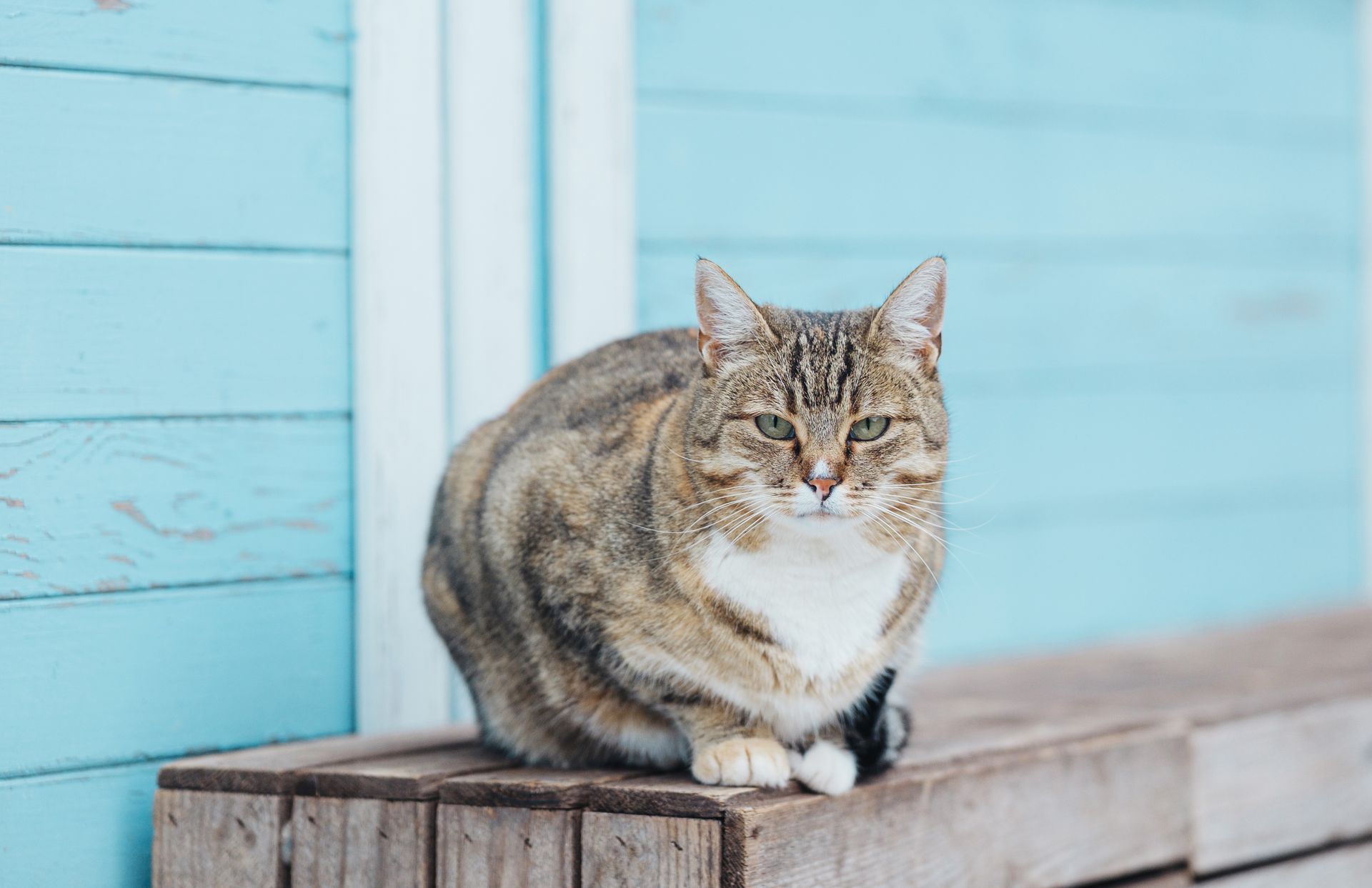
Hyperthyroidism is one of the most common medical conditions affecting senior cats. The condition develops gradually, which means many early signs are subtle and easy to overlook at home.
For many families in Akron, Fairlawn, and Copley, the first noticeable change is weight loss despite a normal or increased appetite. Other cats become more restless, vocal, or thirsty over time.
At Copley Fairlawn Veterinary Clinic, we commonly diagnose hyperthyroidism during evaluations for senior cat weight loss or behavior changes. Early recognition and testing are important because untreated thyroid disease can eventually affect the heart, blood pressure, kidneys, and overall quality of life.
Understanding the early warning signs helps owners seek care before complications become more advanced.
What Is Hyperthyroidism in Cats?
Hyperthyroidism occurs when the thyroid gland produces excessive thyroid hormone.
The thyroid regulates metabolism, which affects how quickly the body uses energy. When hormone levels become too high, the body essentially begins working in overdrive.
This increased metabolic activity places strain on multiple organ systems over time.
Hyperthyroidism most commonly affects middle-aged and older cats, particularly those over ten years of age.
Weight Loss Despite Eating Normally
One of the most common early signs is weight loss even though appetite remains normal or increases.
Many owners describe their cat as constantly hungry while continuing to lose body condition.
Because metabolism accelerates, the body burns calories faster than normal.
You may notice:
- More visible ribs or spine
- Muscle loss along the back legs
- Increased appetite
- Food-seeking behavior
This combination is one of the most important clues suggesting thyroid disease in senior cats.
Increased Thirst and Urination
Cats with hyperthyroidism often drink more water and urinate more frequently.
Some owners notice:
- Larger litter box clumps
- Increased visits to the water bowl
- More frequent urination
Because kidney disease can produce similar symptoms, diagnostic testing is important to distinguish between conditions.
In some cases, both diseases may occur simultaneously in older cats.
Behavioral Changes in Senior Cats
Hyperthyroidism can also affect behavior and activity levels.
Some cats become:
- More restless
- More vocal at night
- Easily agitated
- Hyperactive
- Less able to settle comfortably
Owners sometimes assume these changes are simply part of aging, but thyroid disease may be contributing.
Increased nighttime vocalization is especially common.
Vomiting and Digestive Changes
Digestive symptoms may develop gradually.
Cats with hyperthyroidism sometimes experience:
- Intermittent vomiting
- Loose stool
- Increased appetite with poor weight maintenance
Because symptoms may come and go, they are not always immediately recognized as part of a larger medical condition.
Heart Effects of Hyperthyroidism
Over time, untreated hyperthyroidism can place significant strain on the cardiovascular system.
Excess thyroid hormone increases heart rate and workload. Some cats eventually develop heart enlargement or elevated blood pressure.
In more advanced cases, owners may notice:
- Rapid breathing
- Weakness
- Exercise intolerance
- Collapse in severe situations
This is one reason why early diagnosis matters even when symptoms initially seem mild.
How Hyperthyroidism Is Diagnosed
Diagnosis typically begins with a physical examination and blood testing.
Your veterinarian may detect:
- Weight loss
- Elevated heart rate
- High blood pressure
- Enlarged thyroid gland
Bloodwork through our Onsite Diagnostics services measures thyroid hormone levels and evaluates kidney function at the same time.
Because thyroid disease and kidney disease often occur together in older cats, evaluating both is important when planning treatment.
Treatment Options for Hyperthyroidism
Several treatment approaches are available depending on the cat’s age, overall health, and severity of disease.
Treatment options may include:
- Oral medication
- Prescription diet therapy
- Radioactive iodine therapy
- Surgical thyroid removal in select cases
Many cats respond well to long-term medical management and monitoring.
Our
Chronic Disease Management
services help monitor thyroid levels, kidney function, weight trends, and overall quality of life over time.
Why Routine Wellness Screening Matters
Because hyperthyroidism develops gradually, routine wellness screening plays an important role in early detection.
Many older cats appear relatively normal in the early stages except for mild weight loss or subtle behavioral changes.
Annual or semiannual Wellness Exams combined with bloodwork allow thyroid disease to be identified before more serious complications develop.
Early diagnosis often leads to more stable long-term management and improved comfort.
Can Hyperthyroidism Be Managed Successfully?
In many cases, yes.
With appropriate treatment and monitoring, many hyperthyroid cats maintain good quality of life for years.
Management focuses on stabilizing thyroid hormone levels while monitoring kidney function and cardiovascular health.
The earlier treatment begins, the easier it often is to prevent secondary complications.
Frequently Asked Questions
What are the first signs of hyperthyroidism in cats?
Weight loss despite normal or increased appetite is one of the most common early signs.
Why is my older cat always hungry but losing weight?
Hyperthyroidism increases metabolic rate, causing cats to burn calories faster than normal.
Can hyperthyroidism make cats drink more water?
Yes. Increased thirst and urination are common symptoms in many hyperthyroid cats.
Is hyperthyroidism dangerous in cats?
If left untreated, it can affect the heart, blood pressure, kidneys, and overall health.
How is hyperthyroidism diagnosed?
Diagnosis is typically confirmed through blood testing that measures thyroid hormone levels.
Schedule a Senior Cat Evaluation
If your older cat is losing weight, drinking more water, or showing behavior changes, evaluation can help determine whether thyroid disease or another chronic condition may be involved.
Call Copley Fairlawn Veterinary Clinic at (234) 400-PETS to schedule an examination.
We provide diagnostic testing and chronic disease management for cats in Akron and serve families from Fairlawn and Copley.
Early diagnosis allows more effective long-term management and helps protect your cat’s overall health and comfort.




Introducing Vello
A Better Way to Stay Connected

Scan the QR code or use the portal login link below to get started.
SHARE THIS