Why Is My Dog Leaking Urine While Sleeping? Causes of Canine Incontinence
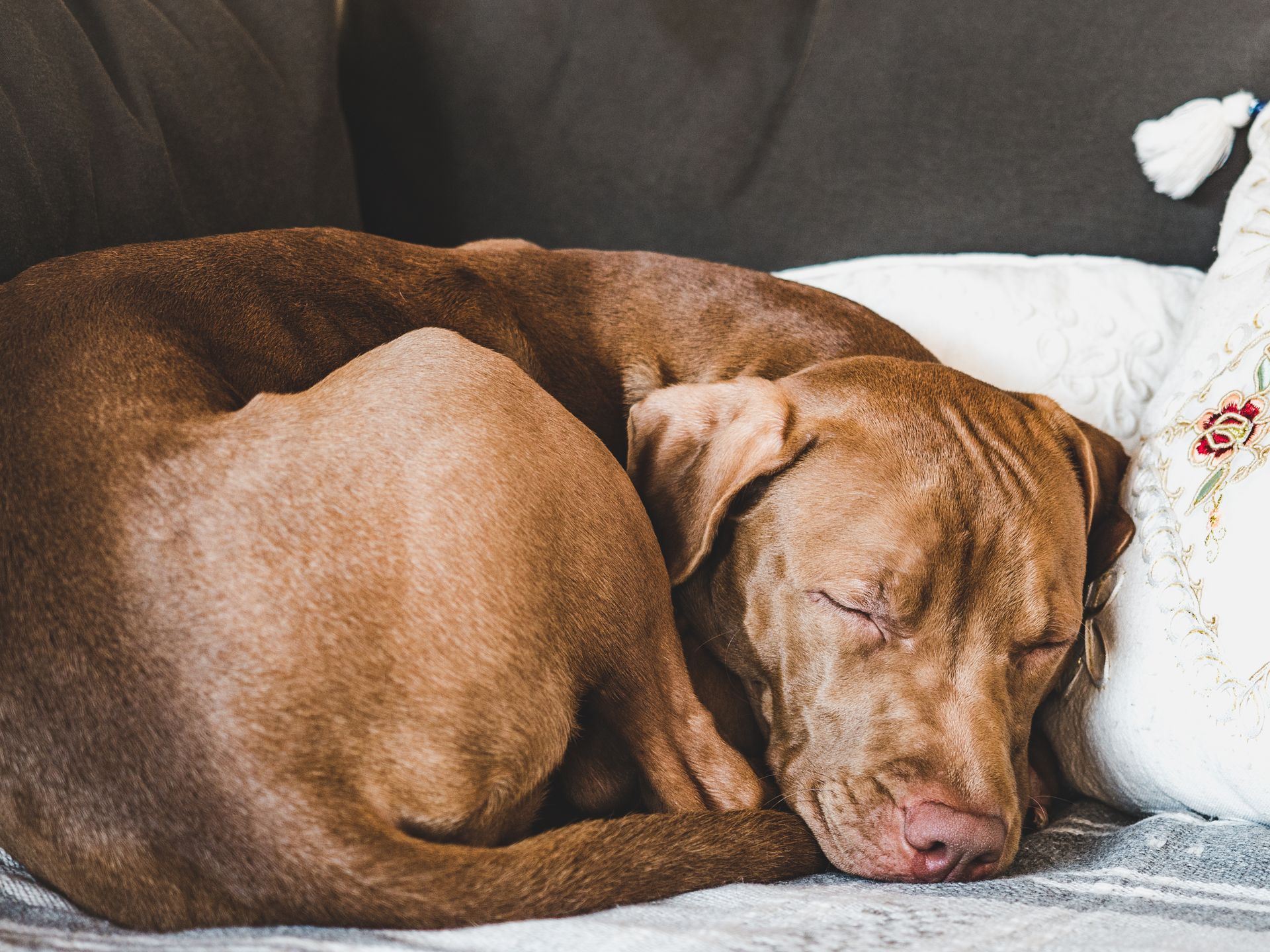
If your dog leaves a wet spot on the bed after sleeping, they may be experiencing urinary incontinence. Unlike a house-training accident, incontinence causes urine to leak without the dog consciously choosing to urinate.
Dogs with urinary incontinence may leak while sleeping, resting, walking, or shortly after urinating. Many appear unaware that it happened. Although the problem is common in some older and spayed female dogs, it can affect dogs of any age or sex.
For families in Akron, Fairlawn, and Copley,
Copley Fairlawn Veterinary Clinic can evaluate urine leakage and determine whether infection, weakened urinary control, bladder disease, hormone-related changes, or another condition may be involved.
Is My Dog Peeing in Sleep or Having an Accident?
Urinary incontinence usually causes involuntary leakage. You may find a puddle where your dog was lying, notice damp bedding, or see urine dribbling while your dog walks.
A dog having a behavioral house accident is usually awake and intentionally squats or lifts a leg. An incontinent dog often remains asleep or relaxed and may seem surprised when they wake up wet.
Other signs can include damp fur around the genital area, frequent licking, urine odor, or irritated skin caused by repeated moisture.
The pattern is important because treatment for incontinence differs from treatment for behavior-related accidents.
What Causes Canine Urinary Incontinence?
One common cause is reduced urethral sphincter control. The urethral sphincter helps keep urine inside the bladder until a dog chooses to urinate. If it does not close firmly enough, urine may leak when the dog is relaxed or sleeping.
Hormone-responsive incontinence is often discussed in spayed female dogs, particularly as they become middle-aged or older. However, male dogs and younger dogs can also develop incontinence.
Additional causes may include:
- Urinary tract infection or bladder inflammation
- Bladder stones
- Neurologic or spinal disease
- Prostate disease in male dogs
- Congenital urinary abnormalities
- Bladder overactivity
- Medication effects
- Conditions that cause increased urine production
An examination and testing are needed to determine which cause is most likely.
Could a Urinary Tract Infection Cause Leakage?
Yes. A urinary tract infection can irritate the bladder and create urgency, frequent urination, or leakage.
Dogs with infection may ask to go outside more often, pass small amounts, strain, lick the genital area, or have blood or a strong odor in the urine. Some dogs show few signs beyond new accidents.
Our
Urinary Care services can help determine whether infection, bladder inflammation, stones, incontinence, or another urinary condition is contributing to leakage.
Why Increased Thirst and Urination Matter
Some dogs leak urine because their bladders fill more quickly than normal. Kidney disease, diabetes, hormone disorders, medications, and other conditions can increase thirst and urine production.
Tell your veterinarian if your dog is drinking more, asking to go outside frequently, losing weight, eating differently, or producing unusually large amounts of urine.
These signs may point to a broader medical condition rather than a problem with bladder control alone.
When Urine Leakage Needs Prompt Care
Schedule a veterinary examination when urine leakage begins, even if your dog otherwise seems comfortable.
Seek prompt care if your dog:
- Strains or appears painful while urinating
- Produces little or no urine
- Has blood in the urine
- Vomits or refuses food
- Seems weak or lethargic
- Develops hind-leg weakness
- Has a swollen or painful abdomen
- Drinks or urinates much more than usual
Difficulty producing urine is different from incontinence and may represent an urgent obstruction.
What a Veterinary Evaluation May Include
Your veterinarian will ask when the leakage occurs, how much urine is present, whether your dog urinates normally outside, and whether thirst or appetite has changed.
The physical examination may include the abdomen, bladder, genital area, spine, hind legs, and neurologic function. Your dog’s medication history, reproductive status, age, and previous urinary problems are also relevant.
A urinalysis can assess urine concentration and check for blood, inflammation, glucose, crystals, or signs of infection. A urine culture may be recommended when bacterial infection is suspected.
Our Onsite Diagnostics services support urine and blood testing when incontinence or increased urine production requires further evaluation.
Bloodwork may be recommended to evaluate kidney function, blood sugar, electrolytes, and other indicators of internal health.
When Imaging May Be Needed
Imaging may be recommended if your veterinarian suspects bladder stones, an anatomical abnormality, prostate disease, a mass, or another structural concern.
X-rays or ultrasound can provide information about the bladder, kidneys, urinary tract, and surrounding tissues. Some dogs with persistent or unusual symptoms may need more specialized testing.
Not every incontinent dog requires every test. Recommendations depend on age, history, examination findings, and urinalysis results.
How Canine Incontinence Is Treated
Treatment depends on the cause.
Dogs with weakened urethral control may respond to medication that improves sphincter function. Urinary infections require appropriate treatment based on testing. Bladder stones, spinal disease, congenital abnormalities, or prostate problems require condition-specific care.
When leakage is connected to kidney disease, diabetes, or another long-term condition, treatment focuses on managing that disease as well as protecting the skin and keeping the dog comfortable.
Our
Chronic Disease Management services can support ongoing monitoring when urinary changes are linked to a condition requiring long-term care.
Home Care Until the Appointment
Take your dog outside more frequently and keep bedding clean and dry. Wash damp skin gently and dry it well to reduce irritation.
Do not restrict water unless your veterinarian specifically instructs you. Increased thirst may reflect a medical need, and limiting water can be unsafe.
Avoid punishing your dog. Incontinence is involuntary and is not a failure of training..
Frequently Asked Questions
Why is my dog leaking urine while sleeping?
Sleeping leakage commonly occurs when bladder or urethral control weakens, but infection, stones, neurologic disease, or increased urine production may also contribute.
Is urinary incontinence common in spayed female dogs?
It can occur in spayed females, particularly middle-aged or older dogs, but dogs of any age or sex may be affected.
Can a dog have a UTI without obvious pain?
Yes. Some dogs show only leakage, increased urination, licking, or house accidents. Urine testing helps determine whether infection is present.
Is canine urinary incontinence treatable?
Many causes can be treated or managed successfully. The correct plan depends on examination and test results.
Should I limit my dog’s water to prevent leaking?
No. Do not restrict water without veterinary direction. Increased thirst may be caused by an underlying medical condition.
Schedule a Urinary Evaluation
If your dog is peeing in their sleep or leaving wet spots while resting, a veterinary evaluation can help identify the cause.
Call Copley Fairlawn Veterinary Clinic at (234) 400-PETS to schedule an appointment.
We provide urinary evaluation, onsite diagnostics, and chronic disease support for dogs in Akron and serve families from Fairlawn and Copley.
Identifying the cause can help protect your dog’s comfort, skin health, and bladder function.

Introducing Vello
A Better Way to Stay Connected

Scan the QR code or use the portal login link below to get started.
SHARE THIS