Is Anesthesia Safe for My Senior Dog? How Vets Assess Surgical Risk
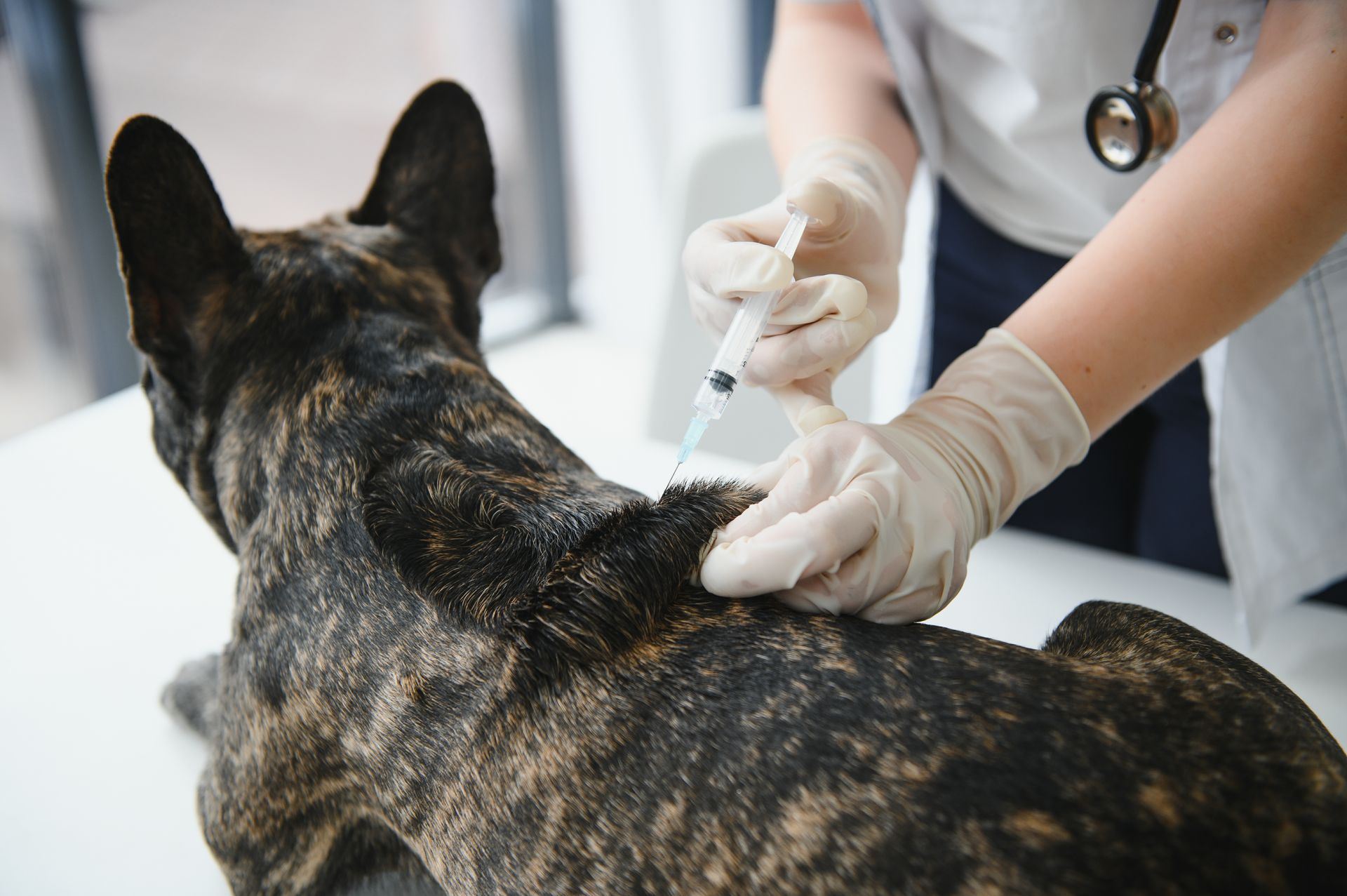
Age alone does not determine whether anesthesia is appropriate for a senior dog. Veterinarians assess anesthetic risk based on the individual dog’s physical exam, medical history, bloodwork, medications, heart and lung health, and the procedure being planned. Additional testing may be recommended when abnormalities are identified.
For senior dogs in Akron,
Copley Fairlawn Veterinary Clinic
uses pre-procedure evaluation and individualized anesthetic planning when dental or surgical treatment is needed.
Is Anesthesia More Dangerous for an Older Dog?
Older age can affect how a dog responds to anesthesia, but being senior does not automatically make a dog unable to undergo a procedure.
Senior dogs are more likely to have conditions involving the kidneys, liver, heart, lungs, joints, or endocrine system. Some of these problems may not produce obvious symptoms at home.
The purpose of a pre-anesthetic evaluation is to identify those concerns and decide whether the anesthetic plan needs to be modified, additional testing is appropriate, or a procedure should be postponed.
The decision should be based on your dog’s overall health rather than age alone.
What Happens Before Senior Dog Anesthesia?
The process begins with a physical examination and review of your dog’s medical history.
Your veterinarian may listen carefully to the heart and lungs, assess breathing, check gum color, evaluate hydration, and review weight, medications, previous anesthetic experiences, and known medical conditions.
Tell the veterinary team about changes in drinking, urination, appetite, coughing, exercise tolerance, weight, or energy. Even subtle changes may affect planning.
For families considering
senior dog surgery near Fairlawn, this pre-procedure assessment is an important part of deciding how to proceed safely.
Why Is Pre-Anesthesia Bloodwork Important?
Bloodwork helps identify internal changes that cannot always be detected during a physical exam.
Pre-anesthetic laboratory testing may evaluate red and white blood cells, platelets, kidney values, liver values, blood sugar, electrolytes, and other indicators of health.
Our Onsite Diagnostics services can support pre-procedure testing when a senior dog is being evaluated for anesthesia.
An abnormal result does not always mean surgery must be canceled. It may mean the veterinarian recommends additional testing, treatment before anesthesia, changes to medications, or a modified anesthetic plan.
What If My Senior Dog Has a Heart Murmur?
A heart murmur does not automatically mean a dog cannot have anesthesia, but it may change the evaluation.
Your veterinarian may recommend additional testing if a murmur, abnormal rhythm, coughing, fainting, or reduced exercise tolerance is found.
An echocardiogram can evaluate heart structure, valve movement, chamber size, and pumping function when a cardiac concern needs closer investigation.
Our
Ultrasound and Echocardiogram services can support cardiac evaluation when heart findings may affect anesthetic planning.
How Is a Senior Dog Monitored During Anesthesia?
Monitoring is a key part of anesthetic care.
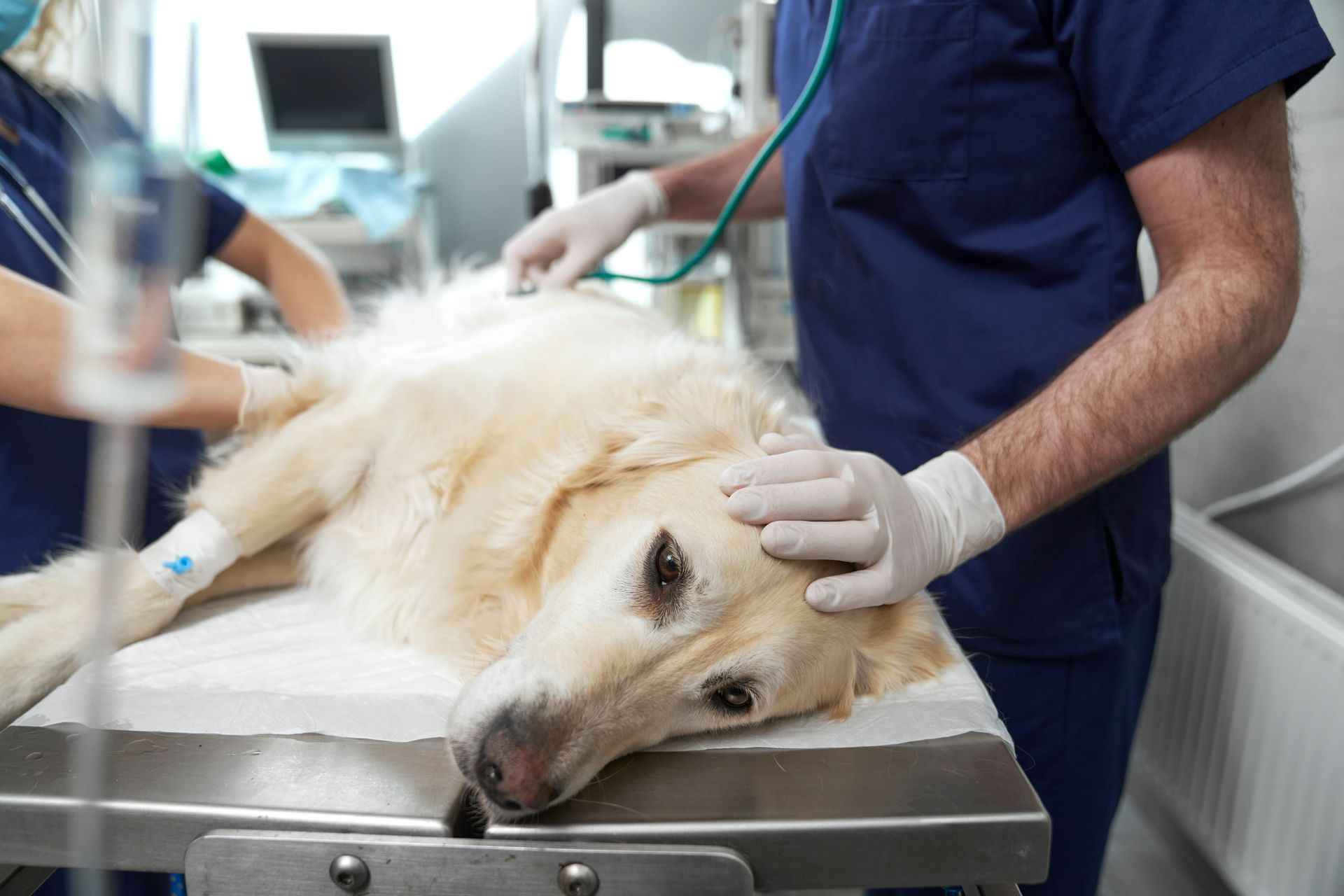
During anesthesia, the veterinary team may monitor heart rate and rhythm, oxygen levels, blood pressure, breathing, and body temperature. An IV catheter provides access for fluids and medications when needed.
The anesthetic plan can also be adjusted based on the dog’s health, procedure, and response during anesthesia.
Monitoring does not eliminate all risk, but it helps the team recognize changes promptly and respond appropriately.
Is Dental Anesthesia Worth Considering in an Old Dog?
Owners often worry about anesthesia when a senior dog needs dental care. However, untreated dental disease can also cause chronic pain, infection, difficulty chewing, and declining quality of life.
A complete dental cleaning and treatment of disease below the gumline generally require anesthesia so the mouth can be examined, cleaned, imaged, and treated safely.
Our Advanced Dental Care services include evaluation and treatment planning for dogs with periodontal disease, painful teeth, infection, or other oral problems.
The decision should balance the anesthetic risk against the consequences of leaving painful dental disease untreated.
What About Anesthesia for Other Surgery?
The same individualized approach applies when a senior dog needs mass removal, orthopedic treatment, abdominal surgery, or another procedure.
The veterinarian considers the type and length of surgery, expected pain, medical history, laboratory results, and any additional diagnostics.
Our Advanced Surgery services support surgical planning when a senior dog needs a procedure requiring anesthesia.
A healthy older dog may have a very different risk profile from a younger dog with significant heart, kidney, or respiratory disease.
What Can Increase Anesthetic Risk?
Factors that may influence risk include heart disease, kidney or liver disease, anemia, dehydration, respiratory disease, obesity, abnormal blood pressure, certain medications, and previous anesthetic complications.
This does not mean every dog with one of these conditions must avoid anesthesia. Instead, these findings help the veterinarian determine whether stabilization, additional diagnostics, or changes to the anesthetic plan are appropriate.
What Should Owners Ask Before the Procedure?
Ask what pre-anesthetic testing is recommended, how your dog will be monitored, what pain control will be used, and what recovery should look like.
Also provide an accurate list of all medications and supplements.
For Copley-area families with an older dog facing dental work or surgery, discussing these questions before the procedure can make the decision clearer and help establish realistic expectations.
Frequently Asked Questions
Is anesthesia safe for an old dog?
Many senior dogs can undergo anesthesia, but no anesthesia is completely risk-free. Age alone does not determine suitability. Individual health and pre-anesthetic findings matter more.
Does my senior dog need bloodwork before anesthesia?
Pre-anesthetic bloodwork is commonly recommended for senior dogs to look for kidney, liver, blood-cell, electrolyte, and other abnormalities that may affect planning.
Can a dog with a heart murmur have anesthesia?
Possibly. A murmur may require additional evaluation such as an echocardiogram before the veterinarian determines the appropriate anesthetic plan.
Is anesthesia necessary for a senior dog dental cleaning?
Proper veterinary dental cleaning and treatment below the gumline generally require anesthesia so the teeth can be safely examined, cleaned, X-rayed, and treated.
Can abnormal bloodwork cancel surgery?
Sometimes a procedure may be delayed, but abnormal results can also lead to additional testing or modifications rather than automatic cancellation.
Discuss Anesthesia for Your Senior Dog
If your senior dog needs dental care or surgery, age should be considered together with their overall health and the benefit of treating the condition.
Call Copley Fairlawn Veterinary Clinic at (234) 400-PETS to schedule a pre-procedure evaluation.
We provide pre-anesthetic assessment, diagnostics, dental care, and surgical planning for senior dogs in Akron, with convenient care for families in Fairlawn and Copley.



Introducing Vello
A Better Way to Stay Connected

Scan the QR code or use the portal login link below to get started.
SHARE THIS