Why Are My Cat’s Gums or Eyes Yellow? What Jaundice Can Mean
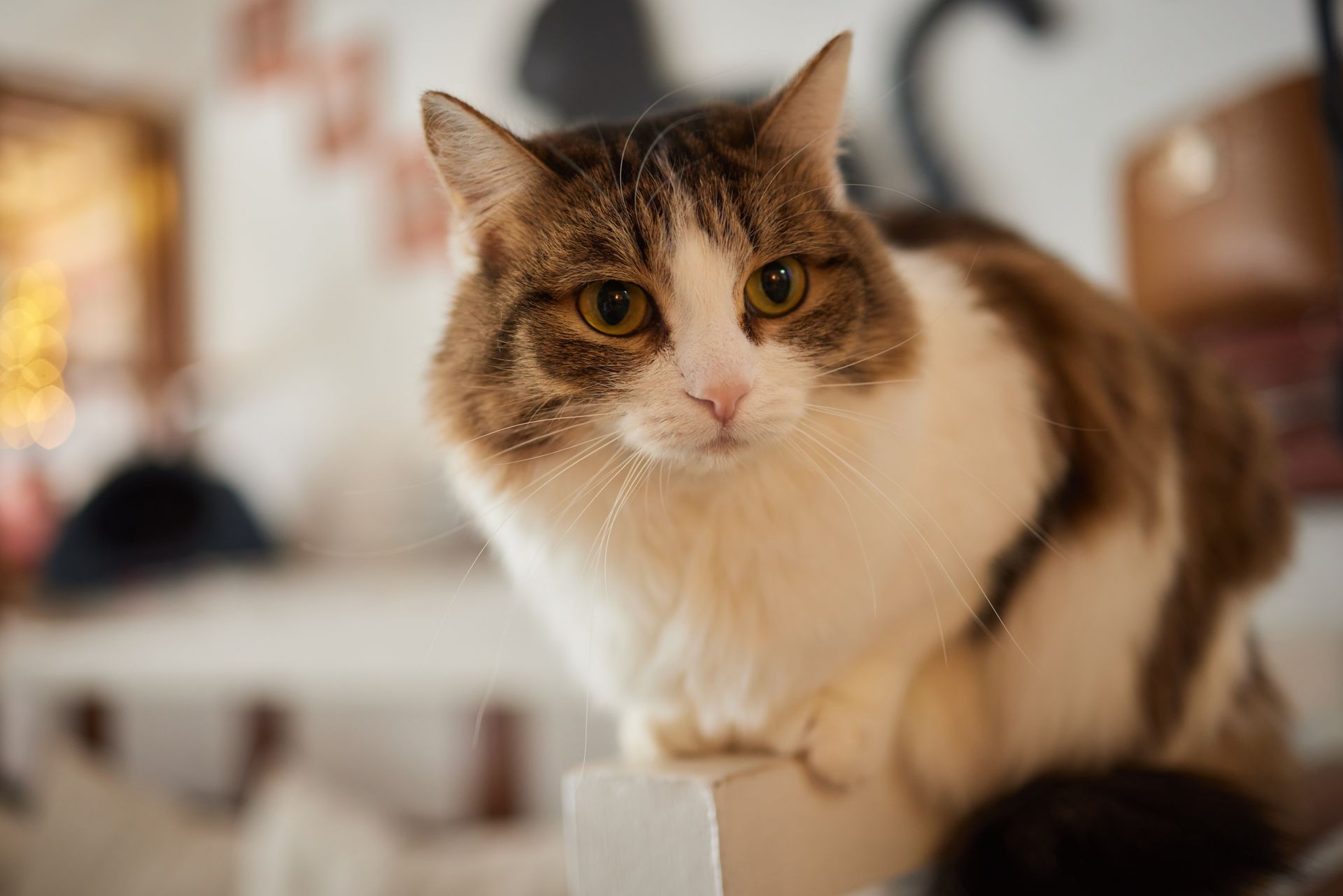
Yellow gums, yellow eye whites, yellow skin, or a yellow tint inside the ears can be signs of jaundice. Jaundice is not a diagnosis. It means bilirubin has accumulated in the body and can occur with liver disease, abnormal breakdown of red blood cells, or problems that prevent bile from flowing normally.
If you notice yellow coloring on your cat, contact a veterinarian promptly. For cat owners in Akron,
Copley Fairlawn Veterinary Clinic can evaluate jaundice with an examination, bloodwork, and abdominal imaging when needed.
What Does Jaundice Look Like in a Cat?
Jaundice, also called icterus, causes normally pale or white tissues to develop a yellow tint.
It may be easiest to notice on the gums, whites of the eyes, inner ears, or areas of skin with less fur. The color may be subtle at first and become more obvious as bilirubin levels increase.
Other symptoms may include poor appetite, vomiting, weight loss, lethargy, fever, or changes in urine or stool.
Cornell notes that yellow coloration of the skin or gums can occur with feline liver and bile-duct disease, including cholangiohepatitis.
Why Does Jaundice Happen?
Veterinarians generally think about jaundice in three broad categories.
The first involves excessive breakdown of red blood cells. When red blood cells are destroyed faster than the liver can process their contents, bilirubin may accumulate.
The second involves disease within the liver itself. Liver inflammation, infection, severe liver dysfunction, and other conditions can interfere with bilirubin processing.
The third involves obstruction of normal bile flow. Problems affecting the gallbladder or bile ducts may prevent bilirubin from leaving the liver normally.
These causes require different treatments, which is why yellow gums alone cannot tell you exactly what disease your cat has.
Could Liver Disease Cause Yellow Gums or Eyes?
Yes. Liver disease is an important cause of jaundice in cats.
Possible liver-related conditions include inflammatory liver disease, infection, hepatic lipidosis, and other disorders affecting normal liver function.
Hepatic lipidosis, sometimes called fatty liver disease, is especially important in cats that have stopped eating. Cornell describes jaundice of the gums or inner ears as one possible sign and emphasizes that an underlying reason for appetite loss should also be identified.
Tell your veterinarian if your cat has recently stopped eating, lost weight, vomited, or become unusually quiet.
Can the Gallbladder or Bile Duct Cause Jaundice?
Yes. Bile normally travels from the liver through the bile ducts and into the digestive tract.
Inflammation of the pancreas, intestines, gallbladder, or bile ducts can interfere with that flow. Foreign material, gallstones, parasites, masses, or other obstruction may also contribute.
Merck notes that complete bile-duct obstruction can be associated with jaundice, vomiting, fever, lethargy, and appetite changes.
Because the liver, gallbladder, pancreas, and intestines are closely connected anatomically, imaging can be particularly useful when jaundice is present.
How Urgently Should I Call the Vet?
Visible jaundice warrants prompt veterinary evaluation even if your cat is still walking around normally.
Seek urgent care if yellow gums or eyes occur with:
- Refusal to eat
- Repeated vomiting
- Severe weakness
- Collapse
- Difficulty breathing
- Pale gums in addition to yellow discoloration
- A swollen or painful abdomen
- Unusual bleeding or bruising
- Significant lethargy or confusion
Our Urgent Veterinary Care services support prompt assessment when a cat develops jaundice or other sudden signs of systemic illness.
Cat owners in Copley who notice a new yellow tint in the gums or eyes should not wait for the discoloration to become more obvious before calling.
What Testing May a Vet Recommend?
The first step is usually a physical examination and blood testing.
A complete blood count can help evaluate red blood cells, anemia, inflammation, and platelets. Blood chemistry testing can assess bilirubin, liver enzymes, proteins, blood sugar, kidney values, and other indicators of internal health.
Urinalysis may provide additional information, and further testing may be recommended based on the initial results.
Our Onsite Diagnostics services can support laboratory evaluation when jaundice, appetite changes, or other signs suggest liver, blood, or systemic disease.
The goal is not simply to confirm that bilirubin is elevated. Testing helps determine why it is elevated.
When Is a Liver Ultrasound Helpful?
Abdominal ultrasound can help evaluate the liver, gallbladder, bile ducts, pancreas, intestines, and other nearby structures.
Ultrasound may identify changes in liver appearance, gallbladder abnormalities, bile-duct dilation, inflammation, masses, or other structural problems. Merck lists ultrasonography among the diagnostic tools used when bile-duct obstruction is suspected.
For owners seeking a
cat liver ultrasound near Fairlawn, our
Ultrasound and Echocardiogram services include abdominal ultrasound when imaging is appropriate based on examination and laboratory findings.
How Is Jaundice Treated?
There is no single treatment for jaundice because jaundice is a symptom, not the underlying disease.
Treatment depends on whether the cause involves red blood cell destruction, liver disease, bile obstruction, infection, inflammation, appetite loss, or another medical problem.
Some cats may need fluids, medications, nutritional support, or close monitoring. Others may require more advanced treatment based on imaging and laboratory findings.
This is why identifying the cause is more important than treating the yellow discoloration itself.
Frequently Asked Questions
Why are my cat’s gums yellow?
Yellow gums can indicate jaundice caused by bilirubin buildup. Possible causes include liver disease, red blood cell destruction, or impaired bile flow.
Are yellow eyes in a cat an emergency?
Yellow eyes warrant prompt veterinary evaluation. Urgency increases if your cat is not eating, vomiting, weak, painful, or showing unusual bleeding.
Can a cat become jaundiced from not eating?
Prolonged appetite loss can contribute to hepatic lipidosis, an important liver condition in cats that may cause jaundice.
What blood tests are done for cat jaundice?
Testing may include a complete blood count, chemistry panel, bilirubin measurement, liver values, and other tests based on examination findings.
Does my cat need an ultrasound for jaundice?
Not every cat does, but abdominal ultrasound may be recommended to examine the liver, gallbladder, bile ducts, pancreas, and surrounding organs.
Schedule a Jaundice Evaluation
If your cat’s gums, eyes, ears, or skin appear yellow, contact a veterinarian promptly.
Call Copley Fairlawn Veterinary Clinic at (234) 400-PETS to ask about an evaluation.
We provide urgent assessment, onsite diagnostic testing, and abdominal ultrasound for cats in Akron, with care available to families from Fairlawn and Copley.


Introducing Vello
A Better Way to Stay Connected

Scan the QR code or use the portal login link below to get started.
SHARE THIS