Can a Dog Live Normally on Three Legs? When Amputation Is Recommended
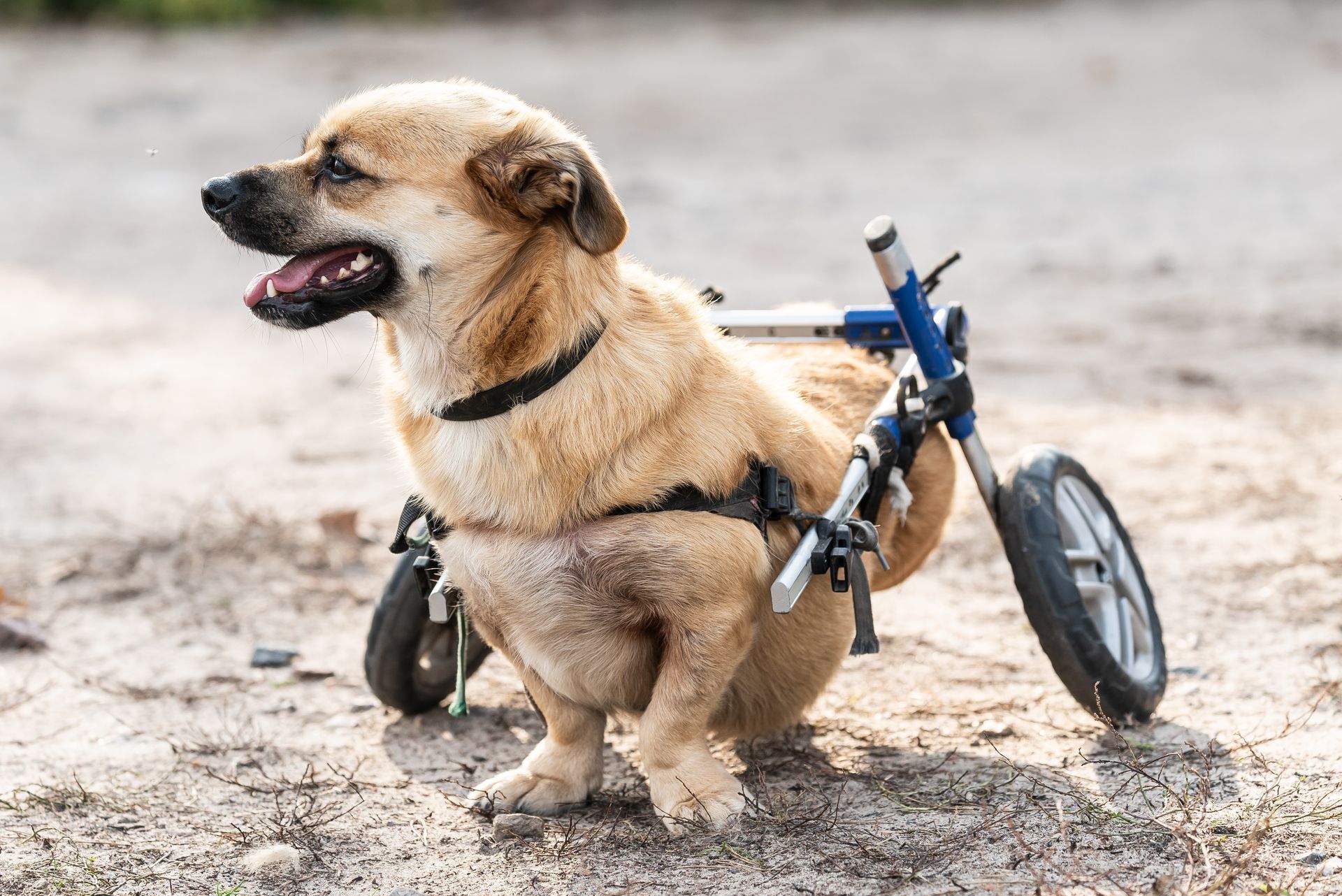
Yes, many dogs can adapt very well to life on three legs after amputation. The decision is not based only on whether a leg can be saved. Veterinarians also consider pain, function, the health of the remaining limbs, body condition, age, overall health, and whether removing the affected limb could improve quality of life.
For dog owners in Akron,
Copley Fairlawn Veterinary Clinic
can evaluate a painful or severely damaged limb and discuss whether treatment, continued management, or limb amputation is appropriate.
When Does a Dog Need Amputation?
Dog limb amputation may be recommended when a leg is causing significant pain or can no longer function normally and other treatment options are unlikely to provide a comfortable result.
Possible reasons include severe trauma, an injury that cannot be repaired, certain bone tumors, serious infection, a nonfunctional limb, severe nerve damage, or a painful condition that has not responded to other treatment.
The goal is not simply to remove a limb. The goal is to eliminate a major source of pain or disease when doing so is expected to provide better function and comfort.
Our
Advanced Surgery services include surgical treatment planning for dogs whose conditions may require limb amputation.
Can Dogs Really Adapt to Three Legs?
Most dogs can redistribute their weight and learn a new walking pattern after losing a limb.
Some dogs are already barely using the affected leg before surgery because it is painful or nonfunctional. For these dogs, the transition may be easier than owners expect because they have already begun relying on the other three limbs.
Dogs may still walk, play, go outside, and participate in normal family activities after recovery. Individual ability varies, so the veterinarian evaluates the whole dog before recommending surgery.
A dog’s quality of life depends more on comfort and mobility than on having four limbs.
What Factors Affect Whether My Dog Is a Good Candidate?
The health of the remaining legs is especially important. After amputation, those limbs carry additional weight and workload.
Your veterinarian may evaluate for arthritis, cruciate ligament problems, hip disease, neurologic weakness, or other orthopedic concerns before surgery.
Body weight also matters. Keeping a three-legged dog lean can reduce unnecessary stress on the remaining joints.
Age alone does not automatically rule out amputation. A senior dog with good function in the remaining limbs may sometimes adapt better than a younger dog with severe orthopedic disease affecting multiple legs.
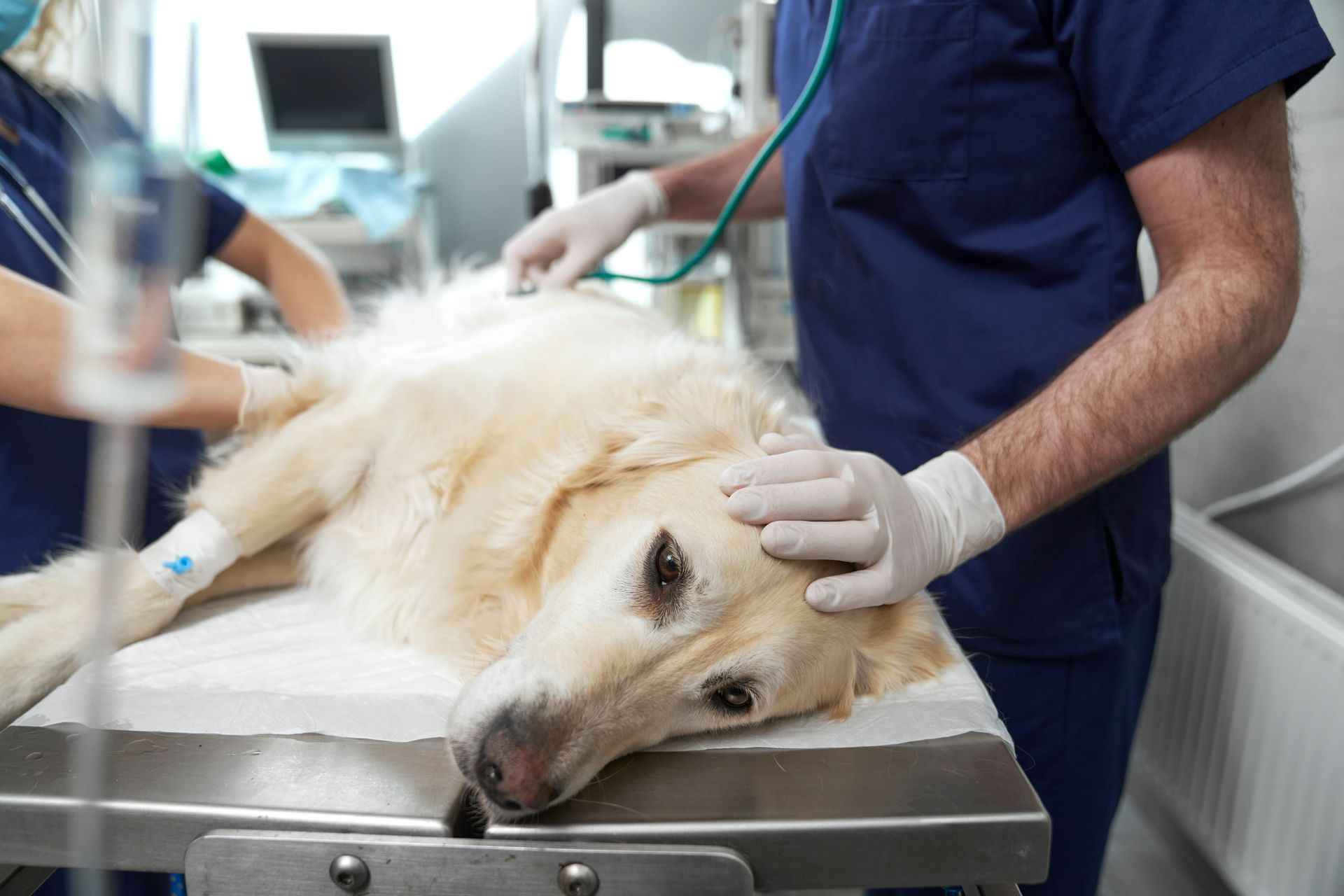
Routine Wellness Exams can help assess body condition, mobility, joint health, and other factors that influence long-term comfort.
For Copley-area families considering a major surgery, this whole-patient assessment helps answer the more important question: how comfortable and functional is the dog likely to be afterward?
How Do X-Rays Help Before Amputation?
Imaging may be recommended to evaluate the damaged or diseased limb and the joints or bones that will remain.
If cancer is suspected, additional chest or abdominal imaging may also be recommended depending on the type of disease and treatment plan.
Our Advanced Digital X-Rays can support evaluation of fractures, bone changes, joint health, and other findings that may influence surgical planning.
The exact testing depends on why amputation is being considered.
What Happens During Dog Limb Amputation?
The surgical approach depends on whether a front or rear limb is affected and where the disease or injury is located.
In many cases, the limb is removed high enough to avoid leaving a portion that could interfere with movement or become repeatedly injured.
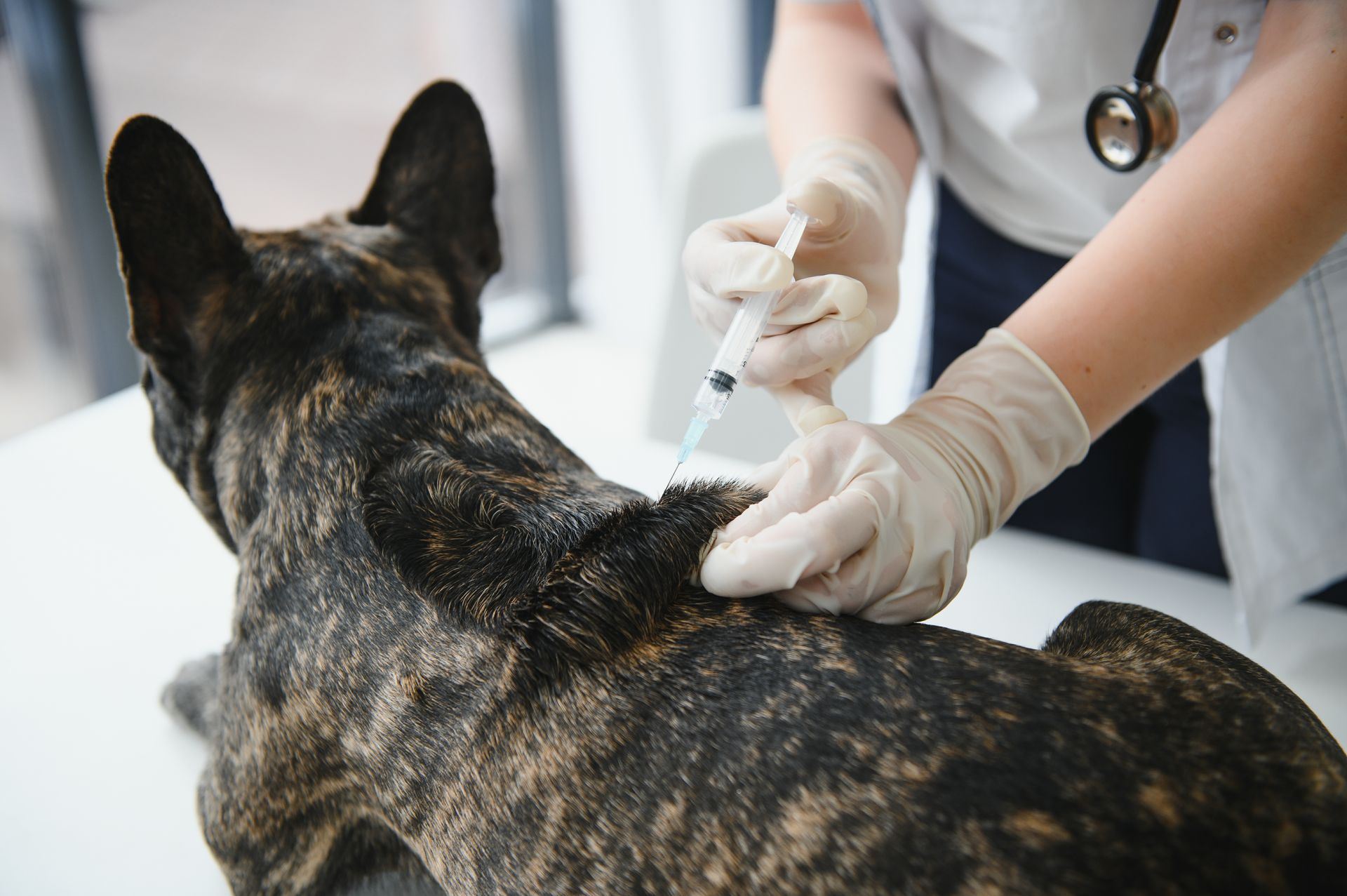
Your dog receives anesthesia and pain management during surgery. The surgical site is then carefully closed and monitored during recovery.
Dog owners seeking dog amputation in Akron should expect a pre-surgical discussion covering the reason for surgery, anesthetic evaluation, pain control, recovery, and home support.
What Is Dog Amputation Recovery Like?
The first part of recovery focuses on pain control, incision protection, and helping the dog regain balance and confidence.
Some dogs begin standing and walking relatively soon after surgery, while others need more assistance initially.
At home, slippery floors and stairs can be challenging. Rugs or traction mats may help, and a support sling may be useful during early recovery if recommended.
Activity should be restricted according to discharge instructions while the incision heals. An e-collar is commonly used to prevent licking or chewing.
Families considering
amputation surgery for a dog near Fairlawn should also plan for a quiet recovery area with easy access to food, water, and outdoor bathroom breaks.
What Problems Should I Watch for During Recovery?
Contact the veterinary team if you notice increasing redness, swelling, discharge, bleeding, incision opening, worsening pain, poor appetite, or difficulty getting up.
Some bruising or swelling can occur after surgery, but it should be monitored closely.
As healing progresses, controlled walking helps a dog build strength and become more confident using three legs. The pace should be based on the individual dog and the veterinary team’s instructions.
Will My Dog Need Long-Term Lifestyle Changes?
Many three-legged dogs eventually return to a high level of normal activity.
Maintaining a healthy weight becomes particularly important because excess weight places additional stress on the remaining limbs.
Regular nail care, good traction at home, appropriate exercise, and monitoring for arthritis or joint discomfort can also support long-term mobility.
Some dogs may need changes such as ramps, fewer stairs, or lower-impact exercise as they age.
Frequently Asked Questions
Can dogs live a normal life with three legs?
Many dogs adapt very well and return to walking, playing, and normal household activities after recovery.
When does a dog need amputation?
Amputation may be recommended for severe trauma, certain tumors, nonfunctional limbs, serious infection, or persistent pain that cannot be adequately managed another way.
Is amputation harder for a front leg or back leg?
Either can be successfully managed, but front legs normally carry more body weight. The veterinarian evaluates the remaining limbs and overall mobility before recommending surgery.
How long does dog amputation recovery take?
Recovery varies by dog and reason for surgery. Incision healing, balance, strength, age, and other orthopedic conditions all affect the timeline.
Can an older dog adapt to three legs?
Yes, some senior dogs adapt very well. Age alone is less important than overall health, body condition, comfort, and strength in the remaining limbs.
Schedule an Amputation Consultation
If your dog has a severely damaged, painful, or nonfunctional limb, an examination can help determine whether amputation could improve comfort and quality of life.
Call Copley Fairlawn Veterinary Clinic at (234) 400-PETS to schedule a surgical evaluation.
We provide advanced surgical assessment and diagnostic imaging for dogs in Akron, with care for families in Fairlawn and Copley.


Introducing Vello
A Better Way to Stay Connected

Scan the QR code or use the portal login link below to get started.
SHARE THIS