Do Indoor Cats Need Vaccines? What Owners Should Know
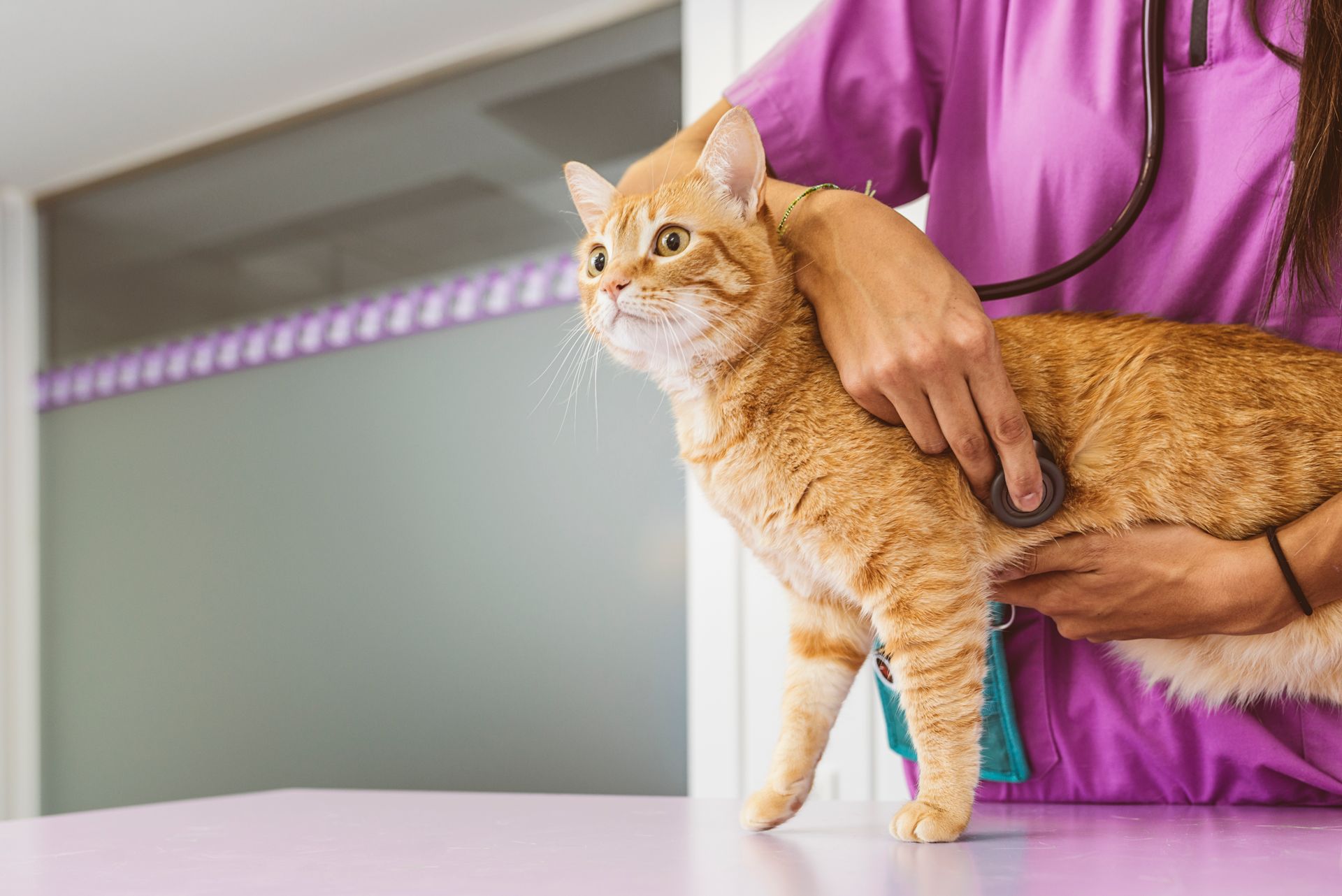
Many cat owners assume that indoor cats do not need vaccines because they are protected from outdoor exposure. While indoor cats generally face lower risk than outdoor cats, vaccination still plays an important role in long-term preventive care.
For many families in Akron, Fairlawn, and Copley, this question comes up during annual wellness visits, especially when cats spend nearly all of their time indoors. At Copley Fairlawn Veterinary Clinic, we help owners understand which vaccines remain important for indoor cats and how vaccination recommendations are tailored to individual lifestyle and risk.
The goal of vaccination is not simply meeting requirements. It is helping protect cats from preventable diseases that may still be encountered unexpectedly.
Why Indoor Cats Still Have Exposure Risk
Even indoor cats are not completely isolated from infectious disease exposure.
Cats may still encounter risk through:
- Open doors or accidental escapes
- Boarding or grooming visits
- New pets entering the home
- Exposure carried indoors on clothing or objects
- Veterinary visits
Some viruses are highly contagious and survive in the environment for extended periods.
Because exposure can occur unexpectedly, preventive vaccination remains important even for cats that rarely leave the home.
Core Vaccines for Indoor Cats
Veterinarians divide feline vaccines into core and lifestyle-based categories.
Core vaccines are recommended for most cats because the diseases are widespread, severe, or pose public health concerns.
Core vaccines commonly include:
- Rabies vaccine
- FVRCP vaccine
The FVRCP vaccine helps protect against feline viral rhinotracheitis, calicivirus, and panleukopenia.
These diseases can cause serious respiratory illness, fever, and gastrointestinal disease, particularly in kittens or vulnerable cats.
Do Indoor Cats Need a Rabies Vaccine?
This is one of the most common questions owners ask.
Even indoor cats are generally recommended to remain current on rabies vaccination. Rabies is fatal and also carries public health significance.
Bats occasionally enter homes unexpectedly, even in suburban indoor environments. In Ohio, rabies vaccination recommendations and legal requirements may still apply regardless of lifestyle.
Rabies vaccination also becomes important if a cat ever bites someone or unexpectedly escapes outdoors.
What About Other Vaccines?
Some vaccines depend more heavily on lifestyle and exposure risk.
Cats that board, travel, live with multiple cats, or have outdoor access may benefit from additional protection.
During Wellness Exams, vaccine recommendations are adjusted based on your cat’s:
- Age
- Medical history
- Lifestyle
- Exposure risk
- Household environment
The goal is to avoid unnecessary vaccination while still maintaining appropriate protection.
Kittens Need Vaccines Even if They Will Live Indoors
Indoor-only kittens still require their initial vaccine series.
Kittens are especially vulnerable because their immune systems are still developing. Early vaccination helps build protection during this high-risk period.
Vaccine schedules are carefully timed to provide immunity as maternal antibodies decline.
Many indoor cat owners in Akron, Fairlawn, and Copley begin preventive care early to help establish long-term health monitoring and disease prevention.
How Often Do Indoor Cats Need Vaccines?
Vaccine schedules vary depending on:
- Age
- Previous vaccine history
- Type of vaccine
- Lifestyle risk factors
Some vaccines require annual boosters, while others may be administered less frequently after the initial series.
Your veterinarian will recommend an individualized schedule based on current preventive care guidelines.
Routine
Vaccinations are often combined with annual examinations to evaluate overall health at the same visit.
Wellness Care Is About More Than Vaccines
Annual preventive visits are important even beyond vaccination needs.
Cats naturally hide illness well, and many chronic diseases begin with subtle signs that owners may not notice at home.
Routine preventive visits allow monitoring for:
- Weight changes
- Dental disease
- Kidney disease
- Thyroid disease
- Arthritis
- Behavioral changes
Our Preventative Care services focus on identifying health concerns early before they become more advanced.
Can Indoor Cats Skip Vet Visits?
Indoor cats still benefit from routine veterinary care throughout life.
Many medical conditions, especially in senior cats, develop gradually and may not become obvious until disease is advanced.
Regular examinations allow earlier diagnosis, improved long-term management, and better quality of life.
Preventive care also creates baseline health records that become valuable if illness develops later.
Frequently Asked Questions
Do indoor cats really need vaccines?
Yes. Even indoor cats may still encounter exposure risks, and core vaccines help protect against serious disease.
Does my indoor cat need a rabies vaccine?
Rabies vaccination is generally recommended even for indoor cats due to legal requirements and unexpected exposure risk.
What vaccines do indoor cats need?
Most indoor cats are recommended to receive core vaccines such as rabies and FVRCP.
How often do indoor cats need shots?
Frequency depends on age, vaccine history, and lifestyle. Your veterinarian will recommend an individualized schedule.
Can indoor cats get diseases without going outside?
Yes. Some viruses can spread indirectly or enter the home unexpectedly through people, animals, or environmental exposure.
Schedule a Preventive Care Visit
If you have questions about vaccines for your indoor cat, preventive evaluation can help determine which recommendations best fit your cat’s lifestyle and health needs.
Call Copley Fairlawn Veterinary Clinic at (234) 400-PETS to schedule an examination.
We provide preventive care and vaccination services for cats in Akron and serve families from Fairlawn and Copley.
Routine wellness care helps protect long-term health and allows medical concerns to be identified earlier.





Introducing Vello
A Better Way to Stay Connected

Scan the QR code or use the portal login link below to get started.
SHARE THIS