Cherry Eye in Dogs: When Surgery Is Recommended
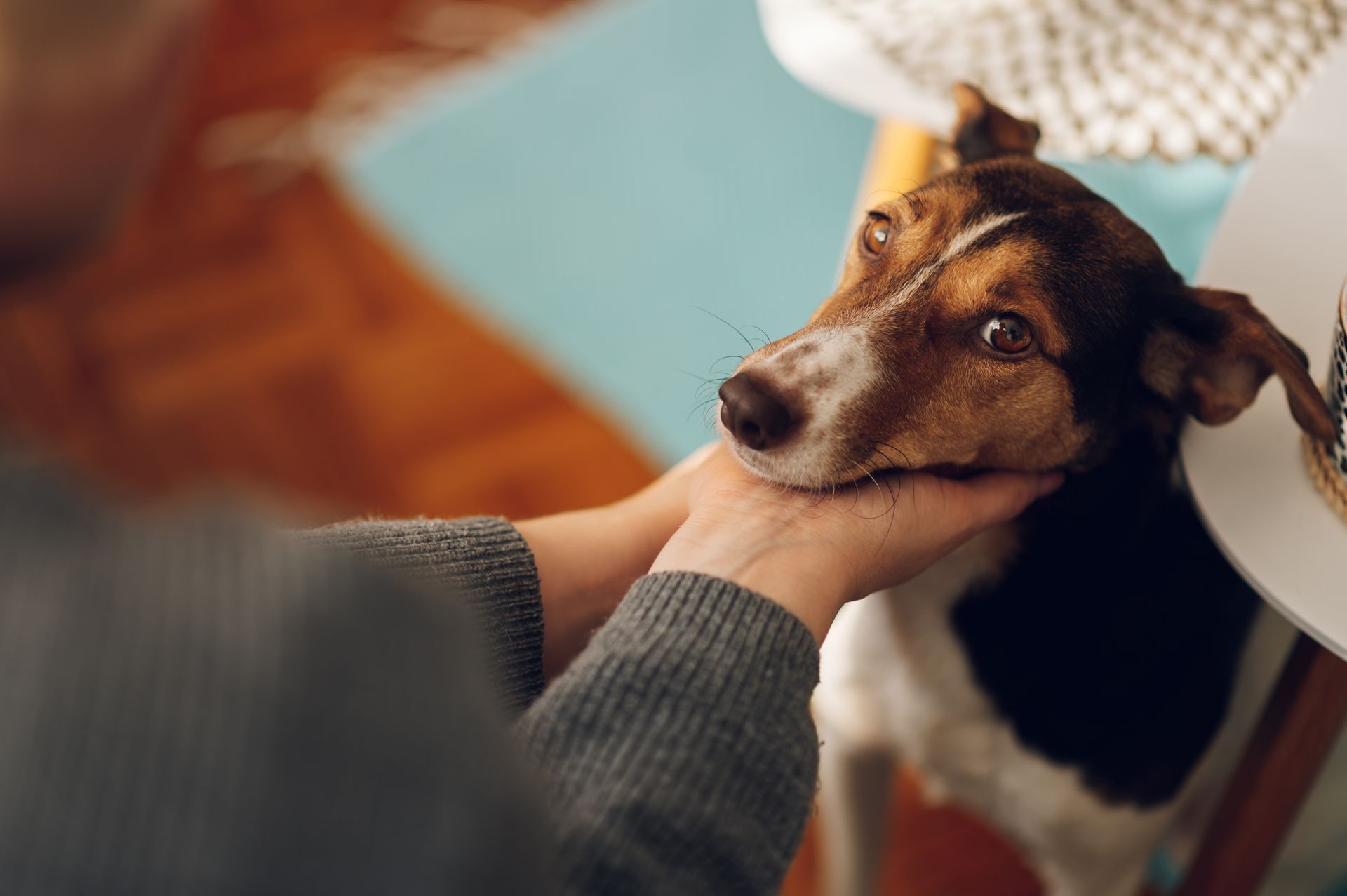
Cherry eye in dogs is a visible eye condition that often appears as a red or pink lump near the inner corner of the eye. It can look sudden and concerning, especially in puppies or young dogs.
The condition occurs when the gland of the third eyelid moves out of its normal position. This gland plays an important role in tear production, so treatment focuses on preserving function while correcting the position of the tissue.
For families in Akron, Fairlawn, and Copley, cherry eye is a common reason for veterinary evaluation when a dog develops a noticeable red lump in the eye. At
Copley Fairlawn Veterinary Clinic, we assess the eye, check for irritation or dryness, and discuss whether surgical correction is appropriate.
What Cherry Eye Looks Like
Cherry eye usually appears as a rounded red, pink, or swollen mass at the inner corner of the eye. Some owners describe it as a small bubble or lump that seems to appear suddenly.
It may affect one eye or both eyes. In some dogs, the tissue remains visible all the time. In others, it may appear intermittently, especially when the dog is tired, excited, or rubbing the face.
The eye may also look irritated, watery, or slightly inflamed. Some dogs paw at the eye or rub the face on furniture or carpet.
A red lump in a dog’s eye should be evaluated because other eye conditions can look similar and may require different treatment.
Why Cherry Eye Happens
Dogs have a third eyelid, also called the nictitating membrane. This structure contains a tear-producing gland that normally stays tucked behind the third eyelid.
Cherry eye happens when the tissue holding that gland in place weakens or stretches. The gland then protrudes and becomes visible.
Certain breeds are more predisposed, including Bulldogs, Cocker Spaniels, Beagles, Boston Terriers, Shih Tzus, Lhasa Apsos, and other breeds with inherited eyelid or facial structure tendencies.
Puppy cherry eye is common because the condition often appears early in life.
Is Cherry Eye Painful?
Cherry eye may not always be severely painful at first, but it can cause irritation, inflammation, and eye discomfort. The exposed gland may become dry, swollen, or damaged from rubbing.
Dogs may squint, tear more than usual, paw at the eye, or develop redness around the surrounding tissues.
Even if your dog seems comfortable, evaluation is still recommended because the gland contributes to tear production. Long-term gland irritation can increase the risk of dry eye or chronic inflammation.
Can Cherry Eye Go Away on Its Own?
Cherry eye may temporarily reduce in size or move back into place in some dogs, but it often returns. Once the supporting tissue is weakened, the gland usually remains prone to prolapse.
Home treatment does not correct the underlying structural problem. Eye drops may reduce irritation or inflammation, but they typically do not provide permanent correction.
If cherry eye is persistent or recurrent, surgery is often discussed.
When Cherry Eye Surgery Is Recommended
Cherry eye surgery is generally recommended when the gland remains prolapsed, returns repeatedly, causes irritation, or affects eye comfort.
The goal of surgery is to reposition and secure the gland rather than remove it. Preserving the gland is important because it contributes to normal tear production.
Removing the gland is generally avoided when possible because it may increase the risk of dry eye later in life.
Our Eye/Ear/Airway Surgery services support treatment for eye conditions that may require surgical correction, including cherry eye.
What Happens During Surgery
Cherry eye surgery is performed under anesthesia. The surgeon creates a pocket or support structure to reposition the gland and hold it closer to its normal location.
The specific technique depends on the eye, the dog’s anatomy, and the surgeon’s recommendation.
The procedure is designed to reduce exposure of the gland, improve comfort, and help preserve tear production.
Some dogs may need both eyes addressed if cherry eye develops bilaterally. If only one eye is affected, the other eye may still be monitored over time.
Recovery After Cherry Eye Surgery
Recovery usually involves eye medication, activity restriction, and preventing rubbing or scratching. An e-collar is often needed to protect the surgical site while healing occurs.
Mild swelling or redness may occur after surgery and should improve with time. Follow-up visits allow the veterinary team to check healing and confirm the gland remains properly positioned.
Owners should monitor for increased redness, discharge, squinting, rubbing, or the lump returning.
Most dogs return to normal routines after healing, but the eye must be protected carefully during recovery.
Can Cherry Eye Come Back?
Cherry eye can recur after surgery, although surgical correction is intended to reduce that risk. Recurrence depends on tissue strength, inflammation, breed predisposition, and whether the dog rubs or irritates the eye during healing.
If recurrence occurs, revision surgery may be discussed.
Prompt treatment of irritation and careful post-operative care help support the best outcome.
When Eye Symptoms Are Urgent
Cherry eye itself is not always an emergency, but some eye symptoms should be treated promptly.
Call for guidance if your dog is squinting severely, cannot open the eye, has thick discharge, develops sudden cloudiness, is pawing aggressively at the eye, or seems painful.
Our
Emergency Vet services can help when an eye problem appears painful, sudden, or severe.
Wellness and Early Eye Evaluation
Routine Wellness Exams allow early discussion of breed-related eye concerns, especially in puppies and dogs predisposed to cherry eye.
Early evaluation helps determine whether the red lump is cherry eye or another condition that needs different care.
Frequently Asked Questions
What does cherry eye look like in dogs?
Cherry eye usually appears as a red or pink lump near the inner corner of the eye. It may look swollen, rounded, or like a small bubble.
Is cherry eye in dogs painful?
It may not be severely painful at first, but it can cause irritation, tearing, rubbing, redness, and long-term eye discomfort if untreated.
Does cherry eye need surgery?
Surgery is often recommended when the gland remains prolapsed, returns repeatedly, or causes irritation. The goal is usually to reposition the gland, not remove it.
Can puppies get cherry eye?
Yes. Cherry eye commonly appears in puppies and young dogs, especially in predisposed breeds.
Can cherry eye come back after surgery?
Recurrence is possible, but proper surgical correction and careful recovery reduce the risk.
Schedule an Eye Surgery Consultation
If your dog has a red lump near the eye or has been diagnosed with cherry eye, evaluation can help determine whether surgery is recommended.
Call Copley Fairlawn Veterinary Clinic at (234) 400-PETS to schedule an examination.
We provide eye evaluations and cherry eye surgery consultations for dogs in Akron and serve families from Fairlawn and Copley.
Early treatment helps protect eye comfort, tear production, and long-term eye health.

Introducing Vello
A Better Way to Stay Connected

Scan the QR code or use the portal login link below to get started.
SHARE THIS