Dog Suddenly Peeing in the House: Medical Problem or Behavior Issue?
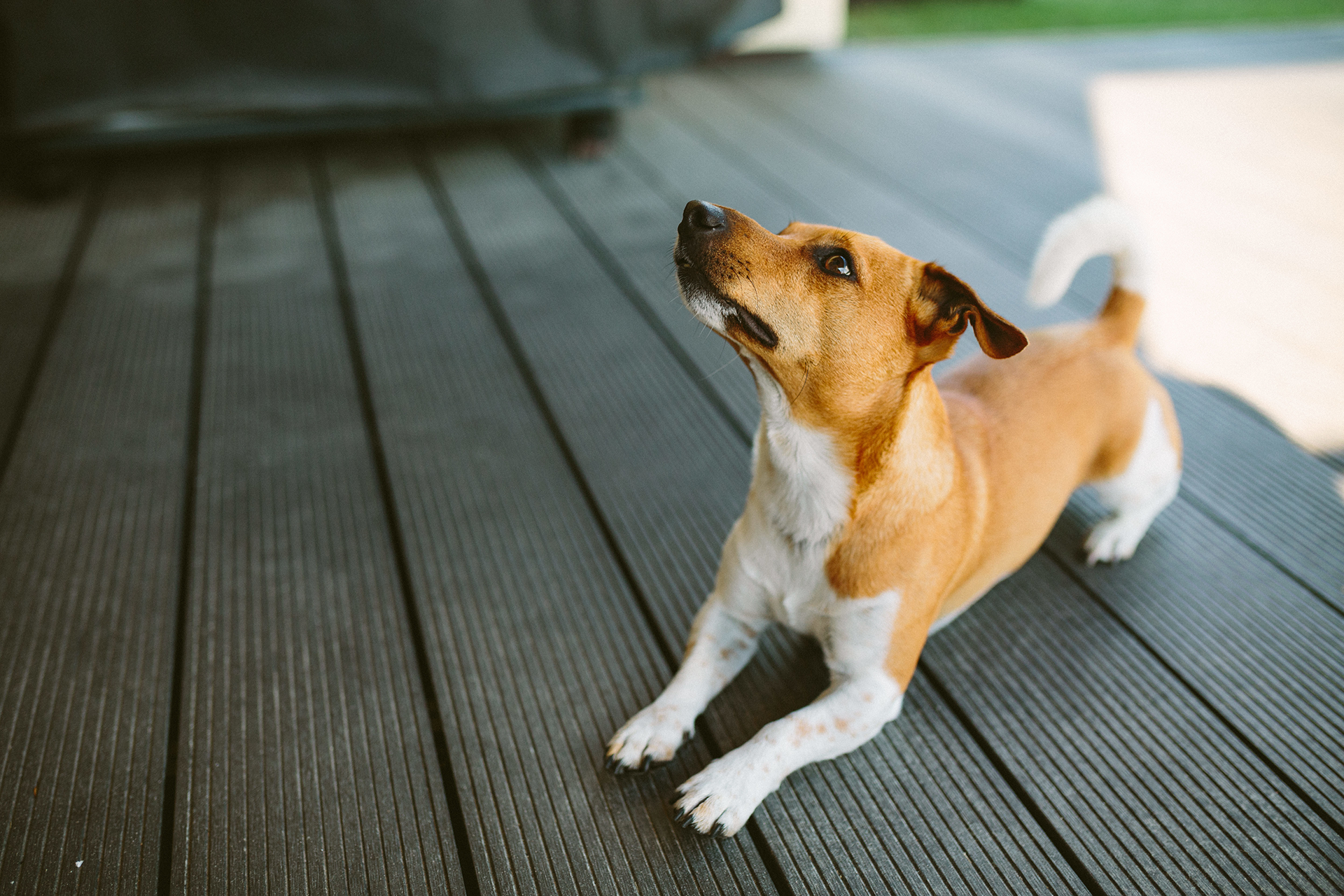
When a dog who is normally house-trained starts peeing in the house suddenly, it can be frustrating and concerning. Some owners assume it is a behavior problem, but sudden indoor urination often has a medical cause that should be checked first.
Dogs may urinate indoors because of urinary tract infection, bladder inflammation, kidney disease, diabetes, incontinence, arthritis, pain, anxiety, or changes in routine. The key is identifying whether the problem is medical, behavioral, or a combination of both.
For families in Akron, Fairlawn, and Copley, sudden house accidents are a common reason for veterinary visits. At
Copley Fairlawn Veterinary Clinic, we evaluate changes in urination by first looking for medical causes before focusing only on training or behavior.
Why a Dog May Suddenly Pee in the House
A sudden change in bathroom habits usually means something has changed physically, emotionally, or environmentally.
A dog may begin urinating indoors because they feel urgency, discomfort, weakness, confusion, or stress. Some dogs cannot hold urine as long as they used to. Others may feel the need to urinate more frequently because of inflammation or increased urine production.
If your dog has been reliably house-trained and suddenly starts having accidents, it is best not to assume they are being stubborn or disobedient.
Common Medical Causes
Medical causes are common when a dog starts peeing in the house suddenly.
A urinary tract infection can cause urgency, frequent urination, and accidents. Dogs with bladder inflammation may feel the need to urinate even when only small amounts come out. Bladder stones can also irritate the urinary tract and may cause blood in the urine or repeated attempts to urinate.
Kidney disease and diabetes can cause dogs to produce more urine than usual. When urine volume increases, dogs may not be able to wait until their next walk.
Hormonal changes, neurologic issues, and age-related incontinence may also contribute, especially in older dogs.
For dogs with urinary discomfort, frequent accidents, or changes in urine output, our
Urinary Care services can help identify whether the issue involves infection, inflammation, stones, incontinence, or another urinary condition.
Older Dog Peeing in the House
When an older dog starts peeing indoors, medical evaluation is especially important.
Senior dogs are more likely to develop kidney disease, diabetes, arthritis, cognitive changes, or urinary incontinence. Arthritis may make it harder for a dog to get up quickly or reach the door in time. Cognitive decline may affect routine habits and awareness.
An older dog having accidents is not necessarily losing training. The behavior may reflect discomfort, increased urine production, reduced mobility, or age-related changes that need support.
Routine
Wellness Exams help identify changes that may affect bathroom habits in senior dogs.
Dog Incontinence vs Frequent Urination
Incontinence and frequent urination are different problems.
A dog with incontinence may leak urine while sleeping or resting. They may not seem aware that it is happening. This is common in some older dogs and may be related to weakened bladder control.
A dog with frequent urination usually knows they need to go but cannot hold it long enough. They may ask to go out more often, urinate small amounts repeatedly, or have accidents near the door.
Knowing which pattern is happening helps guide diagnosis.
Behavior and Stress-Related Causes
If medical causes are ruled out, behavior and environment should be reviewed.
Dogs may have accidents due to anxiety, changes in routine, new pets, moving homes, schedule disruptions, or incomplete house training. Marking behavior may also occur, especially when a dog urinates small amounts on vertical surfaces or new objects.
Behavioral causes are real, but they should not be assumed before medical concerns are checked. If behavior is contributing, our Behavior Management services can help identify stressors, routine changes, and environmental factors that may be reinforcing indoor accidents.
When to Call a Vet
Veterinary evaluation is recommended if indoor urination begins suddenly, continues for more than a day, or is accompanied by other changes.
Call promptly if your dog has blood in the urine, seems painful while urinating, strains to urinate, drinks more water than usual, urinates very frequently, seems lethargic, or has accidents while sleeping.
If a dog is trying to urinate but little or no urine comes out, this can be urgent and should not wait.
What Testing May Include
When a dog is suddenly peeing in the house, testing usually begins with a physical examination and urine testing.
A urinalysis can check urine concentration, blood, bacteria, crystals, glucose, and signs of inflammation. A urine culture may be recommended if infection is suspected.
Bloodwork may be advised if your dog is older, drinking more water, losing weight, or showing changes in appetite or energy. Blood testing helps evaluate kidney function, blood sugar, liver values, and overall health.
Diagnostic testing through our
Onsite Diagnostics services helps identify whether a medical condition is causing the accidents.
How Treatment Depends on the Cause
Treatment depends on the diagnosis.
A urinary tract infection may require antibiotics based on testing. Bladder inflammation may need pain control, hydration support, and monitoring. Diabetes, kidney disease, or hormonal incontinence require longer-term management.
If behavior is the primary cause, treatment may include schedule adjustments, training changes, environmental management, and reducing stress triggers.
The most effective plan starts with understanding why the accidents are happening.
Frequently Asked Questions
Why is my dog suddenly peeing in the house?
Sudden indoor urination may be caused by urinary tract infection, bladder inflammation, diabetes, kidney disease, incontinence, arthritis, stress, or behavior changes. A veterinary exam helps identify the cause.
Could my dog have a UTI if they are having accidents?
Yes. UTIs can cause urgency, frequent urination, blood in the urine, and house accidents. Urinalysis is needed to confirm whether infection is present.
Why is my older dog peeing in the house?
Older dogs may have accidents due to incontinence, kidney disease, diabetes, arthritis, cognitive changes, or reduced bladder control. Senior dogs should be evaluated when accidents begin suddenly.
Is my dog peeing inside because of behavior?
Behavior can contribute, especially with stress or routine changes, but medical causes should be ruled out first. Many urinary problems look behavioral at home.
When is dog urinating indoors urgent?
It is urgent if your dog is straining, producing little or no urine, showing blood in the urine, acting weak, vomiting, or appearing painful while trying to urinate.
Schedule an Exam for Sudden House Accidents
If your dog is suddenly peeing in the house, early evaluation can help determine whether the cause is medical, behavioral, or both.
Call Copley Fairlawn Veterinary Clinic at (234) 400-PETS to schedule an examination.
We provide urinary evaluation, diagnostics, wellness care, and behavior guidance for dogs in Akron and serve families from Fairlawn and Copley.
Finding the cause early helps protect your dog’s comfort and makes it easier to restore normal bathroom habits.

Introducing Vello
A Better Way to Stay Connected

Scan the QR code or use the portal login link below to get started.
SHARE THIS