Dog Ear Hematoma
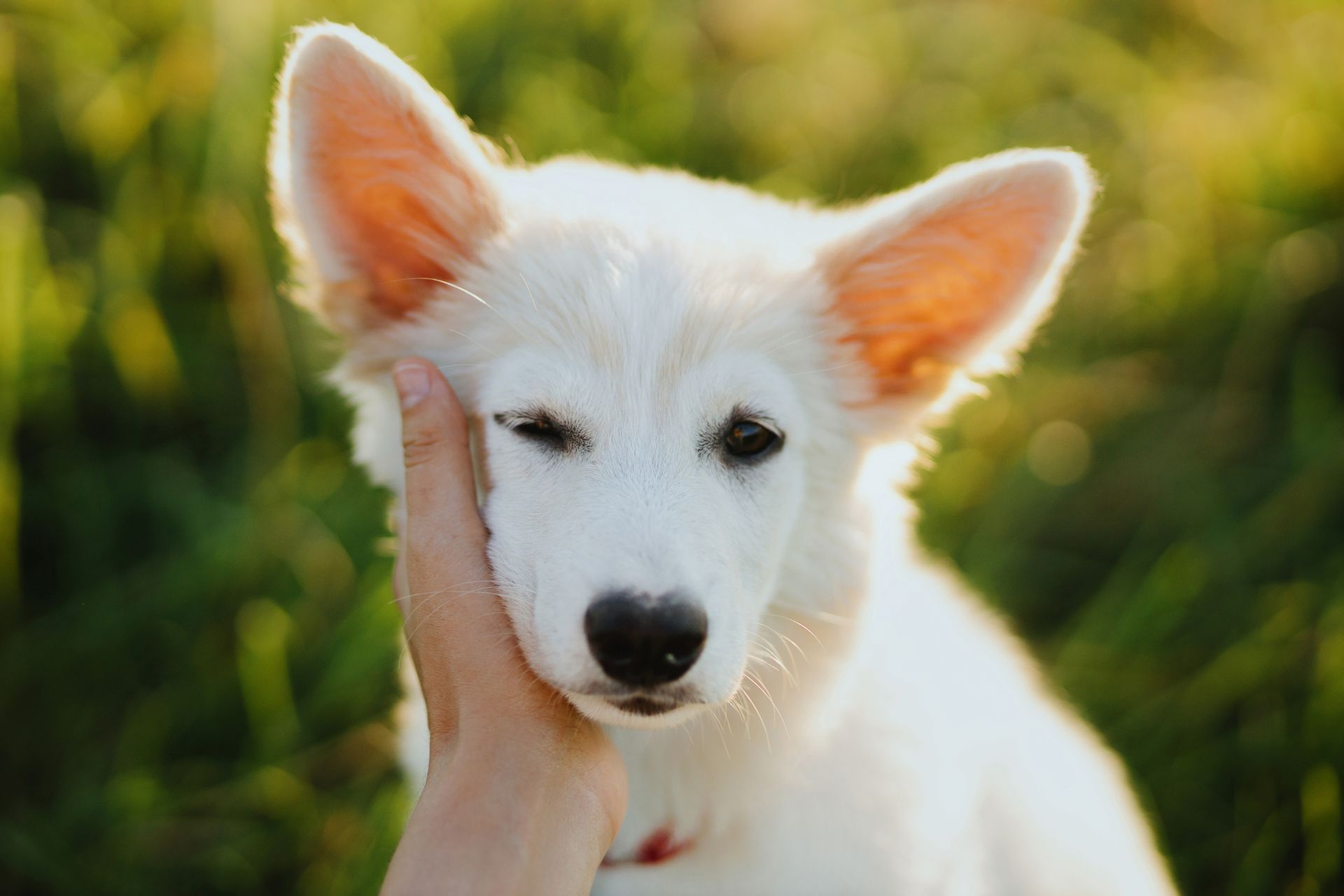
A swollen, blood-filled ear flap can be alarming to see. If your dog’s ear suddenly looks puffy, soft, thick, or balloon-like, an aural hematoma may be the cause.
An aural hematoma forms when blood collects between the layers of the ear flap. This often happens after repeated head shaking or scratching damages small blood vessels inside the ear. The swelling may involve part of the ear flap or nearly the entire ear.
For families in Akron, Fairlawn, and Copley, a dog ear hematoma is a common reason for urgent veterinary visits. At
Copley Fairlawn Veterinary Clinic, we evaluate the swelling itself and also look for the underlying reason your dog is shaking or scratching.
What an Ear Hematoma Looks Like
An ear hematoma usually causes visible swelling of the ear flap. The affected ear may look thick, rounded, or filled with fluid. It may feel soft, warm, or firm depending on how much blood has collected and how long the swelling has been present.
Many dogs also show signs of ear discomfort. They may shake their head, scratch at the ear, hold the ear differently, or resist having the area touched.
A dog swollen ear flap should be evaluated because the swelling can be painful and may worsen if the underlying ear problem continues.
Why Aural Hematomas Happen
Aural hematomas often develop after repeated head shaking or scratching. The movement causes small blood vessels in the ear flap to rupture, allowing blood to pool under the skin.
Common triggers include ear infections, allergies, ear mites, foreign material in the ear canal, skin irritation, or trauma. Some dogs with floppy ears may be more noticeable when swelling develops because the ear flap changes shape quickly.
The hematoma is usually not the original problem. It is often a result of irritation deeper in or around the ear.
Why the Underlying Ear Problem Matters
Treating only the swelling without identifying the cause may lead to recurrence.
If an ear infection is present, your dog may continue shaking the head after the hematoma is drained or repaired. If allergies are driving chronic ear inflammation, the ear may remain itchy unless the allergy component is managed.
During the exam, your veterinarian will inspect the ear canal when possible and check for discharge, odor, redness, debris, or pain. Testing may be recommended to identify bacteria, yeast, mites, or inflammation.
Routine
Wellness Exams can also help identify recurring ear inflammation before it progresses into more painful problems.
Is a Dog Ear Hematoma an Emergency?
An ear hematoma is usually not life threatening, but it should not be ignored. The swelling can be painful, and untreated hematomas may heal with scarring or permanent thickening of the ear flap.
Same-day or prompt care is recommended if the swelling appears suddenly, your dog is very painful, there is heavy head shaking, the ear canal has discharge or odor, or your dog seems unable to settle.
If the ear is bleeding, severely painful, or associated with trauma, urgent care is appropriate.
Our
Emergency Vet services can help when ear swelling, pain, or injury develops suddenly.
Drainage vs Surgery
Treatment depends on the size of the hematoma, how long it has been present, the condition of the ear, and whether the problem has happened before.
Simple drainage may temporarily reduce swelling, but hematomas often refill if the space inside the ear flap is not controlled. In some cases, drainage may be used as part of the treatment plan, but it may not provide a lasting solution on its own.
Surgery is commonly recommended when the hematoma is large, painful, recurrent, or likely to cause ear deformity. Surgical treatment usually involves draining the blood and placing sutures to help the ear flap heal flat and reduce the chance of fluid returning.
Our Eye/Ear/Airway Surgery services support treatment for ear conditions that may need surgical repair or advanced management.
What Treatment May Include
At the visit, your veterinarian will examine the ear flap and ear canal. If infection or inflammation is present, ear medication may be prescribed. Pain control may also be recommended because hematomas can be uncomfortable.
If surgery is needed, your dog may require anesthesia or sedation. The ear is treated to remove the trapped blood and reduce the pocket where fluid has collected. Sutures or a protective bandage may be used depending on the technique.
The treatment plan is based on your dog’s comfort, ear health, and recurrence risk.
Recovery After Ear Hematoma Treatment
Recovery usually includes keeping your dog from scratching or shaking excessively while the ear heals. An e-collar may be needed to protect the ear.
If sutures or a bandage are placed, follow-up visits are important. Your veterinary team will check healing, monitor swelling, and confirm the underlying ear condition is improving.
Some dogs need continued ear medication if infection or allergies contributed to the hematoma. Treating the root cause helps reduce recurrence.
Can an Ear Hematoma Come Back?
Yes. A hematoma can recur, especially if the underlying ear irritation is not controlled.
Dogs with chronic allergies, repeated ear infections, or frequent head shaking may be more likely to develop another hematoma. Long-term ear care may include allergy management, routine ear checks, and prompt treatment when itching or infection returns.
Early care for ear irritation is often the best prevention.
Frequently Asked Questions
What causes a dog ear hematoma?
A dog ear hematoma usually forms after repeated head shaking or scratching breaks small blood vessels in the ear flap. Ear infections, allergies, mites, foreign material, or trauma may contribute.
What does a blood-filled dog ear mean?
A blood-filled ear flap often suggests an aural hematoma. The ear may look swollen, thick, soft, or balloon-like and may be painful when touched.
Can a dog ear hematoma heal on its own?
Some may shrink over time, but untreated hematomas can heal with scarring, thickening, or ear deformity. Veterinary evaluation is recommended.
Does an aural hematoma need surgery?
Not always, but surgery is often recommended for large, painful, or recurring hematomas because drainage alone may refill.
Why is my dog shaking his head and the ear is swollen?
Head shaking with a swollen ear may indicate an ear hematoma caused by irritation from infection, allergies, mites, or another ear problem.
Schedule Care for a Swollen Ear Flap
If your dog has a swollen ear flap, is shaking their head, or seems painful around the ear, prompt evaluation can help relieve discomfort and reduce recurrence risk.
Copley Fairlawn Veterinary Clinic at (234) 400-PETS to schedule an examination.
We provide ear evaluations, hematoma treatment, and surgical care for dogs in Akron and serve families from Fairlawn and Copley.
Early treatment helps protect your dog’s comfort and supports proper ear healing.


Introducing Vello
A Better Way to Stay Connected

Scan the QR code or use the portal login link below to get started.
SHARE THIS