Dog Snoring or Noisy Breathing: When Airway Problems Need Treatment
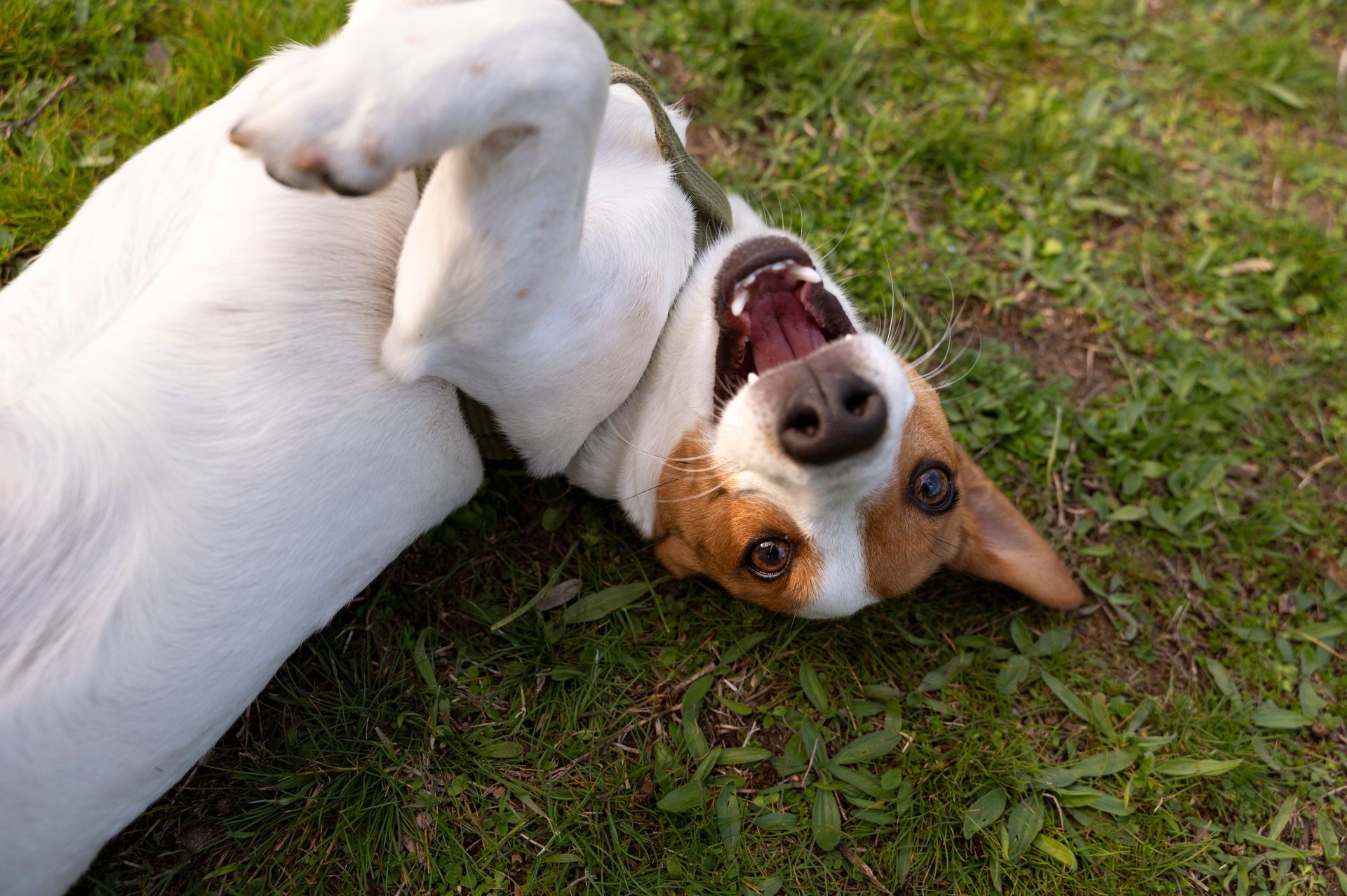
Some dogs snore lightly when they sleep, especially if they are resting in an unusual position. However, loud breathing, worsening snoring, snorting, gagging, or noisy breathing while awake can point to an airway problem that should be evaluated.
For families in Akron, Fairlawn, and Copley, dog noisy breathing is a common reason to call the veterinarian, especially when symptoms worsen during heat, exercise, excitement, or sleep. At Copley Fairlawn Veterinary Clinic, we evaluate breathing sounds by looking at your dog’s airway, breed, weight, history, and overall comfort.
Noisy breathing should not be ignored if it is new, worsening, or affecting your dog’s ability to rest, exercise, or breathe comfortably.
Normal Snoring vs. Abnormal Breathing Noise
Occasional soft snoring during sleep may not be concerning if your dog breathes normally when awake, has good energy, and does not cough, gag, or struggle.
Abnormal breathing noise is different. It may sound like snorting, honking, wheezing, raspy breathing, gagging, choking, or loud breathing through the nose or throat. Some dogs breathe loudly even while standing still or resting.
A dog breathing loud at rest should be evaluated, especially if the sound is new or becoming more frequent.
Why Some Dogs Breathe Loudly
Noisy breathing can come from the nose, throat, larynx, trachea, or lungs. The location of the sound helps guide the exam.
Possible causes include narrow nostrils, elongated soft palate, airway inflammation, obesity, allergies, nasal disease, laryngeal problems, tracheal collapse, infection, foreign material, or masses.
In some dogs, noisy breathing is mild and stable. In others, it can progress and lead to more serious breathing difficulty.
Flat-Faced Dog Breathing Problems
Flat-faced breeds are more likely to develop airway noise because of their anatomy. Bulldogs, French Bulldogs, Pugs, Boston Terriers, Shih Tzus, Pekingese, and similar breeds may have narrowed nostrils, crowded nasal passages, elongated soft palate, or other airway changes.
These issues are often grouped under brachycephalic airway syndrome. Dogs with this condition may snore loudly, breathe noisily, tire quickly, gag, overheat easily, or struggle more during exercise.
Some owners assume loud breathing is normal for the breed, but common does not always mean healthy. If your flat-faced dog has worsening snoring or noisy breathing, an airway exam can help determine whether treatment may improve comfort.
When Airway Surgery May Be Recommended
Airway surgery may be discussed when anatomy is restricting airflow and causing ongoing symptoms. Treatment depends on what is found during evaluation.
Some dogs may benefit from correction of narrowed nostrils or other airway procedures. The goal is to improve airflow, reduce breathing effort, and support better comfort during activity and rest.
Our Eye/Ear/Airway Surgery services support evaluation and treatment planning for airway conditions that may require surgical care.
Surgery is not recommended based on noise alone. Your veterinarian will consider the exam, symptoms, breed, severity, age, and overall health before discussing options.
Emergency Warning Signs
Some breathing symptoms should be treated as urgent.
Call promptly if your dog has open-mouth breathing at rest, blue or pale gums, collapse, severe weakness, extreme distress, repeated choking episodes, or breathing that seems labored.
A dog who cannot settle, is stretching the neck to breathe, or has noisy breathing that suddenly worsens should be evaluated quickly.
Our Emergency Vet services can help when breathing changes appear sudden, severe, or concerning.
Breathing problems can worsen quickly, especially in hot weather or after excitement.
How X-Rays and Airway Evaluation Help
A physical exam helps your veterinarian listen to the heart and lungs, assess gum color, review breathing pattern, and evaluate the nose, throat, and neck.
Digital X-rays may be recommended when noisy breathing could involve the chest, trachea, heart, lungs, or airway structures. Imaging can help identify changes that are not visible from the outside.
Our Digital X-Rays services support evaluation of respiratory symptoms, coughing, airway concerns, and chest-related breathing changes.
Depending on your dog’s symptoms, additional diagnostics may be recommended to evaluate infection, inflammation, heart concerns, or other conditions.
Weight, Heat, and Exercise Matter
Weight can strongly affect breathing comfort. Extra weight increases pressure on the airway and chest, making breathing harder, especially in flat-faced dogs.
Heat and humidity can also worsen airway symptoms. Dogs cool themselves by panting, but dogs with airway restriction may not move air efficiently.
If your dog snores heavily, pants excessively, or struggles after short activity, avoiding heat and intense exercise is important until they are evaluated.
Routine
Wellness Exams help monitor weight, breathing changes, and breed-related concerns before symptoms become more serious.
What Owners Can Watch at Home
Pay attention to when the noise happens. Is it only during sleep, or also when awake? Does it worsen during walks, excitement, eating, or hot weather? Has your dog coughed, gagged, fainted, or become less active?
Videos of the breathing sound can be helpful during the appointment, especially if the noise does not happen at the clinic.
Do not use human medications or sedatives to calm breathing unless directed by a veterinarian.
Frequently Asked Questions
Is dog snoring normal?
Light occasional snoring may be normal for some dogs. Loud, worsening, or awake noisy breathing should be evaluated, especially if your dog also coughs, gags, tires easily, or struggles in heat.
Why is my dog breathing loud?
Loud breathing may come from the nose, throat, airway, or chest. Causes can include breed-related anatomy, inflammation, allergies, tracheal problems, infection, obesity, or airway obstruction.
Are flat-faced dog breathing problems serious?
They can be. Brachycephalic dogs may have narrowed nostrils, elongated soft palate, or other airway changes. Evaluation helps determine whether monitoring, weight management, or surgery may be needed.
When is noisy breathing an emergency?
Noisy breathing is urgent if your dog has blue or pale gums, collapse, severe distress, open-mouth breathing at rest, weakness, or sudden worsening of breathing effort.
Can X-rays help with dog noisy breathing?
Yes. X-rays can help evaluate the chest, trachea, lungs, and related structures when noisy breathing may involve more than the nose or throat.
Schedule an Airway Evaluation
If your dog snores loudly, breathes noisily, or seems to struggle during rest, heat, or activity, an exam can help determine whether airway treatment is needed.
Call Copley Fairlawn Veterinary Clinic at (234) 400-PETS to schedule an examination.
We provide airway evaluations, digital X-rays, wellness care, urgent support, and surgical consultation for dogs in Akron and serve families from Fairlawn and Copley.
Early evaluation can help protect your dog’s comfort, breathing, and long-term quality of life.


Introducing Vello
A Better Way to Stay Connected

Scan the QR code or use the portal login link below to get started.
SHARE THIS