When Should You Microchip a Puppy or Kitten?
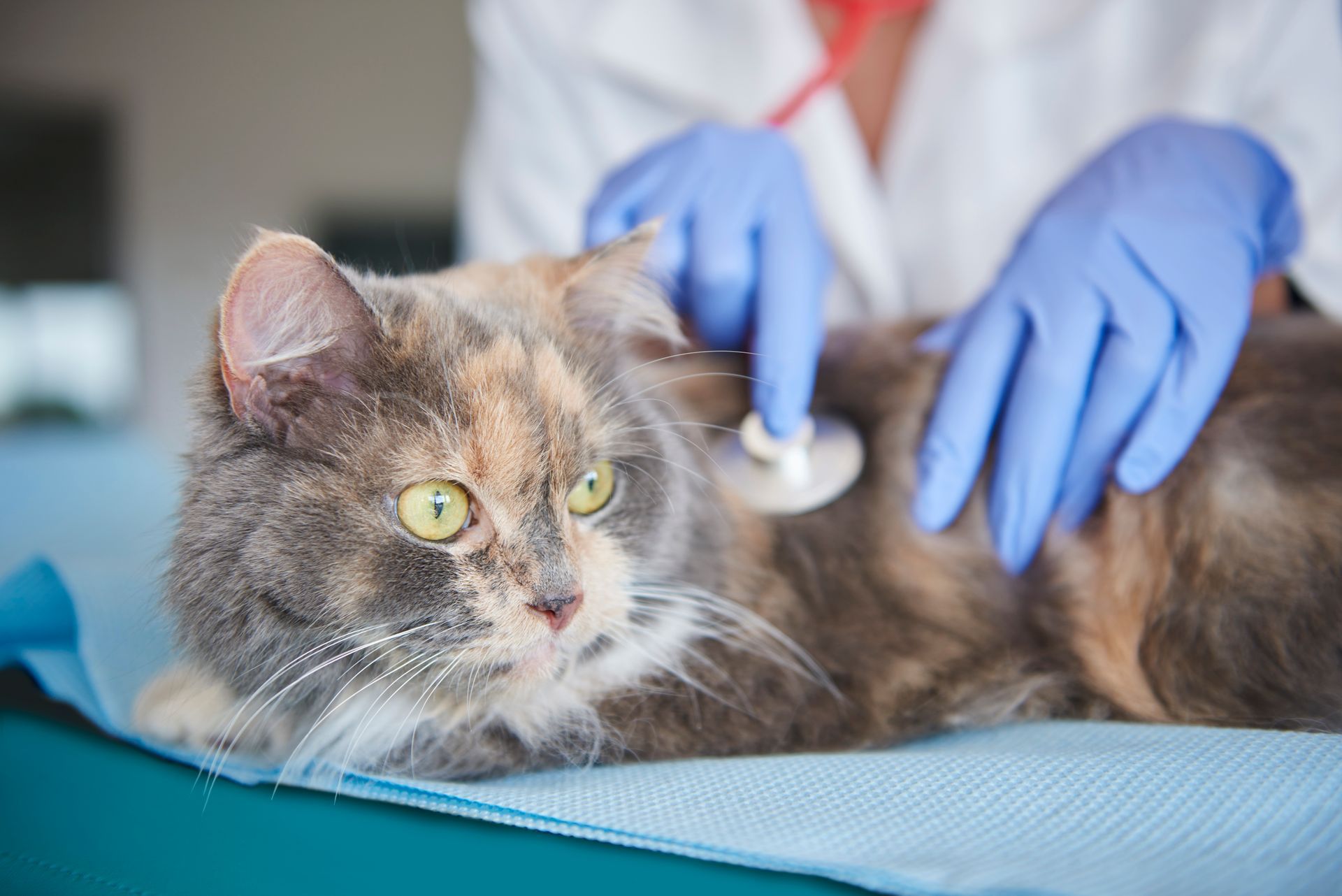
Microchipping is one of the simplest ways to give your puppy or kitten permanent identification. Collars and tags are helpful, but they can fall off or become unreadable. A microchip stays with your pet and can help reunite you if your dog or cat is ever lost.
For families looking for pet microchipping in Fairlawn OH, Akron, or Copley, Copley Fairlawn Veterinary Clinic can discuss the right timing during a wellness visit, kitten visit, puppy visit, or another scheduled appointment.
The best time to microchip a puppy or kitten depends on age, size, health, and whether the pet is already coming in for vaccines, surgery, or routine care.
What Is a Pet Microchip?
A pet microchip is a tiny identification chip placed under the skin. It contains a unique identification number that can be read with a scanner at veterinary clinics, shelters, and animal control facilities.
The microchip is not a GPS tracker. It does not show your pet’s location, monitor movement, or connect to a phone app. It only works when your pet is scanned and the chip number is connected to your current contact information.
That is why registration is just as important as placement.
When Should You Microchip a Puppy?
Many puppies can be microchipped during a puppy wellness visit once they are healthy enough and large enough for the procedure. Some owners choose to microchip during an early vaccine appointment. Others choose to have the chip placed during spay or neuter surgery while the puppy is already under anesthesia.
There is not one perfect time for every dog. Your veterinarian can recommend timing based on your puppy’s age, weight, health, and care schedule.
Our
Puppy Care services can help plan vaccines, parasite prevention, growth checks, microchipping, and future spay or neuter timing.
When Should You Microchip a Kitten?
Kittens can also be microchipped during early veterinary care. Many kitten owners discuss microchipping at the first or second kitten exam, especially if the kitten is curious, fast, or likely to slip through a door.
Even indoor cats should be microchipped. Indoor cats can escape through an open door, window, carrier, or screen. If an indoor cat gets outside, permanent identification can make a major difference.
Some families choose to microchip a kitten during a wellness visit. Others plan it during spay or neuter surgery.
Our
Kitten Care services can help coordinate microchipping with vaccines, parasite checks, nutrition guidance, and spay or neuter planning.
How Microchip Placement Works
Microchip placement is quick. The chip is usually placed under the skin between the shoulder blades using a special needle.
Most pets tolerate the procedure similarly to a vaccination, although the needle is slightly larger. Some pets react briefly, while others barely notice.
If your pet is very nervous or already scheduled for surgery, your veterinarian may discuss placing the chip during that procedure. For many pets, microchipping can be done during a regular appointment.
Our
Microchipping services can be added to many routine visits when appropriate.
Why Registration Matters
A microchip only helps if the chip number is connected to your current contact information.
After placement, the microchip must be registered with your name, phone number, address, and backup contact if available. If you move, change phone numbers, or transfer ownership, the registration should be updated.
A common problem is that a pet has a chip, but the contact information is outdated or incomplete. In that situation, a shelter or clinic may scan the chip but still struggle to reach the owner.
Before travel, moving, or major life changes, check that your pet’s microchip registration is current.
Microchipping During Wellness Exams
Routine Wellness Exams are a convenient time to discuss microchipping. If your pet has not been chipped yet, your veterinary team can confirm whether it can be done during that visit or scheduled with another service.
Wellness visits also allow your veterinarian to scan an existing chip and confirm that it can be detected properly.
If you adopted your pet and are unsure whether they already have a microchip, ask your veterinary team to scan for one.
Microchips vs. Collars and Tags
Microchips and tags work best together.
A collar tag gives someone an easy way to call you quickly if your pet is found. A microchip provides permanent backup identification if the collar comes off.
For dogs who go outside, tags are especially useful. For cats, breakaway collars are safer than standard collars, but they can come off. A microchip remains in place even if the collar is lost.
Common Microchip Myths
One common myth is that a microchip tracks your pet’s location. It does not. It only provides an identification number when scanned.
Another myth is that microchipping is only for outdoor pets. Indoor pets can still escape, especially during storms, moves, construction, visitors, or travel.
Some owners also assume a microchip automatically updates contact information. It does not. Owners must keep registration current.
When to Update or Check a Microchip
Ask for a microchip scan at routine visits, especially if you adopted your pet, moved recently, changed phone numbers, or are unsure whether the chip is registered.
You should also update registration before travel, boarding, or relocation.
If your pet was adopted from a shelter or rescue, confirm that the chip registration was transferred to your information.
Frequently Asked Questions
When should I microchip my puppy?
Many puppies can be microchipped during early wellness or vaccine visits. Some owners choose to do it during spay or neuter surgery. Your veterinarian can recommend timing based on age, size, and health.
When should I microchip my kitten?
Kittens can often be microchipped during kitten wellness care or at the time of spay or neuter surgery. Indoor kittens still benefit because they can accidentally escape.
Does a pet microchip work like GPS?
No. A microchip is not a GPS tracker. It does not show location. It provides an ID number when scanned, which connects to your registered contact information.
Does microchipping hurt pets?
Microchip placement is quick and feels similar to an injection for many pets. Some may react briefly, but the procedure is usually well tolerated.
Why does microchip registration matter?
Registration connects your pet’s chip number to your contact information. If the information is outdated, it may be difficult to reach you if your pet is found.
Add Microchipping to Your Pet’s Visit
If your puppy, kitten, dog, or cat is not microchipped yet, a wellness visit is a good time to discuss placement and registration.
Call Copley Fairlawn Veterinary Clinic at (234) 400-PETS to schedule an appointment.
We provide pet microchipping, puppy care, kitten care, and wellness exams for pets in Akron and serve families from Fairlawn and Copley.
Adding a microchip gives your pet permanent identification and gives your family an extra layer of protection if they are ever lost.

Introducing Vello
A Better Way to Stay Connected

Scan the QR code or use the portal login link below to get started.
SHARE THIS