How Is Cushing’s Disease Diagnosed in Dogs, and What Tests Come Next?
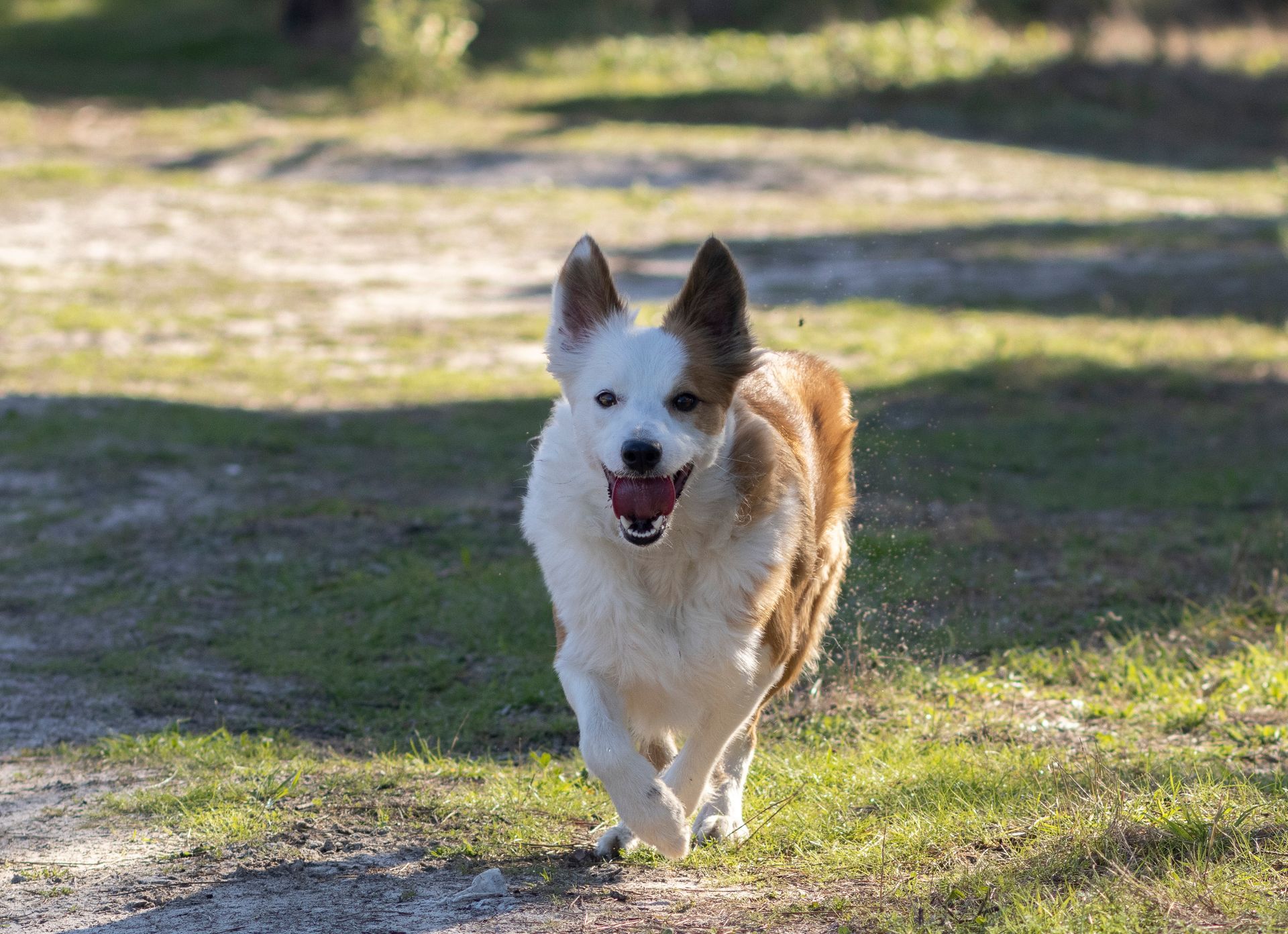
There is not one symptom or one routine blood test that by itself proves a dog has Cushing’s disease. Diagnosis usually starts with compatible symptoms and routine laboratory changes, followed by specific hormone testing. Additional testing may then help determine what type of Cushing’s disease is present and guide treatment.
For dog owners in Akron,
Copley Fairlawn Veterinary Clinic
can evaluate suspected Cushing’s disease and determine which laboratory tests, imaging, and follow-up monitoring are appropriate.
What Is Cushing’s Disease in Dogs?
Cushing’s disease, also called hyperadrenocorticism, occurs when the body is exposed to excessive cortisol over time.
Cortisol is an important hormone produced by the adrenal glands. It helps regulate metabolism, stress responses, blood pressure, and other body functions. Problems develop when cortisol remains abnormally high for a prolonged period.
Most naturally occurring cases are related either to excessive hormone signaling from the pituitary gland or to a problem involving an adrenal gland.
Knowing which form is present can influence treatment and monitoring.
What Signs Make a Vet Suspect Cushing’s Disease?
Cushing’s disease often develops gradually, so owners may initially think the changes are part of normal aging.
Possible signs include:
- Increased thirst
- Increased urination
- Increased appetite
- Panting
- Reduced muscle strength
- A rounded or pot-bellied appearance
- Thinning hair or slow hair regrowth
- Recurrent skin or urinary infections
- Reduced energy
No single symptom confirms the disease. Diabetes, kidney disease, liver problems, medication effects, and other conditions can produce similar signs.
That is why diagnostic testing begins with the entire clinical picture.
Does Routine Bloodwork Diagnose Cushing’s Disease?
No. Routine bloodwork may raise suspicion, but it does not confirm Cushing’s disease by itself.
A chemistry panel may show changes such as increased liver enzyme activity, cholesterol abnormalities, or other findings associated with cortisol excess. A complete blood count and urinalysis may provide additional clues.
These results also help identify other illnesses that could explain your dog’s symptoms.
Our Onsite Diagnostics services support blood and urine testing when Cushing’s disease or another endocrine condition is being investigated.
For families with a
Cushing’s dog in Fairlawn, bringing previous laboratory results can help show whether abnormalities are new or have been developing over time.
What Is the Low-Dose Dexamethasone Suppression Test?
The low-dose dexamethasone suppression test, often shortened to LDDST, is commonly used when a veterinarian suspects naturally occurring Cushing’s disease.
The test measures cortisol before and after a small dose of dexamethasone is given. In a healthy dog, dexamethasone should signal the body to reduce cortisol production.
Dogs with Cushing’s disease may fail to suppress cortisol normally.
The test requires several blood samples over a period of hours. In some dogs, the response pattern can also provide information about whether pituitary-dependent disease is likely.
What Is an ACTH Test for Dogs?
An ACTH stimulation test measures how the adrenal glands respond to synthetic ACTH, a hormone that normally stimulates cortisol production.
A baseline cortisol level is measured, ACTH is administered, and cortisol is measured again afterward.
An ACTH test in a dog may be useful in certain diagnostic situations and is also commonly used when monitoring some dogs already receiving treatment for Cushing’s disease.
The veterinarian chooses between hormone tests based on symptoms, other illnesses, medication history, and the specific clinical question being investigated.
What About a Urine Cortisol Test?
A urine cortisol:creatinine ratio can sometimes be used as a screening test.
A normal result can make Cushing’s disease less likely. However, a high result does not prove that Cushing’s disease is present because stress and other illnesses can also increase urine cortisol.
For that reason, an abnormal screening result generally needs follow-up testing rather than being treated as a final diagnosis.
Why Might More Than One Test Be Needed?
Cushing’s disease can be challenging to diagnose because no test is completely accurate in every dog.
Testing is most useful when a dog has symptoms that fit the disease. Testing dogs without compatible clinical signs can produce confusing or misleading results.
A veterinarian may also postpone specific hormone testing if another significant illness is present because non-adrenal illness can affect cortisol testing.
If results do not match the clinical picture, repeat testing or a different test may be recommended rather than starting treatment immediately.
When Is Abdominal Ultrasound Helpful?
Once Cushing’s disease is suspected or confirmed, abdominal ultrasound can help evaluate the adrenal glands and other abdominal organs.
The appearance and size of the adrenal glands may provide information about whether the disease is more likely pituitary-dependent or adrenal-dependent. Ultrasound can also evaluate the liver, gallbladder, kidneys, and surrounding structures.
Our Ultrasound and Echocardiogram services include abdominal ultrasound when imaging is appropriate during a Cushing’s disease workup.
Dog owners looking for a
Cushing’s vet in Akron may therefore encounter several stages of testing rather than one definitive blood draw.
What Happens After Cushing’s Disease Is Diagnosed?
Treatment depends on the type of disease, your dog’s symptoms, other health conditions, and the diagnostic findings.
Many dogs are managed with medication that reduces excessive cortisol production. Treatment requires follow-up because too much medication can lower cortisol excessively, while too little may not adequately control symptoms.
Our Chronic Disease Management services support ongoing laboratory monitoring and treatment adjustments for dogs living with long-term conditions such as Cushing’s disease.
For Copley-area families, regular rechecks are an important part of determining whether symptoms and laboratory values are responding appropriately.
Frequently Asked Questions
Is there one blood test that confirms Cushing’s disease in dogs?
No. Routine bloodwork may raise suspicion, but diagnosis usually requires specific hormone testing interpreted together with symptoms and examination findings.
What is the most common Cushing’s disease dog test?
The low-dose dexamethasone suppression test is commonly used for suspected naturally occurring Cushing’s disease. Other tests may be preferred in specific situations.
What does an ACTH stimulation test show?
It measures how the adrenal glands respond when stimulated by synthetic ACTH and can help with diagnosis in selected cases and treatment monitoring.
Does my dog need an ultrasound for Cushing’s disease?
Not every dog needs ultrasound at the same stage, but it can help evaluate the adrenal glands and distinguish possible causes after Cushing’s disease is suspected or confirmed.
Can Cushing’s disease be monitored after diagnosis?
Yes. Dogs receiving treatment generally need ongoing clinical assessment and laboratory monitoring so medication can be adjusted appropriately.
Schedule a Cushing’s Disease Evaluation
If your dog has increased thirst, increased urination, panting, appetite changes, or abnormal laboratory results that raise concern for Cushing’s disease, further testing may help clarify the cause.
Call Copley Fairlawn Veterinary Clinic at (234) 400-PETS to schedule an evaluation.
We provide onsite diagnostics, abdominal ultrasound, and chronic disease management for dogs in Akron, with care available to families in Fairlawn and Copley.


Introducing Vello
A Better Way to Stay Connected

Scan the QR code or use the portal login link below to get started.
SHARE THIS