Spay or Neuter Recovery: What to Expect After Surgery
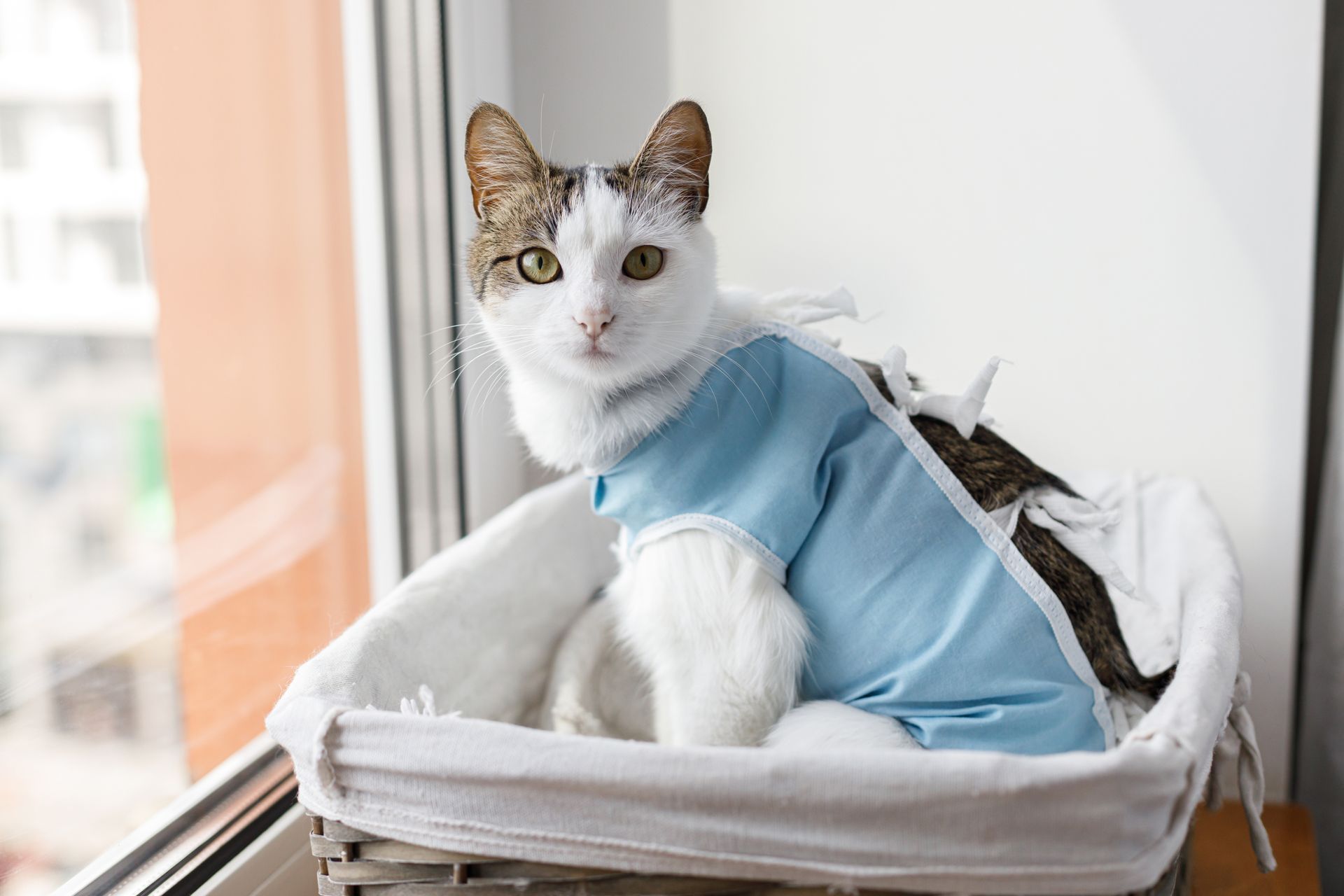
Spay and neuter recovery is usually straightforward when pets are kept calm, the incision is protected, and post-operative instructions are followed closely. Still, it is normal for owners to have questions after surgery, especially about appetite, activity, cone use, and what the incision should look like.
For families in Akron, Fairlawn, and Copley,
Copley Fairlawn Veterinary Clinic helps pet owners prepare for surgery and understand what to watch for during healing. Whether your dog is recovering from a neuter or your cat is recovering from a spay, knowing what is normal can make the process less stressful.
What Happens Right After Surgery
After a spay or neuter, your pet may be tired, quiet, or slightly unsteady from anesthesia. Some pets sleep more than usual the first evening. Others may seem restless because they are confused by the cone, bandage, or activity limits.
Mild appetite changes can happen after anesthesia, but your pet should gradually become more alert and interested in food. Follow the discharge instructions closely, including medication timing, feeding guidance, and recheck recommendations.
If your pet seems extremely weak, has trouble breathing, cannot settle, or does not improve as expected, call your veterinary team for guidance.
Normal Spay and Neuter Recovery Timeline
Recovery depends on your pet’s age, health, activity level, and the type of surgery performed. A spay is an abdominal surgery, so recovery is usually more involved than a routine neuter. However, both procedures require rest and incision protection.
In the first 24 hours, your pet may be sleepy and less interested in normal activity. Over the next few days, energy often improves, but that does not mean the incision is fully healed.
Most pets need restricted activity during the healing period. Running, jumping, rough play, stairs, and licking can all interfere with proper healing.
Our
Spay and Neuter services include surgical guidance and post-operative instructions to help pets recover safely.
What the Incision Should Look Like
A healing incision should usually look clean, closed, and dry. Mild redness or slight swelling can occur early in healing, but it should not worsen day by day.
The incision edges should stay together. There should not be active bleeding, open gaps, thick discharge, bad odor, or increasing swelling.
Check the incision once or twice daily unless your veterinary team gives different instructions. Good lighting can help you notice changes. Avoid touching the incision unless directed.
If your pet has long hair, dark skin, or a very small incision, it may be harder to evaluate at home. When in doubt, call and ask whether a recheck is appropriate.
What the Incision Should Not Look Like
Call your veterinarian if you notice spreading redness, heat, swelling, bleeding, discharge, odor, missing sutures, an open incision, or a lump that grows quickly.
Also call if your pet is licking constantly, crying, refusing food, vomiting repeatedly, acting very painful, or becoming less active after initially improving.
A small amount of bruising can happen in some pets, but bruising that spreads or worsens should be discussed with your veterinary team.
Why Cone Use Matters
The cone, recovery collar, or surgical suit is not just a precaution. Licking and chewing are common causes of incision irritation, infection, and reopening.
Many pets seem calm at first, then begin licking when the incision starts to itch during healing. Even a few minutes of chewing can damage the surgical site.
Keep the cone on as directed, including overnight and when you are not watching your pet closely. If your pet cannot eat, drink, or rest with the cone, call for help rather than removing it completely.
Activity Restriction After Surgery
Activity restriction is one of the most important parts of spay and neuter recovery.
Dogs should usually be leash-walked only for bathroom breaks until cleared for more activity. Avoid running, jumping on furniture, stairs, rough play, and dog park visits.
Cats should be kept indoors and prevented from jumping as much as possible. A quiet room may help limit activity, especially for energetic kittens.
Even if your pet seems normal, the incision and deeper tissues are still healing.
Medication and Pain Control
Your pet may go home with pain medication or other medications. Give them exactly as directed.
Do not give human pain medication unless your veterinarian specifically instructs you to do so. Many common human medications are unsafe for dogs and cats.
If your pet still seems painful despite medication, call your veterinary team. Signs of pain may include hiding, trembling, whining, panting, restlessness, refusing food, guarding the belly, or reluctance to move.
When a Recheck Is Needed
A recheck may be recommended if the incision changes, your pet is licking, pain seems uncontrolled, appetite does not return, or activity restriction has been difficult.
Some pets also have planned post-operative rechecks depending on the surgery and closure type.
Routine
Wellness Exams are also a good time to discuss future preventive care after spay or neuter surgery, including vaccines, parasite prevention, nutrition, weight, and long-term health.
When Testing May Be Needed
Most pets recover without additional testing. However, if your pet is unusually weak, vomiting, not eating, pale, painful, or showing signs that do not fit normal recovery, diagnostic testing may be recommended.
Our
Onsite Diagnostics services can support evaluation if post-operative concerns suggest dehydration, infection, anemia, organ concerns, or another medical issue.
Frequently Asked Questions
How long does spay and neuter recovery take?
Recovery varies by pet and procedure. Many pets feel better within a few days, but activity restriction and incision protection are still needed until the surgical site has healed properly.
What should a spay incision look like while healing?
A healing spay incision should be clean, dry, closed, and only mildly red or swollen. Increasing redness, discharge, odor, bleeding, or opening should be checked by a veterinarian.
Does my dog need a cone after neuter surgery?
Yes, if directed by your veterinarian. Dogs can quickly irritate or open the incision by licking or chewing, even if they seem comfortable.
How do I keep my cat calm after spay surgery?
Keep your cat indoors in a quiet room, limit jumping, use the recovery collar or suit as directed, and follow medication instructions closely.
When should I call the vet after spay or neuter surgery?
Call if your pet has swelling, discharge, bleeding, an open incision, repeated vomiting, poor appetite, severe pain, weakness, or licking that cannot be controlled.
Call With Post-Op Concerns
If your pet is recovering from spay or neuter surgery and you are unsure whether healing looks normal, it is better to ask early.
Call Copley Fairlawn Veterinary Clinic at (234) 400-PETS for guidance or to schedule a recheck.
We provide spay and neuter care, post-operative guidance, wellness exams, and diagnostic support for pets in Akron and serve families from Fairlawn and Copley.
Careful recovery support helps protect the incision, reduce complications, and keep your pet comfortable after surgery.

Introducing Vello
A Better Way to Stay Connected

Scan the QR code or use the portal login link below to get started.
SHARE THIS