Why Is My Cat Pooping Outside the Litter Box?
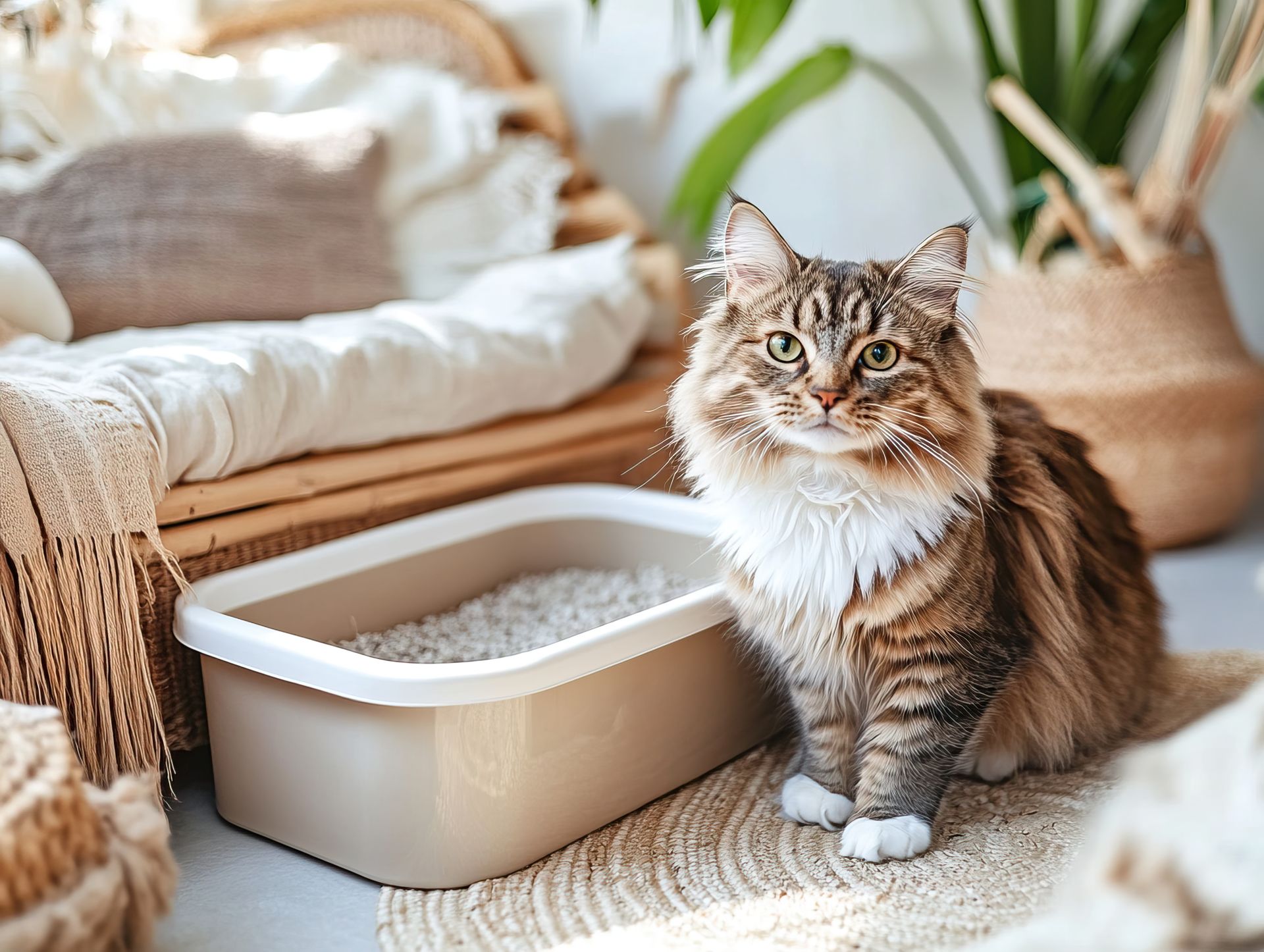
When a cat starts pooping outside the litter box, it can be frustrating and confusing. Some owners assume the problem is behavioral, but stool accidents can also be linked to constipation, diarrhea, pain, arthritis, stress, litter box setup, or an underlying medical condition.
For families in Akron, Fairlawn, and Copley, cat house soiling is a common reason to schedule a veterinary visit. At Copley Fairlawn Veterinary Clinic, we look at both medical and environmental causes so the plan is based on what your cat is actually experiencing.
A cat pooping on the floor is not usually “being bad.” It is often a sign that something about their health, comfort, or litter box routine needs attention.
Medical vs. Behavioral Causes
The first step is determining whether the problem is medical, behavioral, or both.
Medical causes may include constipation, diarrhea, intestinal parasites, inflammatory bowel disease, food intolerance, arthritis, anal gland discomfort, or pain while posturing. Cats with digestive upset may not reach the litter box in time. Cats with constipation may associate the box with discomfort and begin avoiding it.
Behavioral and environmental causes may include stress, conflict with other pets, a dirty litter box, a box that is too small, a covered box the cat dislikes, a new litter texture, or a location that feels unsafe.
Because the causes overlap, it is important not to assume the issue is only behavioral until medical concerns have been checked.
Constipation and Pain-Related Litter Box Avoidance
Constipation is a common reason a cat may poop outside the litter box. A constipated cat may strain, pass small dry stools, cry near the box, visit the box repeatedly, or avoid it after a painful attempt.
Older cats may also have arthritis or back pain that makes climbing into a high-sided box difficult. If the box is in a basement, up stairs, or in a tight space, mobility issues may make accidents more likely.
Pain can change litter box habits quickly. A cat may still want to use the box but struggle to get there, posture comfortably, or stay long enough to pass stool.
Routine
Wellness Exams help identify pain, mobility changes, weight loss, dehydration, or digestive concerns that may contribute to stool accidents.
Digestive Changes and Stool Accidents
Soft stool or diarrhea can also lead to accidents. When urgency increases, a cat may not make it to the box in time. Some cats also avoid the box if they previously had a messy or uncomfortable episode there.
Watch for changes in stool texture, mucus, blood, odor, frequency, or appetite. Vomiting, weight loss, and decreased energy are also important clues.
If symptoms continue, your veterinarian may recommend testing to check for parasites, inflammation, dehydration, or other internal causes.
Our
Onsite Diagnostics services help evaluate whether stool accidents are connected to digestive disease, infection, parasites, or another medical concern.
Litter Box Problems Cats Commonly React To
Cats can be very particular about litter box setup. A box that worked before may become a problem if your cat’s needs change.
Common issues include a box that is not cleaned often enough, a strong-scented litter, sudden litter changes, too few boxes, poor box placement, or a box that is too small. Covered boxes may trap odor or make some cats feel cornered.
A helpful rule is to have one litter box per cat, plus one extra, placed in quiet, accessible areas.
If your cat is older, a low-entry box may help. If your cat is large, a bigger uncovered box may be more comfortable.
Stress and Behavior-Related House Soiling
Stress can affect litter box habits. New pets, visitors, moving, schedule changes, outdoor cats near windows, loud noises, or conflict between household cats can all contribute.
Some cats avoid the box if another pet blocks access or if the box is placed in a noisy or high-traffic area. Others may choose soft surfaces, corners, or quiet rooms because those areas feel safer.
If medical concerns are ruled out, our Behavior Management services can help identify stressors, box setup issues, and environmental changes that may support better litter box habits.
Red Flags That Should Not Wait
Schedule a veterinary visit promptly if your cat has repeated stool accidents, diarrhea, constipation, blood in the stool, vomiting, appetite loss, weight loss, lethargy, or signs of pain.
Do not wait if your cat is straining repeatedly, crying, unable to pass stool, or seems weak. These signs may indicate constipation, dehydration, obstruction, or another condition that needs timely care.
What an Exam and Testing May Include
Your veterinarian will ask about stool appearance, frequency, diet, litter box setup, household changes, medications, and your cat’s overall behavior.
The exam may include checking hydration, abdominal comfort, weight, anal area, joints, and general condition. Testing may include a fecal exam, bloodwork, urinalysis, or imaging depending on symptoms.
The goal is to understand why your cat is avoiding the box so the treatment plan fits the cause.
Home Management Until the Visit
Keep the litter box clean and easy to access. Add an extra box in a quiet location. Avoid sudden litter changes, and do not punish your cat for accidents.
Clean soiled areas with an enzymatic cleaner made for pet accidents. This helps reduce lingering odor that may attract repeat use.
If your cat is straining, vomiting, not eating, or acting painful, home management is not enough. Schedule care promptly.
Frequently Asked Questions
Why is my cat pooping outside the litter box?
Cats may poop outside the litter box because of constipation, diarrhea, arthritis, pain, stress, litter box dislike, household conflict, or digestive disease. A vet exam helps separate medical causes from behavior-related causes.
Is my cat pooping on the floor because of behavior?
Behavior may play a role, but medical causes should be ruled out first. Pain, constipation, diarrhea, and mobility issues can all look like behavior problems at home.
When should I worry about cat house soiling?
You should schedule care if accidents are repeated or come with diarrhea, constipation, blood in stool, vomiting, appetite loss, weight loss, lethargy, or signs of pain.
Can stress make a cat poop outside the litter box?
Yes. Stress from new pets, moving, outdoor cats, household changes, or conflict with other cats can contribute to litter box avoidance, especially if the box location feels unsafe.
What should I do before the vet visit?
Keep the box clean, add an extra accessible box, avoid punishment, note stool changes, and clean accidents with an enzymatic cleaner. Bring a fresh stool sample if possible.
Schedule a Litter Box Evaluation
If your cat is pooping outside the litter box, an exam can help determine whether the cause is medical, pain-related, environmental, or behavioral.
Call Copley Fairlawn Veterinary Clinic at (234) 400-PETS to schedule an evaluation.
We provide wellness care, onsite diagnostics, and behavior guidance for cats in Akron and serve families from Fairlawn and Copley.
Finding the cause early can help restore litter box habits and improve your cat’s comfort.

Introducing Vello
A Better Way to Stay Connected

Scan the QR code or use the portal login link below to get started.
SHARE THIS