My Dog Fainted: Is It a Heart Problem, Heat Issue, or Another Emergency?
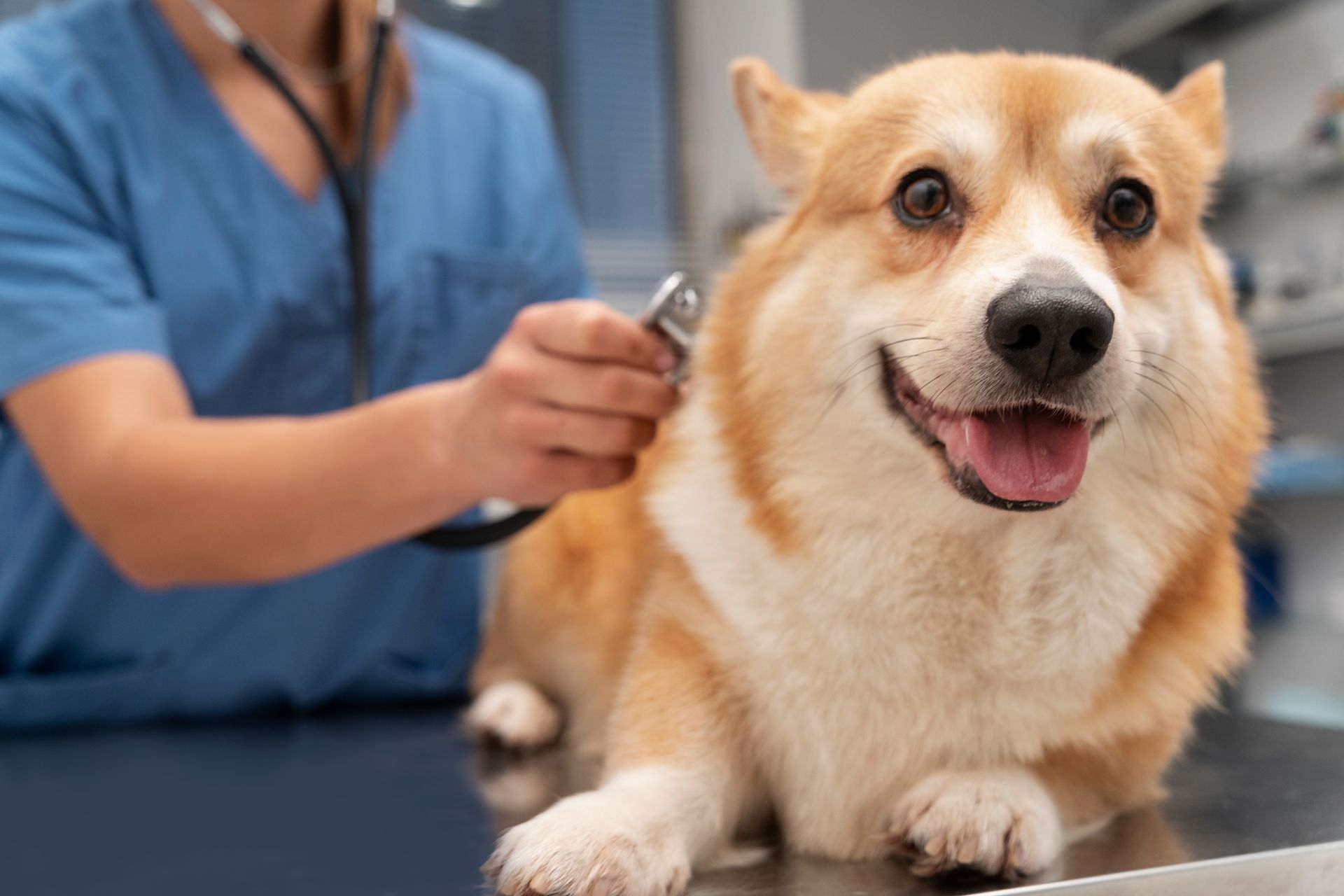
If your dog suddenly falls over, becomes limp, or briefly loses consciousness, contact a veterinary clinic immediately. Dog fainting and collapse can be caused by heart rhythm problems, reduced blood flow, heat illness, low blood sugar, anemia, breathing problems, toxin exposure, or neurologic disease.
Even if your dog stands up and appears normal shortly afterward, the episode should not be dismissed. A brief recovery does not explain why the collapse happened or whether it could happen again.
For dog owners in Akron, Fairlawn, and Copley,
Copley Fairlawn Veterinary Clinic can evaluate sudden collapse and determine whether heart imaging, X-rays, bloodwork, or other diagnostic testing may be needed.
What Does Dog Fainting Look Like?
Fainting, also called syncope, is a temporary loss of consciousness caused by reduced blood flow or oxygen delivery to the brain.
A dog experiencing syncope may suddenly become weak, wobble, fall over, and go limp. The episode may happen during exercise, excitement, coughing, or after standing up. Some dogs urinate or pass stool during the event.
Recovery is often rapid. A dog may stand within seconds or minutes and seem nearly normal afterward.
Because fainting can look similar to a seizure, a clear description or video of the event can help your veterinarian understand what occurred..
Dog Fainting vs. a Seizure
Fainting and seizures can both cause sudden collapse, but there are often differences.
A dog that faints usually becomes limp and recovers relatively quickly. A dog having a seizure may become stiff, paddle the legs, chew, drool heavily, or remain confused afterward.
However, movements can sometimes occur during a fainting episode, and not every seizure looks the same. Owners should not try to make the diagnosis at home.
If possible, record the episode without delaying urgent care. Note what your dog was doing before the collapse, how long it lasted, and how your dog acted afterward..
Can Heart Disease Cause a Dog to Faint?
Yes. Heart problems are an important cause of dog syncope.
An abnormally fast, slow, or irregular heart rhythm can prevent enough blood from reaching the brain. Heart valve disease, heart muscle disease, congenital defects, pulmonary hypertension, heart tumors, or other circulation problems may also contribute.
Some dogs faint during exercise or excitement because the heart cannot increase blood flow adequately. Others may collapse after coughing or without an obvious trigger.
Our
Ultrasound and Echocardiogram services can help evaluate heart structure, valve movement, chamber size, and pumping function when a cardiac cause is suspected.
Could Heat Cause Sudden Collapse?
Heat illness can cause weakness, collapse, excessive panting, drooling, vomiting, confusion, and changes in gum color. Risk increases during hot or humid weather, intense exercise, or time spent in a poorly ventilated space.
Flat-faced dogs, overweight dogs, senior dogs, and dogs with heart or airway disease may overheat more easily.
Move your dog to a cooler area and call for veterinary guidance immediately. Do not place a collapsed dog in ice water. Rapid cooling with extremely cold water can create additional problems.
Heat-related collapse requires prompt assessment because internal effects may continue even after a dog’s temperature begins to improve.
Other Causes of Dog Collapse
Not every collapse is caused by heart disease or heat.
Low blood sugar may affect puppies, very small dogs, diabetic dogs receiving insulin, or dogs with certain internal illnesses. Anemia or blood loss can reduce oxygen delivery and may cause weakness, pale gums, or fainting.
Other possible causes include low blood pressure, electrolyte changes, respiratory disease, toxin exposure, medication effects, severe pain, internal bleeding, and neurologic problems.
Because the causes vary widely, diagnostic testing is often needed..
When Dog Fainting Is an Emergency
Any unexplained loss of consciousness or sudden collapse deserves prompt veterinary attention.
Seek immediate care if your dog:
- Does not recover quickly
- Collapses more than once
- Has pale, gray, or blue gums
- Is breathing rapidly or with effort
- Seems weak, confused, or unable to stand
- Has a swollen or painful abdomen
- Was exercising in heat
- May have eaten a toxin or medication
- Has known heart or respiratory disease
Our Urgent Veterinary Care services support prompt assessment when a dog faints, collapses, or develops sudden weakness..
What to Do After Your Dog Collapses
Keep your dog quiet and prevent further activity. Move them away from stairs, traffic, water, or other hazards.
Check whether your dog is conscious and breathing, but avoid placing your hand inside the mouth. Dogs may bite unintentionally when frightened, confused, or recovering.
Note the time and length of the episode. Look at gum color and observe breathing if you can do so safely.
Call the veterinary clinic before leaving so the team knows what happened and can advise you about transportation and urgency.
What Testing May Be Recommended?
Evaluation begins with a physical exam and review of the event. Your veterinarian may listen to the heart and lungs, check pulse quality, measure temperature, evaluate gum color, and look for signs of pain or neurologic changes.
Bloodwork may help identify anemia, low blood sugar, electrolyte abnormalities, organ changes, or other internal causes. Our Onsite Diagnostics services can support timely testing when sudden collapse requires medical investigation.
An ECG or longer heart-rhythm monitoring may be recommended if an arrhythmia is suspected. Blood pressure testing may also provide useful information.
How X-Rays Help Evaluate Collapse
Chest X-rays can help assess heart size, lungs, pulmonary blood vessels, airway changes, fluid buildup, or chest masses.
Our Digital X-Rays services support evaluation when collapse may be connected to heart, lung, airway, or chest disease.
An echocardiogram may be added when heart structure or function needs closer evaluation. No single test answers every case, so recommendations depend on your dog’s history and exam findings.
Frequently Asked Questions
Why did my dog suddenly faint?
Dogs may faint because of an abnormal heart rhythm, heart disease, reduced blood pressure, low blood sugar, anemia, heat illness, breathing problems, or other medical conditions.
Can a dog faint and then act normal?
Yes. Dogs with syncope may recover within seconds or minutes and appear normal afterward. The episode still needs evaluation because the underlying cause may remain.
How can I tell fainting from a seizure?
Fainting often causes sudden limpness and quick recovery. Seizures may involve stiffness, paddling, chewing, drooling, and confusion afterward. The two can overlap, so veterinary evaluation is important.
Does a fainting dog need an echocardiogram?
An echocardiogram may be recommended if a heart murmur, abnormal rhythm, exercise-related collapse, or another cardiac concern is present.
Should I take my dog to the vet after one collapse?
Yes. Even one unexplained collapse or fainting episode should be reported promptly, especially if it involved loss of consciousness, breathing changes, weakness, or abnormal gum color.
Call After a Fainting or Collapse Episode
If your dog fainted, collapsed, or suddenly became unable to stand, call for veterinary guidance immediately, even if your dog appears to recover.
Call
Copley Fairlawn Veterinary Clinic at (234) 400-PETS for an urgent evaluation.
We provide urgent assessment, onsite diagnostics, digital X-rays, and heart ultrasound support for dogs in Akron and serve families from Fairlawn and Copley.




Introducing Vello
A Better Way to Stay Connected

Scan the QR code or use the portal login link below to get started.
SHARE THIS