Sudden Back Leg Paralysis in Dogs: IVDD Warning Signs

Sudden weakness or paralysis in a dog’s back legs can be alarming. One of the most common causes is intervertebral disc disease, often referred to as IVDD.
If your dog suddenly begins dragging their back legs or appears unable to stand, this requires urgent evaluation. For families in Akron and surrounding communities, early assessment is especially important because neurologic injuries can worsen quickly.
Understanding IVDD dog symptoms can help you recognize when immediate care is needed.
What Is IVDD?
IVDD occurs when a disc between the vertebrae bulges or ruptures, placing pressure on the spinal cord.
This pressure can interfere with nerve signals traveling to the back legs. Depending on severity, signs may range from mild pain to complete paralysis.
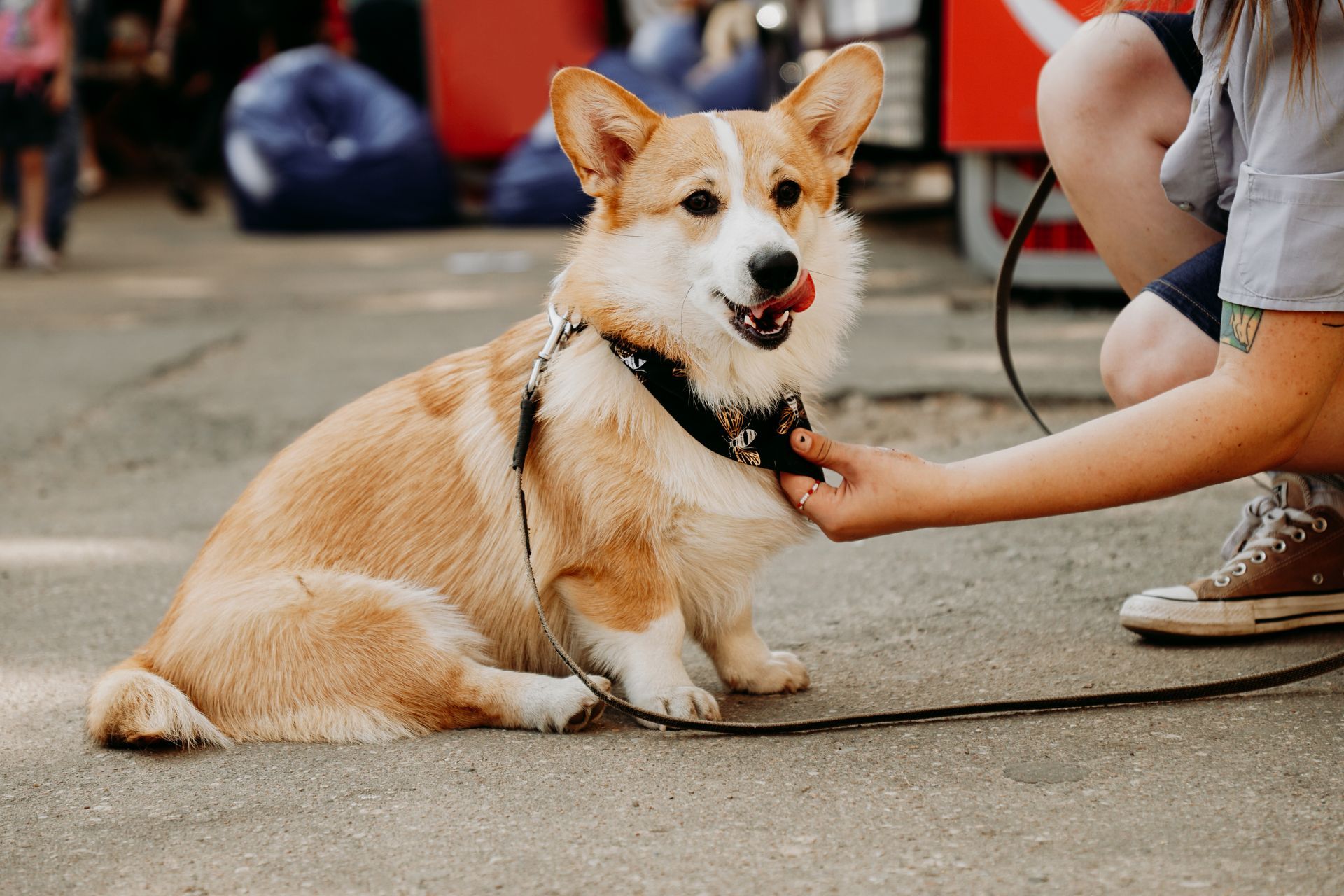
Some breeds are genetically predisposed, including Dachshunds, French Bulldogs, and Corgis. However, IVDD can occur in any dog.
IVDD Dog Symptoms
Symptoms often develop suddenly.
Common signs include:
- Reluctance to jump or climb stairs
- Crying out when picked up
- Hunched back posture
- Weakness in the back legs
- Dog dragging back legs
- Loss of coordination
In severe cases, dogs may lose the ability to stand or move their hind limbs.
Loss of bladder control can also occur in advanced cases.
Slipped Disc Dog Symptoms: When It’s an Emergency
A slipped disc can compress the spinal cord rapidly.
Emergency warning signs include:
- Sudden inability to walk
- Complete paralysis of the back legs
- Loss of deep pain sensation
- Severe spinal pain
When paralysis develops, time becomes critical. Early intervention improves the likelihood of neurologic recovery.
If your dog suddenly cannot use their back legs, do not wait to see if it improves.
Why Early Treatment Matters
Spinal cord compression can worsen over hours.
The longer the spinal cord remains compressed, the greater the risk of permanent nerve damage.
Early diagnosis allows treatment options to be considered before neurologic deficits become irreversible.
If you are in Akron and notice sudden back leg weakness or paralysis, prompt evaluation is recommended.
How IVDD Is Diagnosed
Diagnosis begins with a neurologic examination to determine the location and severity of spinal cord involvement.
Imaging is often required. Radiographs may suggest disc changes, but advanced imaging such as MRI provides more detailed information.
Imaging helps determine whether surgical intervention is necessary.
Treatment Options for IVDD
Treatment depends on severity.
Mild cases may be managed with strict crate rest and anti-inflammatory medication.
More severe cases involving paralysis often require surgical decompression to relieve spinal cord pressure.
Recovery depends on how quickly treatment begins and the extent of nerve damage.
If your dog is experiencing signs consistent with IVDD, you can learn more about treatment options on our
IVDD Treatment and Surgery page.
What To Do If Your Dog Is Dragging Their Back Legs
If your dog is dragging their back legs:
Limit movement immediately.
Avoid allowing them to walk or jump.
Transport them carefully on a flat surface if possible.
Reducing spinal movement can help prevent additional injury while seeking veterinary care.
Frequently Asked Questions
These questions reflect the most common online searches about IVDD and paralysis.
Why is my dog suddenly dragging his back legs?
Sudden dragging of the back legs is commonly associated with IVDD, which involves disc compression of the spinal cord.
Can a dog recover from back leg paralysis?
Recovery depends on severity and how quickly treatment is initiated. Early intervention improves the chance of neurologic recovery.
Is IVDD painful for dogs?
Yes. Many dogs show signs of back pain before weakness develops.
How fast does IVDD progress?
Symptoms may worsen over hours to days. Rapid progression to paralysis can occur in severe cases.
When is IVDD considered an emergency?
When paralysis develops, deep pain sensation is lost, or bladder control is affected, immediate veterinary evaluation is necessary.
Call Immediately for Sudden Back Leg Weakness
If your dog suddenly cannot stand or is dragging their back legs, do not wait.
Call (234) 400-PETS for guidance. We provide emergency neurologic care for dogs in Akron and serve families from Fairlawn and Copley.
Early evaluation allows timely intervention and protects spinal cord function.

Introducing Vello
A Better Way to Stay Connected

Scan the QR code or use the portal login link below to get started.
SHARE THIS