Pale Gums in Dogs: When White or Pale Gums Signal Something Serious
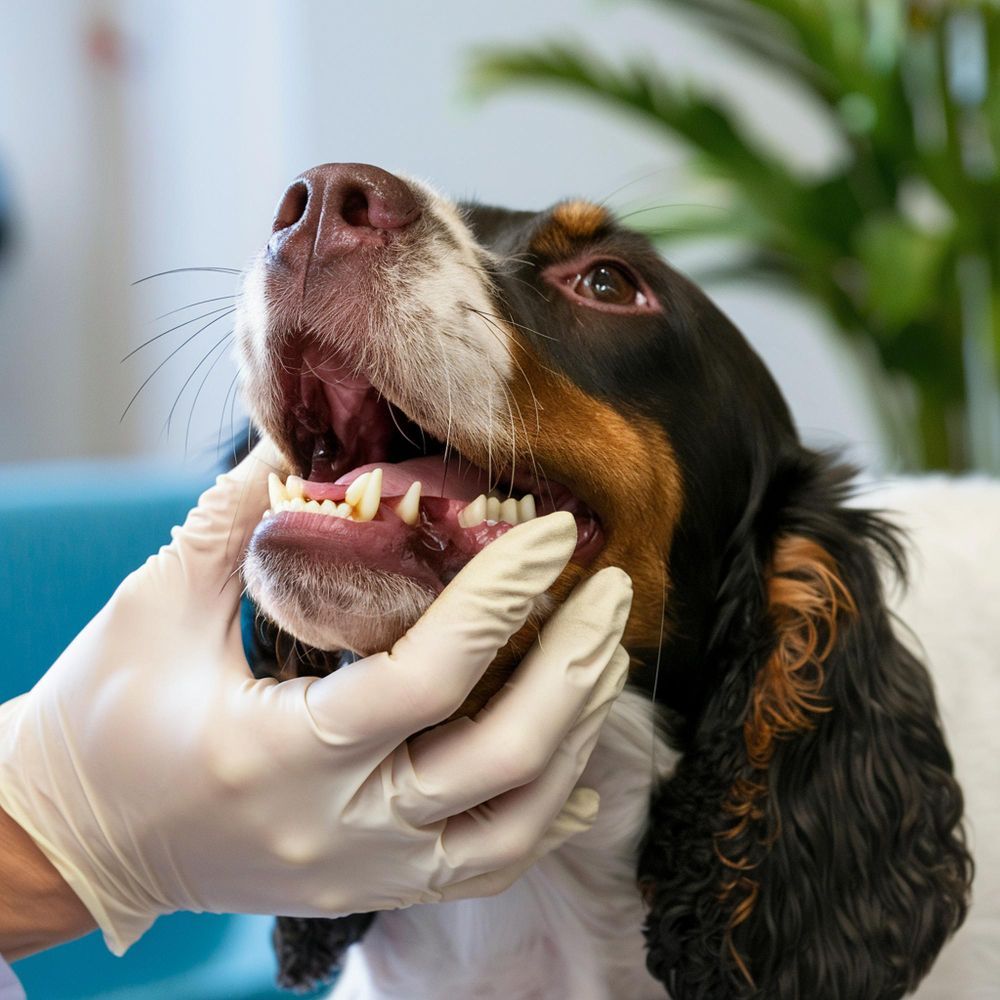
Healthy dog gums should be pink and moist. If your dog’s gums look pale, white, gray, or unusually light instead of pink, this can indicate a serious underlying condition.
Pale gums are not a disease by themselves. They are a clinical sign that circulation, oxygen delivery, or red blood cell levels may be affected.
For families in Akron, a sudden change in gum color should never be ignored. At Copley Fairlawn Veterinary Clinic, pale gums are treated as a potential emergency because they often signal a systemic problem.
If you notice this change, especially if it develops quickly or is accompanied by weakness, prompt evaluation is recommended.
What Normal Gums Should Look Like
Most dogs have salmon-pink gums. When you gently press on the gum and release, the color should briefly fade and return to pink within about two seconds. This is known as capillary refill time and reflects healthy blood circulation.
If the gums remain pale or white and do not return quickly to pink, this may indicate reduced blood flow or anemia.
Moisture is also important. Dry, tacky gums may suggest dehydration or circulatory compromise.
Dog Gums White: What Does It Mean?
White or very pale gums suggest that oxygenated blood is not reaching tissues normally.
This can occur due to:
- Blood loss
- Anemia
- Circulatory collapse
- Severe dehydration
- Advanced heart disease
When circulation is compromised, the body prioritizes blood flow to vital organs such as the brain and heart. Peripheral tissues like the gums may appear pale as a result.
If your dog’s gums are white and they appear weak, confused, or unusually quiet, this requires urgent evaluation.
Signs of Shock in Dogs
Shock occurs when the body cannot maintain adequate blood flow to organs.
Common signs include:
- Pale or white gums
- Rapid heart rate
- Weak pulse
- Cold ears or paws
- Weakness or collapse
Shock may develop due to trauma, internal bleeding, severe infection, allergic reactions, or toxin exposure.
This is a life threatening condition that requires immediate stabilization.
Could Pale Gums Be a Sign of Internal Bleeding?
Internal bleeding is one possible cause of pale gums.
For example, bleeding into the abdomen from trauma or a ruptured splenic mass can reduce circulating blood volume. As blood pressure drops, gums may become pale.
Other signs that may accompany internal bleeding include sudden weakness, abdominal swelling, rapid breathing, or collapse.
However, not all pale gums are caused by internal bleeding. Severe anemia from immune-mediated disease, chronic blood loss, or certain toxins may present similarly.
Only examination and diagnostic testing can determine the underlying cause.
Other Causes of Pale Gums
Anemia occurs when red blood cell levels are low. Red blood cells carry oxygen throughout the body. When levels drop, gums may lose their normal pink color.
Causes of anemia may include:
- Immune-mediated destruction of red blood cells
- Chronic blood loss from gastrointestinal disease
- Parasites
- Bone marrow disorders
Severe dehydration can also affect gum appearance, although persistent pale color typically warrants further investigation.
How Pale Gums Are Evaluated
When a dog presents with pale gums, evaluation begins immediately.
Your veterinarian will assess gum color, capillary refill time, heart rate, pulse strength, respiratory rate, and abdominal comfort.
Bloodwork is typically recommended to measure red blood cell count, organ function, and electrolyte levels.
If internal bleeding is suspected, imaging such as abdominal radiographs or ultrasound may be performed.
Early diagnosis allows treatment to begin before organ damage progresses.
At Copley Fairlawn Veterinary Clinic, emergency evaluation focuses first on stabilizing circulation while identifying the underlying cause.
Treatment Depends on the Cause
Treatment varies depending on what is identified.
If anemia is present, therapy focuses on correcting the underlying issue. In some cases, blood transfusion may be necessary.
If internal bleeding is confirmed, surgical intervention may be required to control the source.
Dogs in shock require rapid stabilization with intravenous fluids and oxygen support.
The earlier treatment begins, the better the chances of preventing serious complications.
You can learn more about urgent evaluation through our
Emergency Veterinary Services page.
When Should You Seek Immediate Care?
Pale gums combined with any of the following signs should be treated as an emergency:
- Weakness
- Collapse
- Rapid or labored breathing
- Abdominal swelling
- Disorientation
If your dog appears stable but gum color remains abnormal, contact your veterinarian the same day.
Waiting can allow an underlying condition to worsen.
Frequently Asked Questions
What color should a dog’s gums normally be?
Healthy gums are typically pink and moist. Pale, white, gray, or blue gums are abnormal and require evaluation.
Are white gums always an emergency?
White gums often indicate reduced circulation or anemia. Prompt veterinary assessment is recommended, especially if other symptoms are present.
Can dehydration cause pale gums?
Severe dehydration may affect circulation. However, persistent pale gums warrant medical evaluation to rule out more serious causes.
How do I check my dog’s gums at home?
Lift the lip gently and observe the color. Press lightly and watch for pink color to return within about two seconds.
Can pale gums return to normal on their own?
Because pale gums reflect an underlying problem, improvement depends on identifying and treating the cause.
Call If Your Dog’s Gums Look Pale
If your dog’s gums appear pale or white, do not ignore this change.
Call Copley Fairlawn Veterinary Clinic at (234) 400-PETS. We provide emergency and urgent care for dogs in Akron and serve families from Fairlawn and Copley.
Early evaluation allows serious conditions to be identified and treated promptly.


Introducing Vello
A Better Way to Stay Connected

Scan the QR code or use the portal login link below to get started.
SHARE THIS