Luxating Patella Surgery in Dogs: When Is It Necessary?
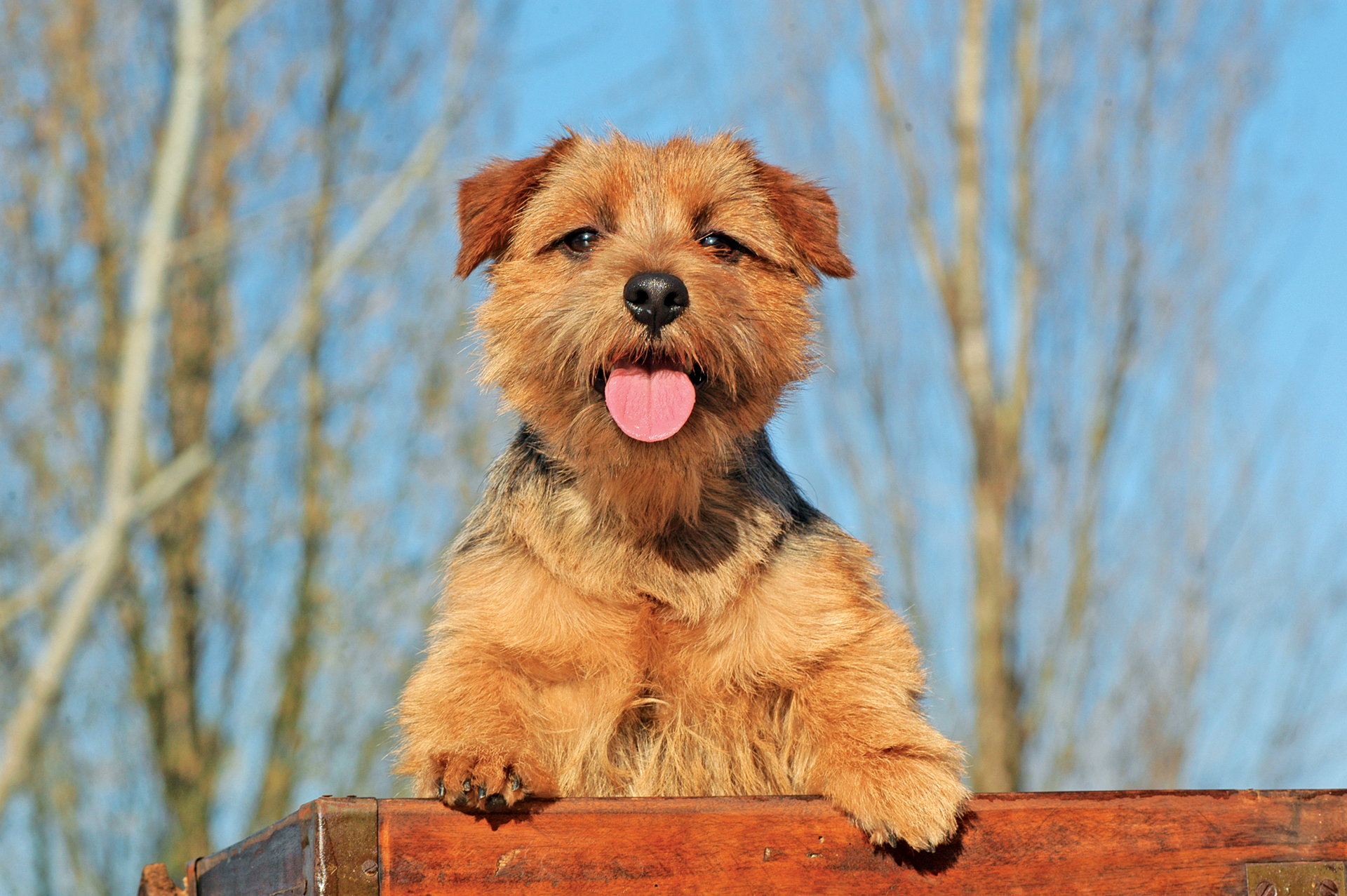
If your small dog occasionally skips a step while walking or briefly holds up a back leg before returning to normal, a luxating patella may be the cause.
A luxating patella occurs when the kneecap slips out of its normal groove. In mild cases, it may cause intermittent lameness. In more advanced cases, it can lead to persistent discomfort, cartilage damage, and arthritis.
For families in Akron seeking answers about recurring back leg limping, the team at Copley Fairlawn Veterinary Clinic evaluates patellar luxation regularly and helps determine when surgery is appropriate.
Understanding when surgical correction is necessary allows earlier intervention and improved long-term comfort.
What Is a Luxating Patella?
The patella, or kneecap, normally sits within a groove at the lower end of the femur. When a luxation occurs, the kneecap moves out of that groove.
In small breed dogs, medial patellar luxation, or MPL, is most common. This means the kneecap slips toward the inside of the leg.
Repeated slipping disrupts normal joint mechanics. Over time, this can irritate cartilage and place abnormal stress on the knee joint.
While some dogs experience only mild intermittent signs, others develop persistent lameness.
Dog Kneecap Slipping: Common Symptoms
Symptoms vary depending on severity.
Many owners first notice a brief skipping gait. The dog may lift a hind leg for a few steps and then resume walking normally.
Other signs may include:
- Intermittent back leg limping
- Sudden hind limb lameness
- Difficulty rising from rest
- Reduced willingness to jump
- Gradual stiffness
In more advanced cases, the kneecap may remain displaced, leading to consistent limping and discomfort.
How Luxating Patella Is Graded
Patellar luxation is classified into four grades.
Grade I involves occasional luxation with spontaneous return to position.
Grade II includes more frequent slipping, sometimes requiring manual repositioning.
Grade III involves persistent luxation with intermittent repositioning.
Grade IV indicates permanent displacement that cannot be manually corrected.
Grading helps guide treatment recommendations.
When Is Luxating Patella Surgery Needed?
Not every dog with patellar luxation requires surgery.
Mild Grade I cases without persistent lameness may be managed conservatively with weight management and monitoring.
Surgery is typically recommended when lameness becomes frequent, when the kneecap does not remain stable, when pain develops, or when joint degeneration progresses.
Higher grade luxations are more likely to require surgical correction.
Early surgical stabilization can reduce ongoing cartilage wear and delay arthritis progression.
If your dog has been diagnosed with patellar luxation, you can learn more about surgical correction on our
MPL Surgery page.
What Happens During Luxating Patella Surgery?
Surgical correction focuses on stabilizing the kneecap within its groove and correcting alignment forces.
Procedures may include deepening the femoral groove, repositioning the tibial tuberosity, and adjusting surrounding soft tissues.
The goal is to restore proper tracking of the kneecap and reduce abnormal joint stress.
Surgery is performed under general anesthesia with careful monitoring and pain management protocols.
At Copley Fairlawn Veterinary Clinic, surgical planning is tailored to each dog’s grade of luxation and anatomy.
MPL Surgery Recovery
Recovery requires structured activity restriction and gradual reintroduction of movement.
The first two weeks focus on incision healing and strict rest.
Leash walks are introduced gradually. Running and jumping are restricted during early recovery.
Most dogs require approximately eight weeks of controlled activity before returning to normal play.
Full recovery and muscle rebuilding may take several months.
Following postoperative instructions carefully supports optimal surgical outcome.
What Happens If Surgery Is Delayed?
Persistent luxation places abnormal stress on cartilage and joint surfaces.
Over time, this may result in progressive arthritis, increased lameness, and reduced mobility.
Delaying correction in higher grade cases can make future surgery more complex due to joint changes.
Early evaluation allows appropriate timing decisions.
Long-Term Outlook After MPL Surgery
Many small dogs regain normal or near-normal function following surgical stabilization.
While mild arthritis may develop over time, stabilizing the kneecap significantly improves comfort and joint mechanics.
Maintaining a healthy body weight and controlled exercise supports long-term joint health.
What Pet Owners Share About Their Experience
Orthopedic surgery for a small dog can feel overwhelming. Many families across Akron, Fairlawn, and Copley have trusted Copley Fairlawn Veterinary Clinic for MPL correction and recovery guidance.
You can review verified client experiences directly through our
Google Reviews page to learn more about their recovery journeys.
Frequently Asked Questions
Why does my dog skip when walking but then act normal?
Intermittent skipping is a common sign of luxating patella. The kneecap may briefly slip out of position and then return, allowing normal walking again.
How do I know if my dog needs patella surgery?
If limping becomes frequent, persistent, or painful, surgical evaluation is recommended. Grading and examination determine whether surgery is appropriate.
How long does MPL surgery recovery take?
Most dogs require about eight weeks of restricted activity, with gradual return to normal movement over several months.
Will luxating patella get worse over time?
In many cases, repeated slipping increases joint wear and may lead to progressive arthritis.
Is luxating patella surgery successful?
Many dogs experience significant improvement in comfort and mobility after proper surgical stabilization.
Schedule an Orthopedic Evaluation
If your dog’s kneecap is slipping or limping is becoming more frequent, early evaluation can help determine whether surgery is appropriate.
Call Copley Fairlawn Veterinary Clinic at (234) 400-PETS to schedule an orthopedic consultation. We provide MPL surgical evaluation for dogs in Akron and serve families from Fairlawn and Copley.
A timely treatment plan can improve comfort and protect long-term joint health.

Introducing Vello
A Better Way to Stay Connected

Scan the QR code or use the portal login link below to get started.
SHARE THIS