Dog Dental Cleaning: What Really Happens

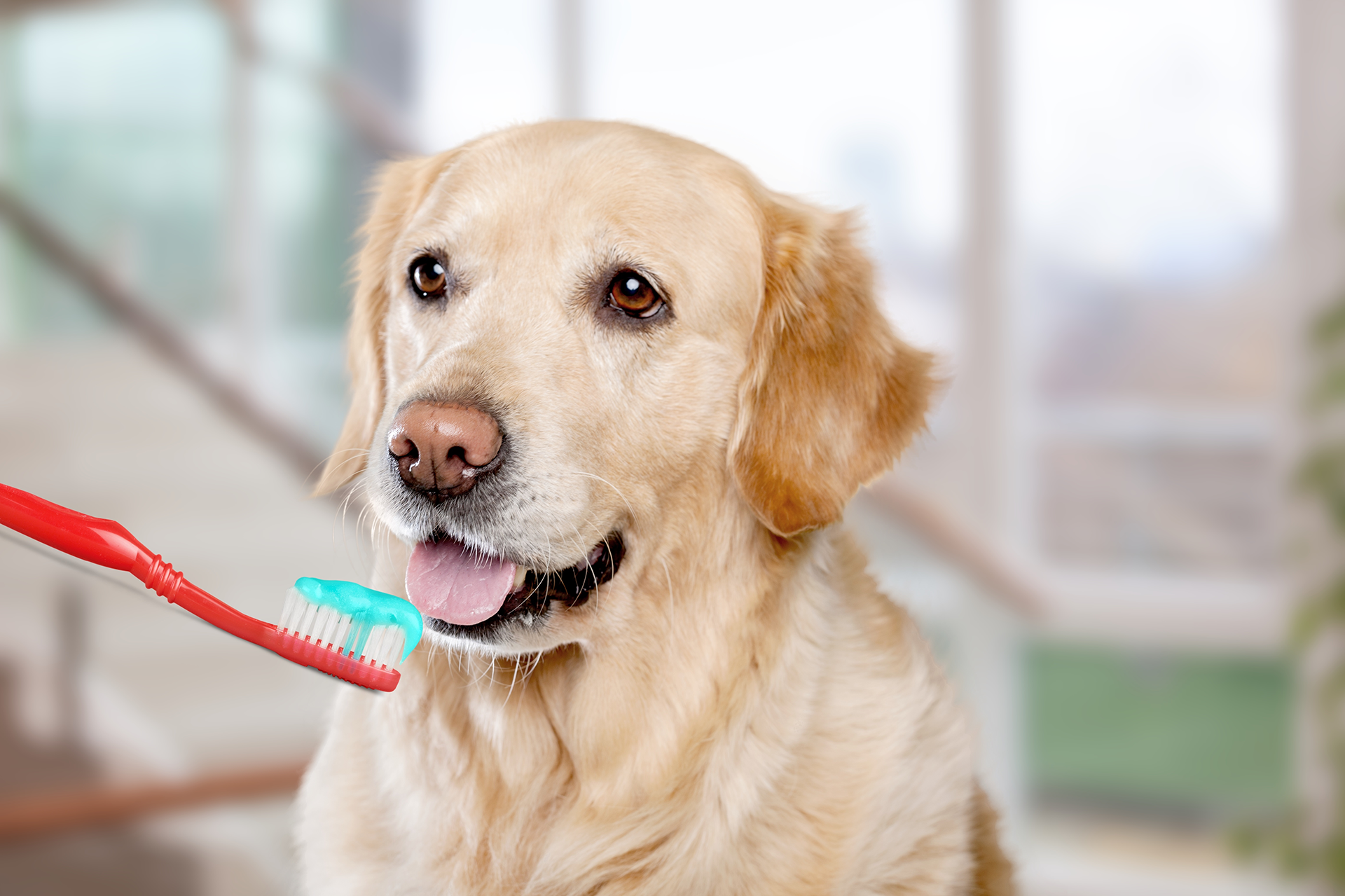
Many pet owners are told their dog needs a dental cleaning but are unsure what that actually involves.


Unlike human dental cleanings, professional dog dental cleaning is performed under general anesthesia. This allows a complete and safe evaluation of the entire mouth, including areas beneath the gumline where disease commonly develops.


For families in Akron, understanding what happens during a dental procedure helps remove uncertainty and allows confident decision-making.


At Copley Fairlawn Veterinary Clinic, dental care is approached as a medical procedure focused on identifying pain, infection, and long-term oral health risks.


Why Dental Disease Is Common in Dogs 

Dental disease is one of the most common conditions diagnosed in adult dogs.


Plaque begins forming on teeth within hours after eating. Over time, plaque hardens into tartar. Bacteria accumulate along the gumline and beneath the surface.


This leads to inflammation of the gums, known as gingivitis. If untreated, it can progress to periodontal disease, where deeper structures that support the teeth become affected.


Periodontal disease can cause chronic pain even when a dog continues eating normally.


What Happens During a Dog Dental Cleaning 

A professional dog dental cleaning includes several steps.


First, your dog is placed under general anesthesia. This ensures they remain still and comfortable while allowing a thorough oral examination.


Next, dental radiographs are taken. X-rays are critical because a large portion of each tooth sits below the gumline. Problems such as root infection or bone loss cannot be seen without imaging.


The teeth are then scaled using ultrasonic equipment to remove tartar above and below the gumline. After scaling, teeth are polished to smooth the surface and slow plaque accumulation.


If damaged or infected teeth are identified, extraction may be recommended.


You can learn more about our full dental services through our Advanced Dental Care page.


Why Anesthesia Is Necessary 

One of the most common concerns owners express is about anesthesia.


Anesthesia allows a complete cleaning beneath the gumline. Cleaning only the visible surface without anesthesia does not treat periodontal disease and may leave painful conditions undetected.


Before anesthesia, pre-procedure evaluation is performed. This may include physical examination and bloodwork to assess organ function.


During the procedure, heart rate, oxygen levels, blood pressure, and temperature are monitored continuously.

Modern anesthetic protocols are designed to prioritize safety and comfort.


Dog Teeth Cleaning Cost: What Affects It? 

Cost varies depending on several factors.


The overall health of the teeth plays a major role. A dog requiring only routine scaling will have a different cost than one requiring multiple extractions.


Other factors include:


  • Pre-anesthetic bloodwork
  • Dental radiographs
  • Length of procedure
  • Medications
  • Postoperative care


Because dental disease severity varies widely, an accurate estimate is best provided after examination.


Preventive cleanings are often less extensive than procedures performed once advanced disease is present.


Signs Your Dog May Need a Dental Cleaning 

Common signs include:


  • Bad breath
  • Yellow or brown tartar buildup
  • Red or bleeding gums
  • Dropping food
  • Pawing at the mouth
  • Reduced interest in chew toys


Some dogs show no obvious signs despite significant disease.


Regular oral examinations help identify problems early.


What Happens After the Cleaning 

Most dogs return home the same day.


Mild grogginess may occur as anesthesia wears off. If extractions were performed, specific feeding and activity instructions will be provided.


Soft food may be recommended temporarily.


Pain management is provided when necessary.


Most dogs resume normal activity within a day.


Why Dental Health Matters Beyond the Mouth 

Untreated periodontal disease can contribute to chronic inflammation.


Bacteria from the mouth may enter the bloodstream and affect other organs over time.


Maintaining oral health supports overall health.


Routine dental care reduces the likelihood of painful extractions later.


How Often Should Dogs Have Dental Cleanings? 

Frequency depends on breed, age, and individual risk.


Small breed dogs often require more frequent dental care because their teeth are crowded.


Some dogs benefit from annual professional cleaning. Others may need evaluation more often.


Your veterinarian will recommend an appropriate schedule based on examination findings.


Frequently Asked Questions

  • Is anesthesia safe for dog dental cleaning?

    With proper monitoring and pre-anesthetic evaluation, dental anesthesia is generally safe and allows a thorough and effective cleaning.

  • Can dog dental disease be treated without anesthesia?

    Cleaning above the gumline without anesthesia does not address disease beneath the surface and is not considered a comprehensive treatment.

  • How much does dog teeth cleaning cost?

    Cost varies depending on the severity of dental disease and whether extractions are required. An estimate is provided after examination.

  • Do dogs feel better after dental cleaning?

    Many owners report improved breath and increased comfort after diseased teeth are addressed.

  • How do I know if my dog has periodontal disease?

    Bad breath, tartar buildup, red gums, and loose teeth are common signs. A veterinary exam confirms diagnosis.

Schedule a Dental Evaluation 

If you notice tartar buildup or bad breath, a dental evaluation can determine whether professional cleaning is needed.


Call Copley Fairlawn Veterinary Clinic at (234) 400-PETS to schedule an exam.


We provide advanced dental care for dogs in Akron and serve families from Fairlawn and Copley.


Preventive dental care protects comfort, oral health, and long-term well-being.

  Blocked Male Cat
By Copley Fairlawn March 9, 2026
Blocked male cat? Learn how long a urinary blockage can go untreated, when it becomes lif threatening, and when surgery such as PU may be needed. Serving Akron, Fairlawn, and Copley.
Pyometra Surgery
March 9, 2026
Pyometra symptoms in dogs include vaginal discharge, lethargy, and increased thirst. Learn when this uterine infection becomes an emergency. Serving Akron, Fairlawn, and Copley.
March 9, 2026
Dog hit by a car? Learn what to do immediately, signs of internal bleeding, and when emergency care is needed. Serving pets in Akron, Fairlawn, and Copley.
March 9, 2026
Learn the signs of dog chocolate poisoning, how much chocolate is toxic, and when veterinary care is needed. Serving pets in Akron, Fairlawn, and Copley.

Introducing Vello

A Better Way to Stay Connected

Scan the QR code or use the portal login link below to get started.

SHARE THIS